



News:
Brokerage
Posted: June 10, 2025
Wells Fargo celebrates grand
opening of branch in Manhattan
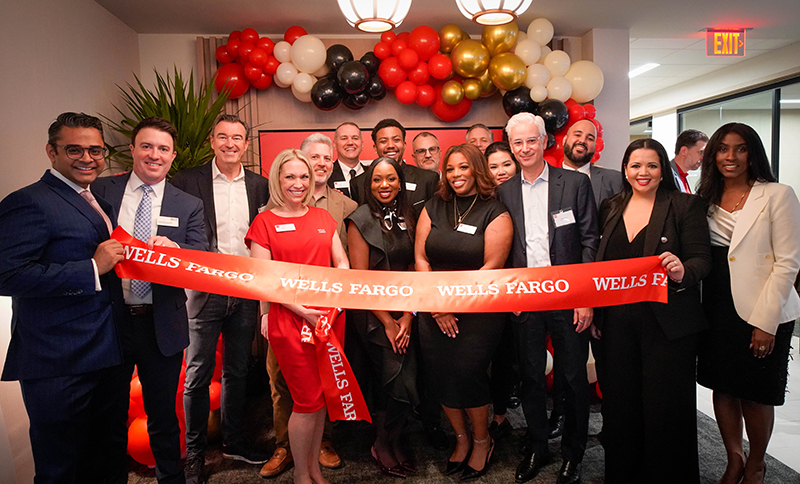
Manhattan, NY Wells Fargo celebrated the grand opening of its newest full-service branch at Broadway & 82nd located on the Upper West Side. The new branch is the latest in Wells Fargo’s expansion across New York; it is the fourth branch to open its doors since November.
The new branch features Wells Fargo’s new design that includes a multi-sensory environment with informative messaging displays, and a floorplan to create more space for conversation and consultation with customers. It also includes an employee training room, consisting of three training stations, located on the basement level; a critical addition to allow for a conducive training environment for an expansion market.
The opening of Broadway & 82nd aligns with Wells Fargo’s strategy to expand in New York, creating a more neighborhood-focused branch network and modernizing the banks retail footprint for both customers and employees. Wells Fargo opened its first branches in Queens and Brooklyn late last year; several more branches are slated to open across New York through 2025.
“We want to play our part in helping enrich the city,” said Wells Fargo CEO Charlie Scharf. “What that means is continuing to build locations and to be a part of the community.”
To mark the occasion, Wells Fargo awarded a $125,000 grant to the Manhattan Chamber of Commerce, a local nonprofit that serves more than 125,000 small businesses and 2.4 million employees across New York City. The grant is in support of the Chamber’s Storefront Improvement Program, the latest component of the Storefront Resurgence Project.
“We are excited to grow our branch network in New York,” said Saul Van Beurden, CEO of Consumer, Small & Business Banking for Wells Fargo. “Our Broadway & 82nd branch represents the next step in our strategy to expand in New York, creating a more neighborhood-focused branch network and modernizing our retail footprint for both customers and employees.”
Tags:
Brokerage
MORE FROM Brokerage
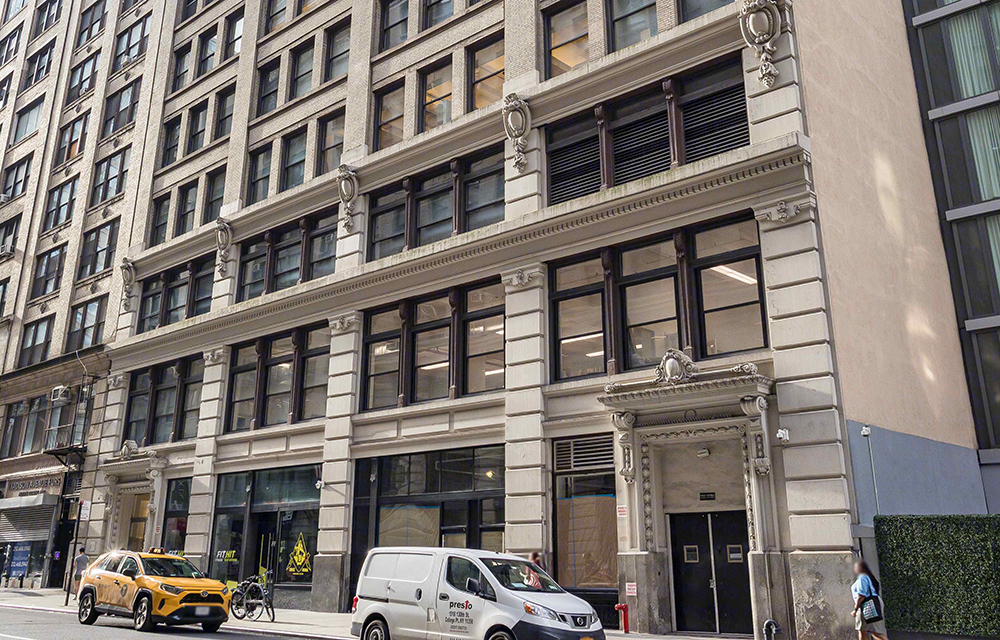
Koeppel Rosen inks 16-year 33,783 s/f lease for coworking firm Nomadworks at 122 West 27th St.
Manhattan, NY According to Koeppel Rosen LLC, leasing and management agent for the Rosen family portfolio, Nomadworks has signed a new 16-year, two-month lease totaling 33,783 s/f at 122 West




Quick Hits

Columns and Thought Leadership

The art of investing in real estate - by Thomas Donovan
Real estate investing is as much an art as it is a skill. No one can time the market, or the factors that drive it, perfectly. Location, zoning, size, transportation, and neighborhood density give you a baseline for

Hunt commercial real estate question and answer: Fortune 500 wisdom - by David Hunt
Yes, there are lessons to be learned from the largest companies in America when comes to managing your real estate. But the decision to buy or lease real estate may not be one of

Hunt CRE question and answer: Choosing a real estate agent - by David Hunt
First, we will only work with one agent exclusively. The primary reason is that we want that agent to legally represent our client’s interests. In New York State, a real estate agent has a fiduciary

New York’s streets are full again, and the retail numbers prove it - by Noam Aziz
Walk down any New York block this year and you can feel it. The sidewalks are crowded, the storefronts are lit, and the energy that defines this city is back at full volume.
.gif)