



News:
Brokerage
Posted: March 10, 2014
Wehner of Passero Associates named president of AIA Rochester
Passero Associates associate and senior project architect Peter Wehner, AIA, LEED AP BD+C has been named president of the American Institute of Architects Rochester Chapter for 2014. Wehner served as president-elect of the chapter in 2013. "Raising awareness of our organization and of our members as thought leaders in the community and as resources for all things architecture is my ultimate goal," said Wehner.
Wehner serves as senior project architect for Passero Associates. He is a seasoned veteran with over 26 years of architectural experience in various types of projects including real estate development, general construction, design-build, and new and renovation projects.
He holds a Masters of Architecture degree and a Bachelor of Arts degree in Design from Clemson University in South Carolina. Wehner lives in Irondequoit, where he serves as chairman of the planning board.
Tags:
Brokerage
MORE FROM Brokerage
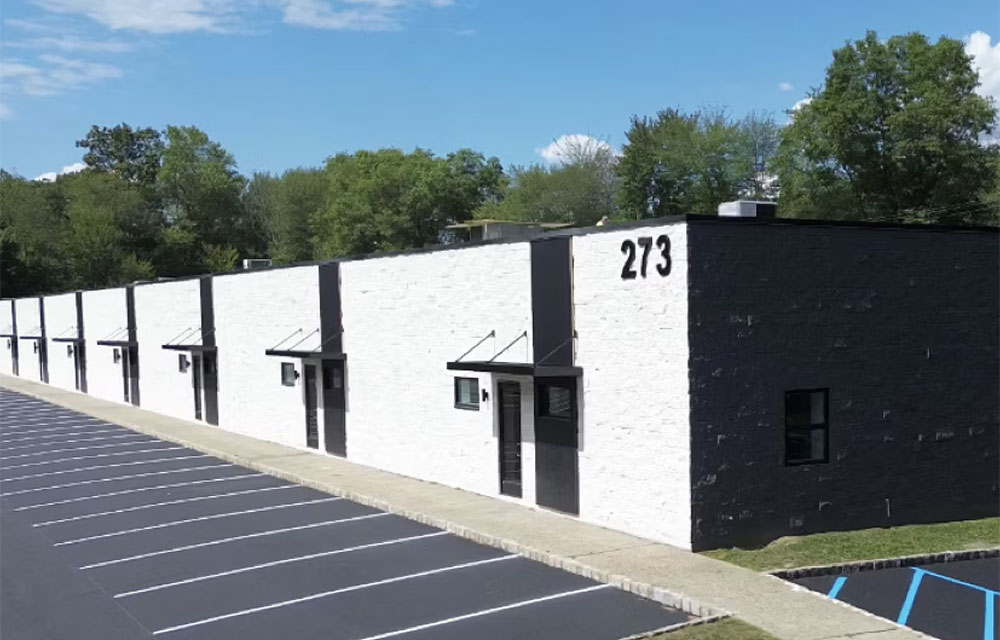
Resource Realty of Northern NJ delivers complete lease-up of 235 Franklin Rd. for Commerce Park Investors
Randolph, NJ Resource Realty of Northern New Jersey (RRNNJ) has completed the lease-up of a 10-unit small-bay industrial property at 273 Franklin Rd., marking the culmination of an investment strategy that began




 (2).gif)

Columns and Thought Leadership

New York’s streets are full again, and the retail numbers prove it - by Noam Aziz
Walk down any New York block this year and you can feel it. The sidewalks are crowded, the storefronts are lit, and the energy that defines this city is back at full volume.

A guide to finding the right NYC property management company - by Sanjay Gandhi
Being a small to midsize landlord in NYC is an increasingly demanding endeavor. From navigating complex regulations, increased compliance demands to dealing with tenant issues and remediating violations. It is wise to enlist the assistance of a partner, a professional

Hunt commercial real estate question and answer: Fortune 500 wisdom - by David Hunt
Yes, there are lessons to be learned from the largest companies in America when comes to managing your real estate. But the decision to buy or lease real estate may not be one of

Positive forecast for New York’s pro-housing push? - by Philip Butler
New York’s housing crisis remains a hot button topic despite growing consensus that varied and affordable housing is desperately needed statewide. Governor Hochul has recently introduced several initiatives to overcome N.Y.’s anti-housing
.gif)