



News:
Brokerage
Posted: October 5, 2021
Walker & Dunlop arranges $57 million sale for 70,500 s/f industrial building in Queens
Queens, NY Walker & Dunlop, Inc. served as exclusive advisor in the $57.25 million sale of a 70,500 s/f, specialty industrial building. The facility and 2.9-acre parcel are situated in the Maspeth neighborhood, a sought-after location for last-mile distribution centers serving the New York market that provides exceptional ease of access to industrial tenants as well as national retailers.
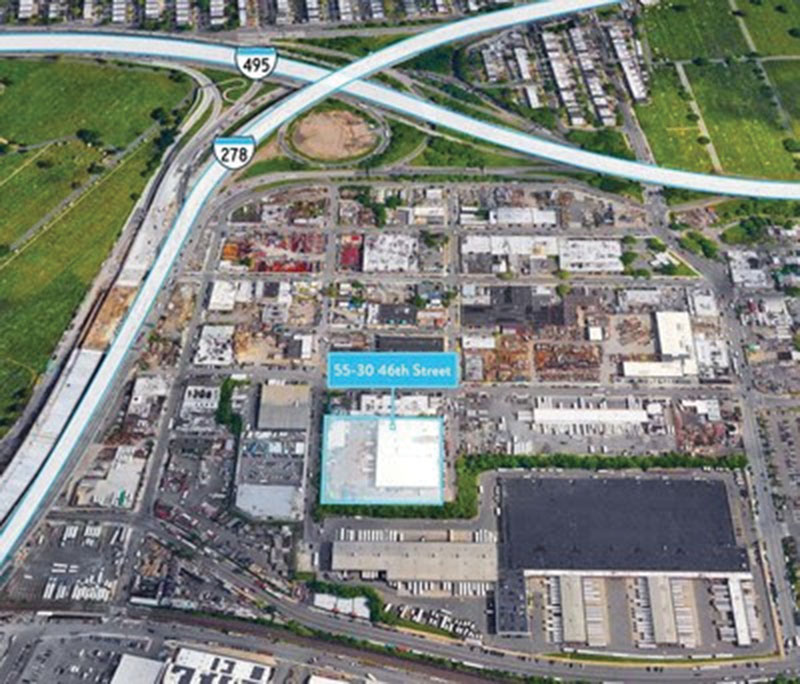 The transaction represents the emerging trend of industrial parks being developed within high-barrier-to-entry urban infill locations. The need for such localized distribution facilities to serve as last-mile distribution centers has increased significantly, thanks to increased demand for e-commerce and shortened delivery windows.
Walker & Dunlop’s Mo Beler, led the transaction alongside Aaron Appel, Keith Kurland, Jonathan Schwartz, Adam Schwartz, Michael Diaz, and Taylor Geiger. The team worked with the owner, Gary Korn, of Wharton Equity Partners, to market the property and facilitate the disposition to EverWest Real Estate Investors, a Colorado-based investment fund. Throughout the sale process, Walker & Dunlop worked through complex transaction details, including managing tenant holdovers, collaborating with a variety of consultants, contractors, and third-party experts, as well as arranging a consolidated team of experts for the transaction.
Korn said, “Wharton has worked with Walker & Dunlop’s New York City Capital Markets team for some time, and we were thrilled with both the depth of their industrial expertise and the creativity they brought to this complicated transaction.”
The team helped us to unlock and realize the value of this unique asset and provided us with seamless execution every step of the way.”
Beler said, “We put our deep experience of raising equity in the industrial sector to work for our valued client, Mr. Korn. From the initial engagement, we made sure that we understood both the seller’s and buyers’ needs, resulting in a transaction that benefited all parties.”
Tags:
Brokerage
MORE FROM Brokerage

The Brooklyn way…Harlem Shake to open new Williamsburg franchise location at 153 Grand St.
Brooklyn, NY Harlem Shake welcomes its first local franchisee, Cody Spearman to Williamsburg. Harlem Shake has secured a new home for its planned franchise restaurant at 153 Grand St. (Bedford Ave. and Berry St.)



Quick Hits

Columns and Thought Leadership

Positive forecast for New York’s pro-housing push? - by Philip Butler
New York’s housing crisis remains a hot button topic despite growing consensus that varied and affordable housing is desperately needed statewide. Governor Hochul has recently introduced several initiatives to overcome N.Y.’s anti-housing

New York’s streets are full again, and the retail numbers prove it - by Noam Aziz
Walk down any New York block this year and you can feel it. The sidewalks are crowded, the storefronts are lit, and the energy that defines this city is back at full volume.

Hunt commercial real estate question and answer: Fortune 500 wisdom - by David Hunt
Yes, there are lessons to be learned from the largest companies in America when comes to managing your real estate. But the decision to buy or lease real estate may not be one of

A guide to finding the right NYC property management company - by Sanjay Gandhi
Being a small to midsize landlord in NYC is an increasingly demanding endeavor. From navigating complex regulations, increased compliance demands to dealing with tenant issues and remediating violations. It is wise to enlist the assistance of a partner, a professional
.gif)