



News:
Brokerage
Posted: November 24, 2014
Treetop Development purchases three New York City apartment portfolios
Treetop Development, LLC has acquired three separate apartment portfolios above 139th St. which will add nearly 200 rental homes to its New York City holdings.
The deals are the latest in a flurry of activity during the second and third quarters of 2014 which has seen the Teaneck, N.J.-based multi-faceted real estate concern shift its focus further north to New York City neighborhoods such as Hamilton Heights, Washington Heights and Inwood, according to Adam Mermelstein, a principal of Treetop Development. The most recent acquisitions include:
* The $17.5 million purchase of the Audubon Columbia portfolio consisting of five mixed-use buildings totaling 112 apartments and four ground floor retail spaces at 27-29 Audubon Ave., 79 Audubon Ave., 516 West 169th St. and 507 West 170th St. Peter Vanderpool of Cignature Realty served as broker for the transactions.
* The purchase of a six-story elevator building totaling 35 rental homes at 565 West 139th St. for $7.5 million. Peter Vanderpool of Cignature Realty served as broker for the transactions.
* The $7.25 million purchase of two rental buildings in Inwood consisting of 50 total apartments at 25-27 Vermilyea St. and 9-11 Vermilyea St. Aaron Jungreis of Rosewood Realty served as broker in the transaction.
The transactions signify the next phase in Treetop Development's overall plan to significantly expand its footprint in New York City. The company has added more than 900 rental units in Manhattan and Queens to its portfolio in the past year.
"Two years ago we began an aggressive campaign to purchase multi-family buildings in Upper Harlem, Washington Heights and Inwood and have watched as the neighborhoods have transformed and the market has grown into one of New York City's most actively traded with local and national real estate investors increasingly looking to establish a presence here," said Mermelstein. "While this competition has lessened the number of value-added purchasing opportunities in these neighborhoods, it's also enabled us to sell our existing assets at favorable profit margins and turn our attention north to up-and-coming areas where there are more deals at better pricing. Identifying and purchasing quality residential buildings such as these three portfolios will allow us to help facilitate the same neighborhood rebranding we've been involved in from 100th to 125th St."
Treetop Development's recipe for success in Harlem and northern Manhattan has been acquiring value-added properties, completing important renovations and reintroducing the homes at market-rate rents affordable to New York City's middle-class who are increasingly being squeezed out of apartment options due to escalating rents. It's a formula the company will duplicate at the newly acquired assets.
"Our goal is to assemble enough critical inventory north of 125th Street to provide affordable living environments for working families, students and young professionals," said Azi Mandel, another Treetop principal. "Now that we've acquired these properties, we will execute extensive capital improvements to create modern buildings and homes that will draw middle-class residents north and lure the new retail establishments needed for urban renewal."
Treetop Development expects to purchase several addition properties in these neighborhoods in the immediate months ahead. The company's aggressive push north has been facilitated by the sale of nearly 300 units in 18 buildings throughout northern Manhattan and Upper Harlem since May 2014 which has provide capital and resources to pursue new investment opportunities.
"We've solidified our place as a leading property owner in uptown neighborhoods and are aggressively looking to buy even more assets in these locations," Mandel said.
Tags:
Brokerage
MORE FROM Brokerage
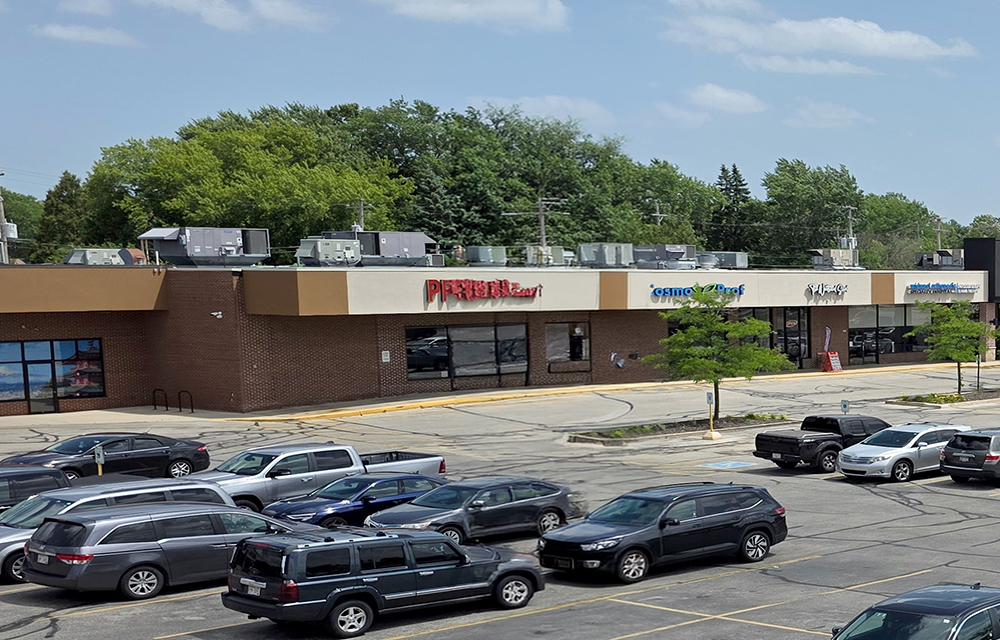
United Properties Corp. expands Wisconsin and Illinois retail presence adding 200,000 s/f
West Allis, WI United Properties Corp. completed two retail acquisitions totaling $27.4 million across Illinois and Wisconsin, adding 205,000 s/f of shopping center space to its portfolio


Quick Hits

Columns and Thought Leadership

A guide to finding the right NYC property management company - by Sanjay Gandhi
Being a small to midsize landlord in NYC is an increasingly demanding endeavor. From navigating complex regulations, increased compliance demands to dealing with tenant issues and remediating violations. It is wise to enlist the assistance of a partner, a professional

Positive forecast for New York’s pro-housing push? - by Philip Butler
New York’s housing crisis remains a hot button topic despite growing consensus that varied and affordable housing is desperately needed statewide. Governor Hochul has recently introduced several initiatives to overcome N.Y.’s anti-housing

New York’s streets are full again, and the retail numbers prove it - by Noam Aziz
Walk down any New York block this year and you can feel it. The sidewalks are crowded, the storefronts are lit, and the energy that defines this city is back at full volume.

Hunt commercial real estate question and answer: Fortune 500 wisdom - by David Hunt
Yes, there are lessons to be learned from the largest companies in America when comes to managing your real estate. But the decision to buy or lease real estate may not be one of
.gif)