



News:
Brokerage
Posted: July 29, 2013
Today's hot condo market - If you build - I will buy
A recent New York Attorney General memorandum has shed some light on the gray area of selling New York condominium units by admitting the potential buyer into the sponsor's entity as an investor well before the required condominium offering plan is accepted for filing by the AG. The typical scenario involves a wealthy investor who likes a building site in a hot area and calls the sponsor offering to invest in the deal in order to get a penthouse condo apartment at an agreed price, presumably a price much lower than the market price would be when the building is completed.
While the recent AG memo has a lot of caveats, it can now be said that the arrangement is possible but the safe harbor offered by the memo specifically requires that "the offerees may without penalty or additional expense choose not to acquire the condominium unit." What would be considered a penalty for not buying the unit? Certainly the sponsor could not cause a down payment to be forfeited. Many questions remain, however, and the legal and practical considerations may make the use of this structure rare indeed. For example, how do you agree on a price when the investor may not have final floor plans, finishes, closing date, etc.? Should an investor insist on a closed construction loan for the project before investing?
In addition, the risk that the project will not be completed and the investment lost will cause many investors to view the transaction as too fraught. But there may be a business opportunity for a creative sponsor who is willing to deal with the possible entanglements. That sponsor will also need to deal with the separate laws governing the sale of securities if offered as part of a "public offering," the exact meaning of which is the subject of seven decades of litigation. Public offerings must also be vetted under one of the exemptions available under the federal securities laws such as Reg D. Curiously, the recent change in the Reg D general solicitation rules to permit advertising called for by one of the crowdfunding provisions of the JOBS Act might be used by sponsors to obtain investors. Could the day come when a sponsor will advertise for investors for the condo project promising the right to buy a choice unit at a discount?
It's hard to overstate the legal and practical complications of taking an investor into the sponsor entity with a right by the investor to buy a condo unit when its constructed. I have done a few of these over the years and here are some considerations:
1. Will the construction lender permit the sale at the low price while the loan is still outstanding?
2. Will the low price of record chill the prices the public will pay once the plan is accepted for filing by the AG?
3. What will the investor ask for in the LLC agreement in terms of time frames, construction details, voting rights, etc.?
4. What happens if the investor does not buy? No construction lender will permit a cash out distribution to the investor so the investor may have to ride along with the project until the lender is paid off.
5. What if the construction details given to the buyer have to change due to field conditions or permitting issues?
6. What if the project's value skyrockets due to market conditions? Will the investor purposely elect not to buy the unit to participate in the profits of the offering? Will a punitive buy/sell agreement or a cap on the investment returns in that case constitute a "penalty or additional expense"?
In today's hot condo market, creative sponsors and buyers may try to tackle these issues but all parties should make sure they have competent real estate, LLC and securities counsel and be ready for a trip on the cutting edge.
Tom Kearns is a partner at Olshan Frome Wolosky, New York, NY.
Tags:
Brokerage
MORE FROM Brokerage
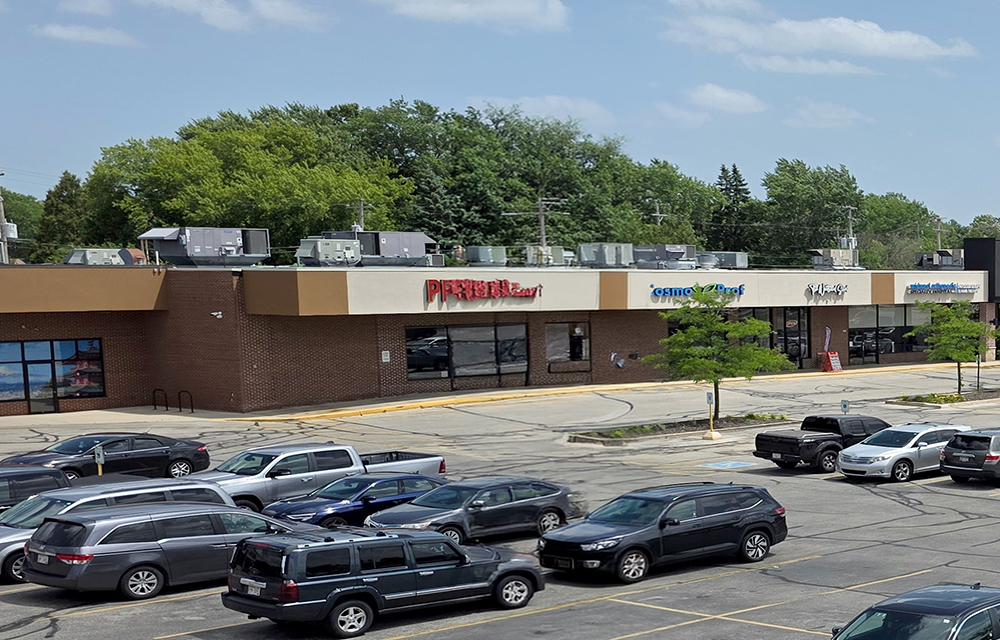
United Properties Corp. expands Wisconsin and Illinois retail presence adding 200,000 s/f
West Allis, WI United Properties Corp. completed two retail acquisitions totaling $27.4 million across Illinois and Wisconsin, adding 205,000 s/f of shopping center space to its portfolio





Quick Hits
 (2).gif)

Columns and Thought Leadership

Positive forecast for New York’s pro-housing push? - by Philip Butler
New York’s housing crisis remains a hot button topic despite growing consensus that varied and affordable housing is desperately needed statewide. Governor Hochul has recently introduced several initiatives to overcome N.Y.’s anti-housing

Hunt commercial real estate question and answer: Fortune 500 wisdom - by David Hunt
Yes, there are lessons to be learned from the largest companies in America when comes to managing your real estate. But the decision to buy or lease real estate may not be one of

New York’s streets are full again, and the retail numbers prove it - by Noam Aziz
Walk down any New York block this year and you can feel it. The sidewalks are crowded, the storefronts are lit, and the energy that defines this city is back at full volume.

A guide to finding the right NYC property management company - by Sanjay Gandhi
Being a small to midsize landlord in NYC is an increasingly demanding endeavor. From navigating complex regulations, increased compliance demands to dealing with tenant issues and remediating violations. It is wise to enlist the assistance of a partner, a professional
.gif)