



News:
Brokerage
Posted: May 18, 2021
Times Sq. Alliance celebrates openings, re-openings
New York, NY The Times Square Alliance reports that 175 businesses have recently reopened, in addition to 18 new brick-and-mortar businesses – many of which are restaurants, bars and fast-casual eateries – that opened during the pandemic.
“We are thrilled to see our local businesses continue to reopen, along with new businesses launching in our district,” said Tom Harris, acting president and COO of the Times Square Alliance. “When we were at the peak of the pandemic, our pedestrian traffic in Times Square was at a record low at 33,000 people per day. However, with the ongoing vaccination rollout, easing capacity restrictions and warm weather arriving after a year of living with the pandemic, we continue to see our vibrant district come back to life with approximately 138,000 pedestrians per day, which is the highest count since the start of COVID-19. We look forward to continuing to welcome back New Yorkers and visitors to Times Square, the center of New York City’s energy and vibrance.”
New and reopened businesses in Times Sq. includes:
- 16 Handles (732 7th Ave.) – Opened during the pandemic in April 2021 by Neil Hershman, who owns four other franchise locations throughout Manhattan including Chelsea, Tribeca, East Village and Murray Hill.
- COOK Eatery (115 West 45th St.) – Opened during the pandemic in October 2020, as an American eatery with sandwiches, smoothies, coffee and more.
- Don’t Tell Mama (343 West 46th St.) – Celebrating almost 40 years in business, the legendary live entertainment destination on Restaurant Row is now welcoming back guests.
- Ichiran (152 West 49th St.) – Known for their popular tonkotsu ramen, Ichiran reopened this year.
- Jasmine’s Caribbean Cuisine (371 West 46th St.) – Opened during the pandemic in 2020 on Restaurant Row, Jasmine’s Caribbean Cuisine is a Black-owned business, serving a menu that is inspired by the cuisine of Dominica, Antigua, St. Thomas, Trinidad and Jamaica, with recipes that have been handed down for generations within their family.
- Krispy Kreme (1601 Broadway) – Opened during the pandemic in September 2020, this first-of-its-kind 4,500 s/f shop now serves fresh doughnuts 24/7.
- Prime Catch 46 (140 West 46th St.) – Opened during the pandemic in 2020 as a new steakhouse and seafood restaurant.
- Red Poke (600 9th Ave. & 885 8th Ave.) – Reopened as a fast-casual Korean eatery that offers daily prepared grain, noodle, or salad bowls.
- Silky Kitchen (138 West 46th St.) – Opened during the pandemic in October 2020 as a new fast casual eatery, serving authentic Hunan-style dishes such as soup noodles and dumplings.
- The Mean Fiddler (266 West 47th St.) – The popular Irish pub in Times Sq. reopened this year and has welcomed the likes of Bono, Jimmy Fallon, and Liam Gallagher over the years.
- Tony’s DiNapoli (147 West 43rd St.) – Serving some of the best New York Italian favorites since 1959, this institution reopened at the Casablanca Hotel and has been safely welcoming back guests.
- XOXO NYC Bar (336 West 46th St.) – Opened during the pandemic in March 2020.
- Zaman Mediterranean (681 Eighth Ave.) – Opened during the pandemic in November 2020, this fast-casual eatery serves fresh, homemade Mediterranean cuisine with fan favorites like falafel, kebabs, and shawarma.
In addition, major hotels including OYO Hotel Times Square, RIU Plaza New York Times Square, Westin New York at Times Square, W New York Times Square and Time Hotel have reopened, along with attractions and retail including Ripley’s Believe It Or Not! Times Square, H&M, Forever 21 and many others.
While Times Sq. is only 0.1% of the city’s land mass, it generates 7% of the city’s jobs and 15% of the total economic input ($58 billion in direct economic output and $47 billion in indirect economic output), contributing $2.5 billion in NYC taxes and $2.3 billion in NYS taxes annually.
The Times Square Alliance will be welcoming new visitors to the district with a full calendar of programing including major marquee events like Taste of Times Square and Solstice in Times Sq.: Mind Over Madness Yoga, albeit slightly re-imagined.
Tags:
Brokerage
MORE FROM Brokerage
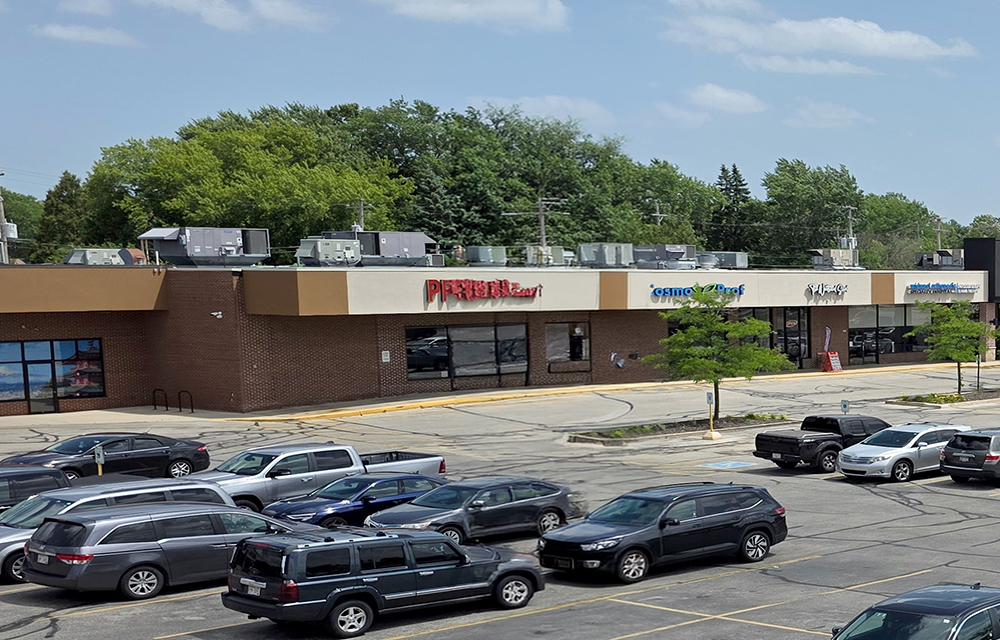
United Properties Corp. expands Wisconsin and Illinois retail presence adding 200,000 s/f
West Allis, WI United Properties Corp. completed two retail acquisitions totaling $27.4 million across Illinois and Wisconsin, adding 205,000 s/f of shopping center space to its portfolio


 (2).gif)

Columns and Thought Leadership

A guide to finding the right NYC property management company - by Sanjay Gandhi
Being a small to midsize landlord in NYC is an increasingly demanding endeavor. From navigating complex regulations, increased compliance demands to dealing with tenant issues and remediating violations. It is wise to enlist the assistance of a partner, a professional

Positive forecast for New York’s pro-housing push? - by Philip Butler
New York’s housing crisis remains a hot button topic despite growing consensus that varied and affordable housing is desperately needed statewide. Governor Hochul has recently introduced several initiatives to overcome N.Y.’s anti-housing

Hunt commercial real estate question and answer: Fortune 500 wisdom - by David Hunt
Yes, there are lessons to be learned from the largest companies in America when comes to managing your real estate. But the decision to buy or lease real estate may not be one of

New York’s streets are full again, and the retail numbers prove it - by Noam Aziz
Walk down any New York block this year and you can feel it. The sidewalks are crowded, the storefronts are lit, and the energy that defines this city is back at full volume.
.gif)