



News:
Brokerage
Posted: December 27, 2012
The Richman Group closes $186.5 million fund
The Richman Group Affordable Housing Corp., one of the nation's leading sponsors of equity funds for affordable housing, has closed a $186.5 million fund, U.S.A. Institutional Tax Credit Fund LXXXVIII L.P. Fund 88 will include a diversified portfolio of properties located in 16 states. Ten banking institutions contributed the $186.5 million in equity for the fund.
According to Stephen Daley, executive vice president of Richman, "Fund 88, along with several proprietary fund executions, puts Richman on track in 2012 to close almost $1 billion in equity investments in affordable multifamily, senior and special needs properties throughout the U.S."
"The nation's leading institutional investors consistently participate in Richman funds because of the company's lengthy experience in the affordable housing industry, its conservative underwriting and track record of delivering results to our investors," he said.
Richman is the tenth largest owner of affordable and market rate rental property in the U.S. The properties acquired by Fund 88 will provide high-quality affordable housing for family and senior tenants and will add 1,683 units to Richman's portfolio which exceeds 115,000 units.
In addition to being the nation's pre-eminent sponsor of affordable housing tax credit funds, Richman is also a leading developer of affordable, market-rate and luxury rental housing, an asset and property manager and, more recently, a mortgage lender. Richman and its affiliates have developed more than 18,000 residential units, provide asset management services to nearly 100 public, private and institutional investment funds which own approximately 115,000 housing units, and have capital under management approaching $10 billion. In addition to already being a FHA mortgage lender, Richman recently received approval to be an FHA MAP mortgage lender.
Tags:
Brokerage
MORE FROM Brokerage
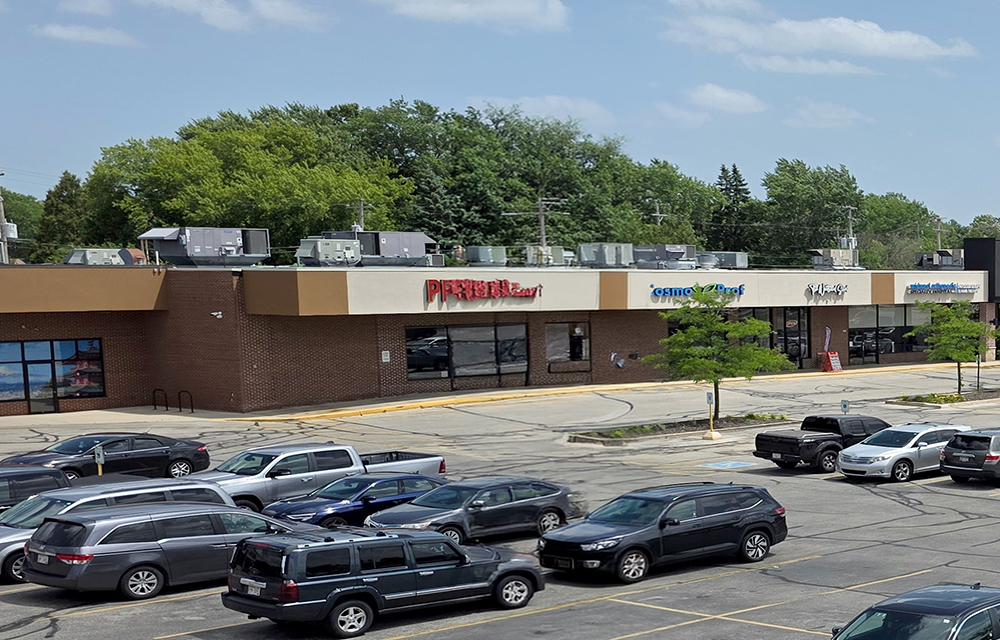
United Properties Corp. expands Wisconsin and Illinois retail presence adding 200,000 s/f
West Allis, WI United Properties Corp. completed two retail acquisitions totaling $27.4 million across Illinois and Wisconsin, adding 205,000 s/f of shopping center space to its portfolio


Quick Hits
 (2).gif)

Columns and Thought Leadership

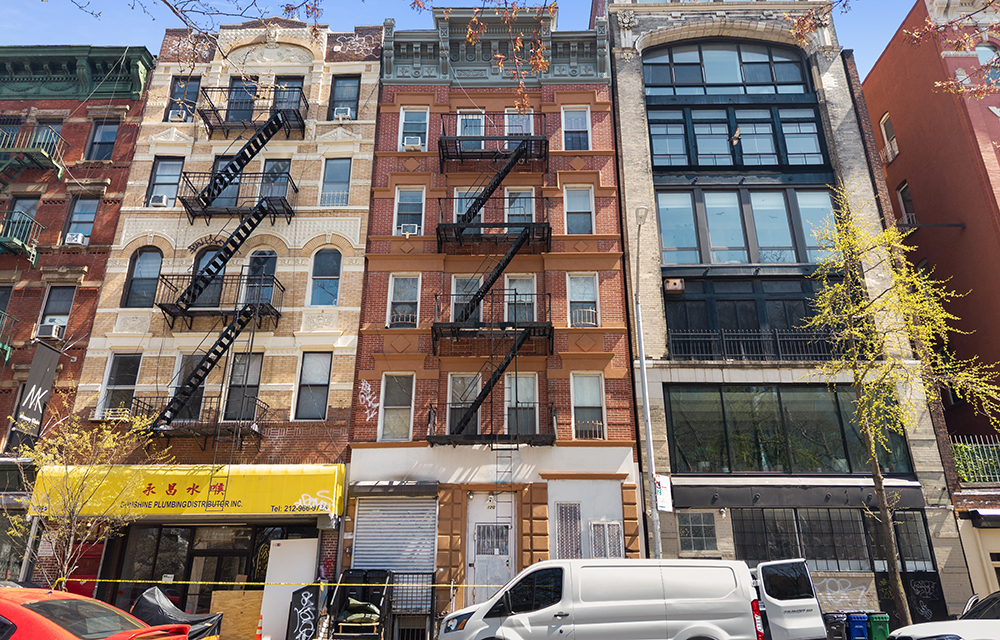
A guide to finding the right NYC property management company - by Sanjay Gandhi
Being a small to midsize landlord in NYC is an increasingly demanding endeavor. From navigating complex regulations, increased compliance demands to dealing with tenant issues and remediating violations. It is wise to enlist the assistance of a partner, a professional

Hunt commercial real estate question and answer: Fortune 500 wisdom - by David Hunt
Yes, there are lessons to be learned from the largest companies in America when comes to managing your real estate. But the decision to buy or lease real estate may not be one of

New York’s streets are full again, and the retail numbers prove it - by Noam Aziz
Walk down any New York block this year and you can feel it. The sidewalks are crowded, the storefronts are lit, and the energy that defines this city is back at full volume.

Positive forecast for New York’s pro-housing push? - by Philip Butler
New York’s housing crisis remains a hot button topic despite growing consensus that varied and affordable housing is desperately needed statewide. Governor Hochul has recently introduced several initiatives to overcome N.Y.’s anti-housing
.gif)