



News:
Brokerage
Posted: October 4, 2016
The future is bright for the Gowanus neighborhood by Justin Fitzsimmons
 Justin Fitzsimmons, GFI
While the general public may simply look at Gowanus as a nondescript section of Brooklyn that connects Park Slope with Cobble Hill/ Carroll Gardens, others see much more for the future of this “waterfront” enclave.
Of note, a variety of industrial properties in Gowanus, many along the 3rd Ave. corridor, have recently been transformed into hotels and retail properties, largely a result of restrictive zoning. There is no guarantee where real estate prices will go as the neighborhood sees an influx of product, but Gowanus – the focus of GFI Realty’s next research report to be released October 2016 – is certainly getting similar attention, development-wise, similar to a number of Brooklyn neighborhoods on the cusp of change.
But the elephant in the room, which may temper the area’s growth, is the issue of rezoning. Unlike its eastern neighbor, 4th Ave., Gowanus’ 3rd Ave. was left out of the substantial residential rezoning the neighborhood received in 2003. Besides 365 Bond, The Lightstone Group’s massive, 700-unit rental project that’s rising alongside the canal and already welcoming tenants, we’ve yet to see a comparable project rise on 3rd Ave. or the side streets to the west. The issue of zoning has stood in the way of residential revitalization.
This fall, the Department of City Planning will be studying the area before making a formal decision on whether or not to rezone parts of Gowanus and encourage residential development. Many speculate that City Hall intends to push for the rezoning of the area to promote more growth. And developers, who are sitting on property in the neighborhood, are waiting for what some call the inevitable. However, only time will tell what the future holds for Gowanus.
Justin Fitzsimmons is a research analyst at GFI Realty, New York, N.Y.
Tags:
Brokerage
MORE FROM Brokerage
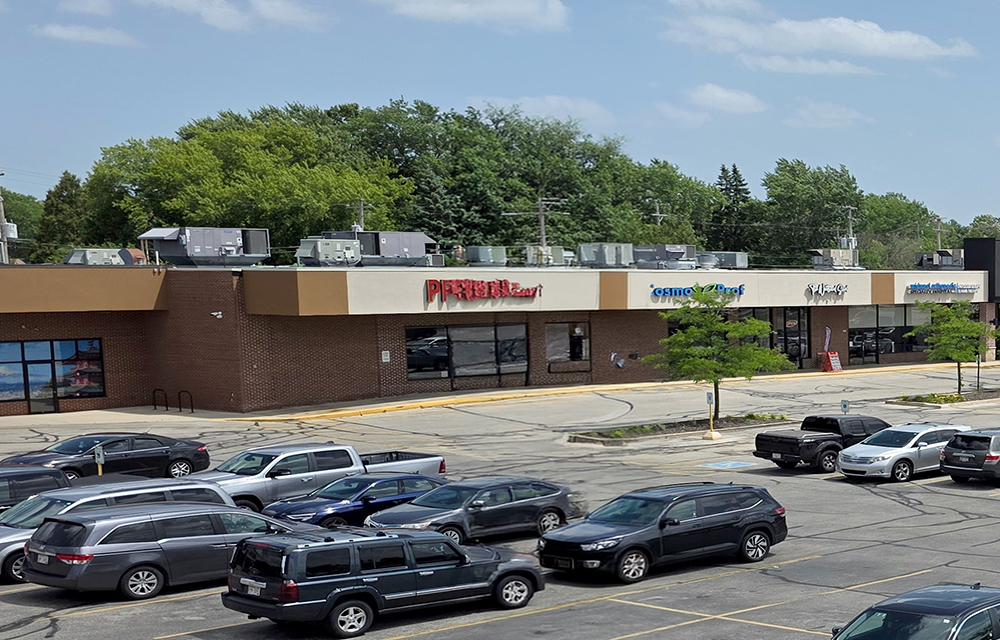
United Properties Corp. expands Wisconsin and Illinois retail presence adding 200,000 s/f
West Allis, WI United Properties Corp. completed two retail acquisitions totaling $27.4 million across Illinois and Wisconsin, adding 205,000 s/f of shopping center space to its portfolio


Quick Hits

Columns and Thought Leadership

Hunt commercial real estate question and answer: Fortune 500 wisdom - by David Hunt
Yes, there are lessons to be learned from the largest companies in America when comes to managing your real estate. But the decision to buy or lease real estate may not be one of

Positive forecast for New York’s pro-housing push? - by Philip Butler
New York’s housing crisis remains a hot button topic despite growing consensus that varied and affordable housing is desperately needed statewide. Governor Hochul has recently introduced several initiatives to overcome N.Y.’s anti-housing

New York’s streets are full again, and the retail numbers prove it - by Noam Aziz
Walk down any New York block this year and you can feel it. The sidewalks are crowded, the storefronts are lit, and the energy that defines this city is back at full volume.

A guide to finding the right NYC property management company - by Sanjay Gandhi
Being a small to midsize landlord in NYC is an increasingly demanding endeavor. From navigating complex regulations, increased compliance demands to dealing with tenant issues and remediating violations. It is wise to enlist the assistance of a partner, a professional
.gif)