



News:
Brokerage
Posted: September 20, 2016
Technology in real estate and construction industries by Rick Kaplan
 Rick Kaplan, NYREJ
Remember the days of the pink message pads, the receptionist would write down your missed calls and leave them on your desk? Then we had beepers, followed by emails and now cell phones and tablets. We’ve come a long way, and you are now connected 24/7. Is this a good thing or bad?
We all use a cell phone or tablet and it has become a part of our everyday life. There have been some incredible apps or software to improve your personal and business lifestyle efficiency and entertainment (scheduling, communication worldwide, help you manage your daily exercise and calorie intake, never miss a phone call or email, etc.).
I have seen so many new products that have helped make the construction and real estate industry more effective. Now we see Artificial Intelligence being implemented into some of the platforms to manage sales, follow up and lead generation like Skyler 360 and comp sharing software like Compstak, just to name a couple of companies out there. Architects and construction companies are now using 3D printing for design and building, and BIM (Building Information Modeling) software.
With all of the new technology, will this mean fewer needed in the workforce? I think not. We now have new jobs and re-training of old jobs, it is exciting time for young people coming into the industry. The Generation X and Y, Millennials, growing up with new technology and how fast things change, can easily adapt to the future of technology in the industry.
What do you think of all of the changes technology will create, will it be good or bad?
Rick Kaplan is media director at the New York Real Estate Journal, Norwell, Mass
Tags:
Brokerage
MORE FROM Brokerage
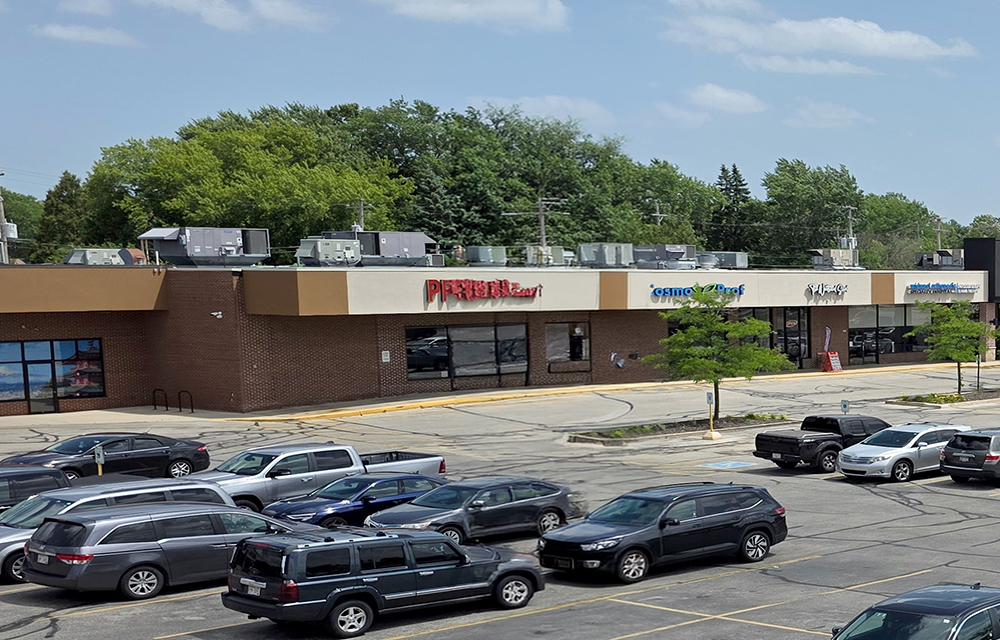
United Properties Corp. expands Wisconsin and Illinois retail presence adding 200,000 s/f
West Allis, WI United Properties Corp. completed two retail acquisitions totaling $27.4 million across Illinois and Wisconsin, adding 205,000 s/f of shopping center space to its portfolio







Columns and Thought Leadership

New York’s streets are full again, and the retail numbers prove it - by Noam Aziz
Walk down any New York block this year and you can feel it. The sidewalks are crowded, the storefronts are lit, and the energy that defines this city is back at full volume.

Positive forecast for New York’s pro-housing push? - by Philip Butler
New York’s housing crisis remains a hot button topic despite growing consensus that varied and affordable housing is desperately needed statewide. Governor Hochul has recently introduced several initiatives to overcome N.Y.’s anti-housing

A guide to finding the right NYC property management company - by Sanjay Gandhi
Being a small to midsize landlord in NYC is an increasingly demanding endeavor. From navigating complex regulations, increased compliance demands to dealing with tenant issues and remediating violations. It is wise to enlist the assistance of a partner, a professional

Hunt commercial real estate question and answer: Fortune 500 wisdom - by David Hunt
Yes, there are lessons to be learned from the largest companies in America when comes to managing your real estate. But the decision to buy or lease real estate may not be one of
.gif)