News: Brokerage

Sozio, Shkury, Tortorici, Gillis, and Michael of Ariel Property Advisors close $7.2 million sale; McCormick and Dzbanek of Ariel Capital Services lead team to negotiate $6.5 million refinance

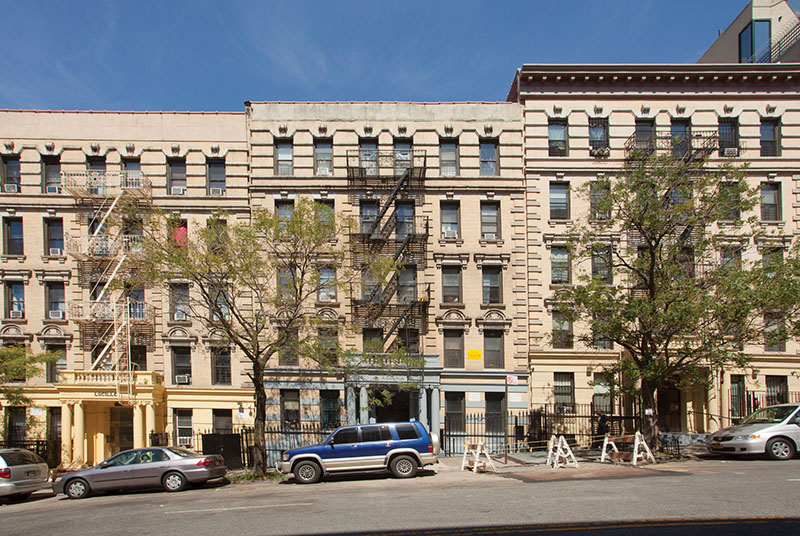
Manhattan, NY Ariel Property Advisors has facilitated the sale of 523 West 135th St., a multifamily building in the Hamilton Heights neighborhood. The five-story, 21-unit property sold for $7.2 million. This represents $525 per s/f and $343,000 per unit. 

The walk-up building, which spans 13,770 s/f, is located on the north side of West 135th St. between Amsterdam and Broadway. 

Victor Sozio,
Ariel Property Advisors

 

Shimon Shkury,
Ariel Property Advisors


Michael Tortorici,
Ariel Property Advisors


Matthew Gillis,
Ariel Property Advisors


Orry Michael,
Ariel Property Advisors


Exclusive agents Victor Sozio, Shimon Shkury, Michael Tortorici, Matthew Gillis, and Orry Michael represented the seller and procured the buyer. 

The property is near several attractions and institutions, including the City College of New York. In addition, Columbia University’s Manhattanville Campus expansion – which has drastically uplifted the local economy with an influx of new renters, retailers and community facilities – is a short walk from the building. The property is also situated just two blocks from the 1 subway train, providing access to Manhattan and outer-borough locations. 

Paul McCormick,
Ariel Property Advisors’ Capital Services Division


Matt Dzbanek,
Ariel Property Advisors’ Capital Services Division


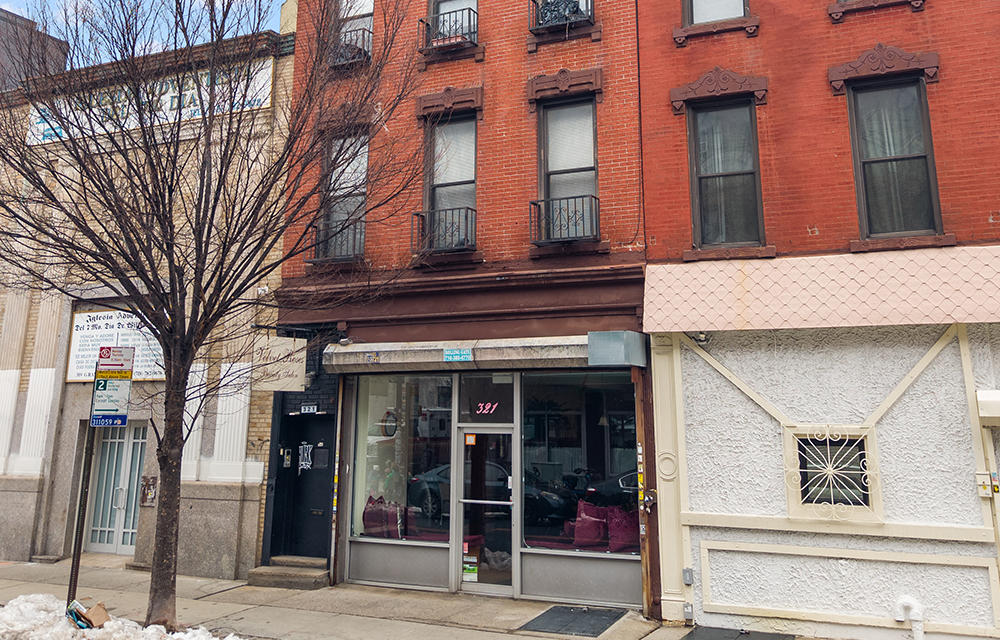
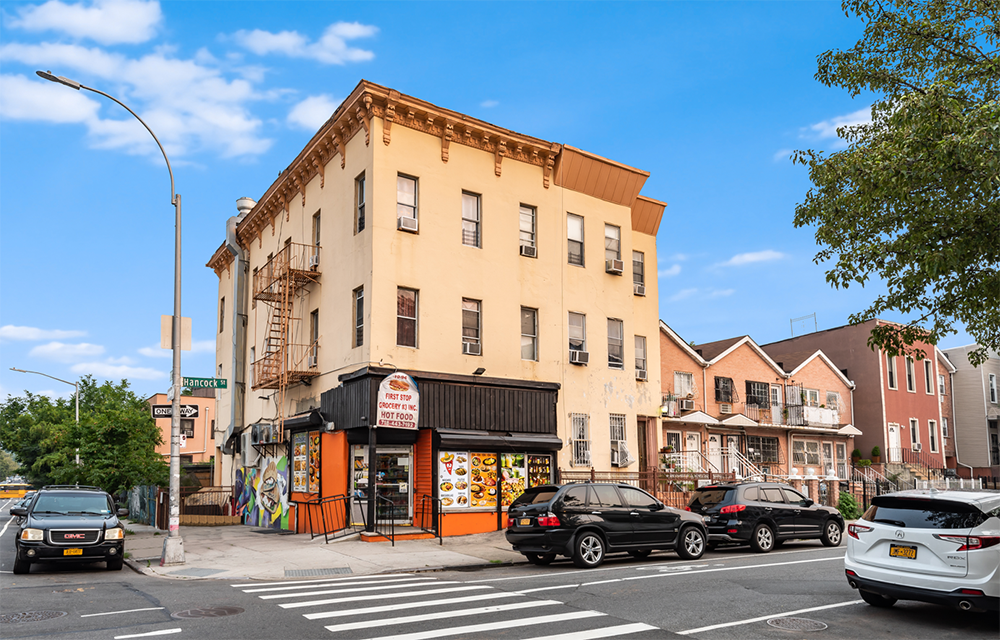
In a second transaction, Ariel Property Advisors’ Capital Services Division arranged a $6.5 million loan for four properties located in Brooklyn’s  Bedford-Stuyvesant neighborhood.  The division arranged a five-year, 75% loan-to-value (LTV) cash-out refinance loan at a fixed rate of 4%. This allowed the borrower to pay off four existing loans and get additional capital for future investments. Led by Ariel’s Paul McCormick, senior vice president of investment sales and capital services, and Matt Dzbanek, director of capital services, the non-recourse mortgage’s terms were negotiated to meet the needs of the client and their fund.

“In an environment where lenders are pulling back from lending on smaller loans, we were able to work with our relationships to not only get the most aggressive proceeds, but also the best structure for the client,” Dzbanek said. 

The Bed-Stuy building quartet includes 22 residential and 6 commercial units. Approximately 30% of the owner’s gross income comes from commercial leases and only 2 of the properties have more than 5 residential units.
READ ON THE GO
DIGITAL EDITIONS
Subscribe
Columns and Thought Leadership
Behind the post: Why reels, stories, and shorts work for CRE (and how to use them) - by Kimberly Zar Bloorian

Behind the post: Why reels, stories, and shorts work for CRE (and how to use them) - by Kimberly Zar Bloorian

Let’s be real: if you’re still only posting photos of properties, you’re missing out. Reels, Stories, and Shorts are where attention lives, and in commercial real estate, attention is currency.
AI comes to public relations, but be cautious, experts say - by Harry Zlokower

AI comes to public relations, but be cautious, experts say - by Harry Zlokower

Last month Bisnow scheduled the New York AI & Technology cocktail event on commercial real estate, moderated by Tal Kerret, president, Silverstein Properties, and including tech officers from Rudin Management, Silverstein Properties, structural engineering company Thornton Tomasetti and the founder of Overlay Capital Build,
Strategic pause - by Shallini Mehra and Chirag Doshi

Strategic pause - by Shallini Mehra and Chirag Doshi

Many investors are in a period of strategic pause as New York City’s mayoral race approaches. A major inflection point came with the Democratic primary victory of Zohran Mamdani, a staunch tenant advocate, with a progressive housing platform which supports rent freezes for rent
Lasting effects of eminent domain on commercial development - by Sebastian Jablonski

Lasting effects of eminent domain on commercial development - by Sebastian Jablonski

The state has the authority to seize all or part of privately owned commercial real estate for public use by the power of eminent domain. Although the state is constitutionally required to provide just compensation to the property owner, it frequently fails to account