



News:
Brokerage
Posted: May 19, 2008
Solid Reliable Assets
The real estate market is still strong in N.Y. As a broker who sells investment real estate I have seen lots of activity and lots of transactions, specifically in the multifamily market which will remain steady throughout the year.
Despite the increase in operational costs, investors continue to pay top dollar for multifamily buildings. Multifamily properties provide dependable income. Lenders see multifamily properties as solid investments, and are more likely to provide financing at a favorable rate. The Federal Reserve lowered the fed funds rate to 2%. In Sept., 2007 the fed funds rate was 5.25%. This was a monumental move to bail out the sub prime industry and convince banks to keep loaning money to spark growth in the economy. Credit has been harder to come by lately, but banks have been, and will continue to loan money on solid real estate assets like multifamily properties.
The increase in oil and fuel costs hit a lot of landlords hard. Many property owners paid almost double to heat their buildings this winter compared to last winter. Some landlords are seeing a decrease in their operational income but are noticing the market value of their buildings is staying steady or even increasing. Many are taking advantage of the opportunity sell and realize the value of their property to investors who have financing for these types of properties readily available.
Banks will continue to lend, and if the economy picks up, the commodities market will slow and oil will follow suit. The rent guidelines board will have to raise the year over year rent increases to keep up with the rising operational costs. These factors will add value to multifamily properties, thus solidifying their standing in the market as a steadfast investment during all states of the economy.
Bart Zimmermann is president of Barcel Group, New York, N.Y.
Tags:
Brokerage
MORE FROM Brokerage
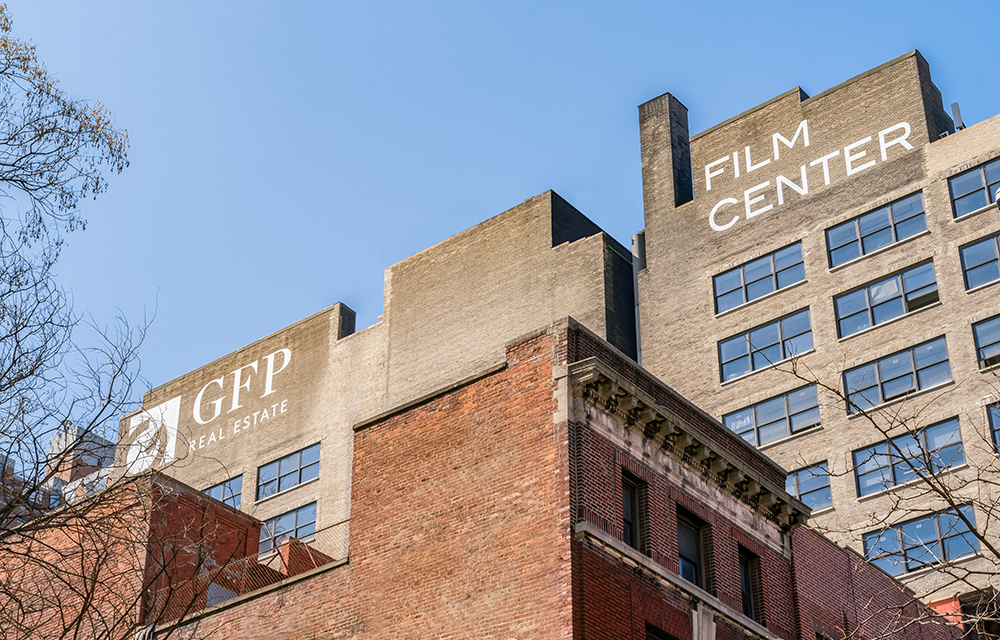
Chef Driven Hospitality and AI technology company Fuel Cycle complete leasing deals at GFP Real Estate’s 630 Ninth Ave.
New York, NY GFP Real Estate announced that it has completed two office leasing transactions totaling 6,715 s/f at 630 Ninth Ave., the historic Film Center Building in Manhattan’s Hell’s Kitchen neighborhood. The transactions include a lease extension with Napkin Office, Inc., the administrative office of restaurant operator Chef Driven Hospitality, and a new lease with Fuel Cycle, Inc.


Quick Hits

Columns and Thought Leadership

Hunt commercial real estate question and answer: Fortune 500 wisdom - by David Hunt
Yes, there are lessons to be learned from the largest companies in America when comes to managing your real estate. But the decision to buy or lease real estate may not be one of

A guide to finding the right NYC property management company - by Sanjay Gandhi
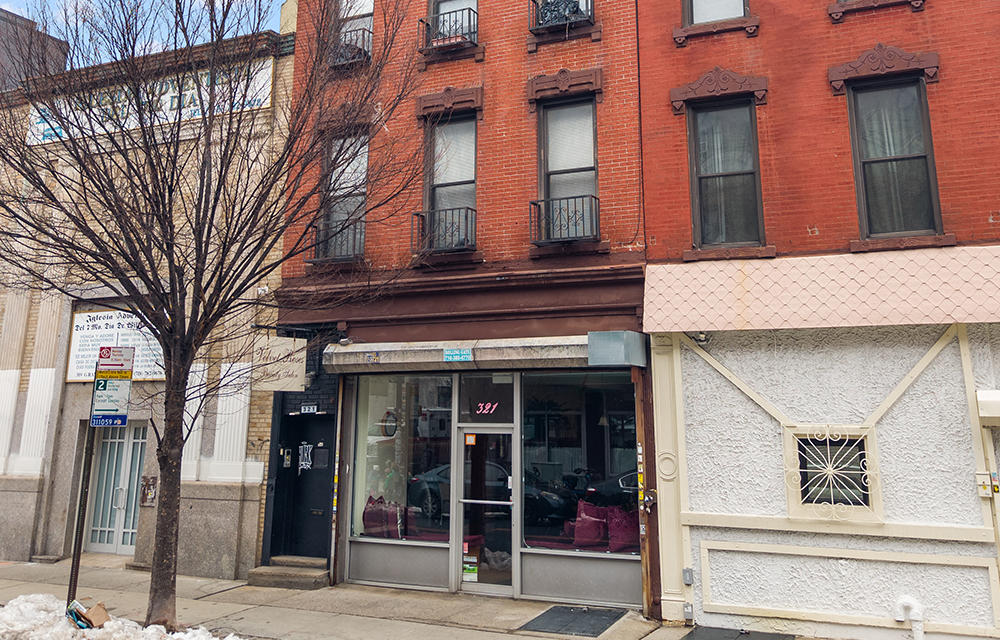
Being a small to midsize landlord in NYC is an increasingly demanding endeavor. From navigating complex regulations, increased compliance demands to dealing with tenant issues and remediating violations. It is wise to enlist the assistance of a partner, a professional

New York’s streets are full again, and the retail numbers prove it - by Noam Aziz
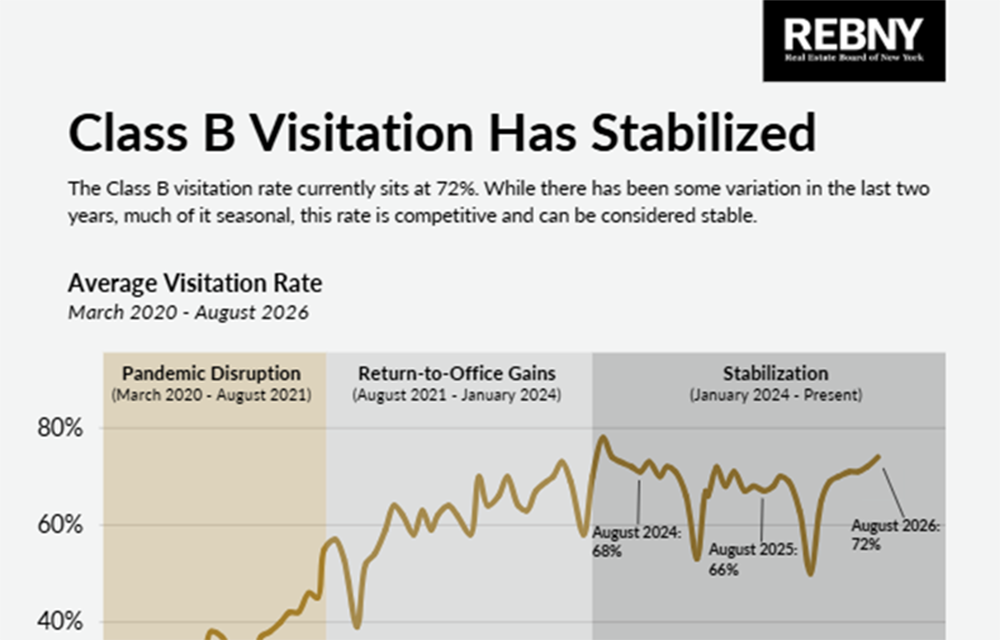
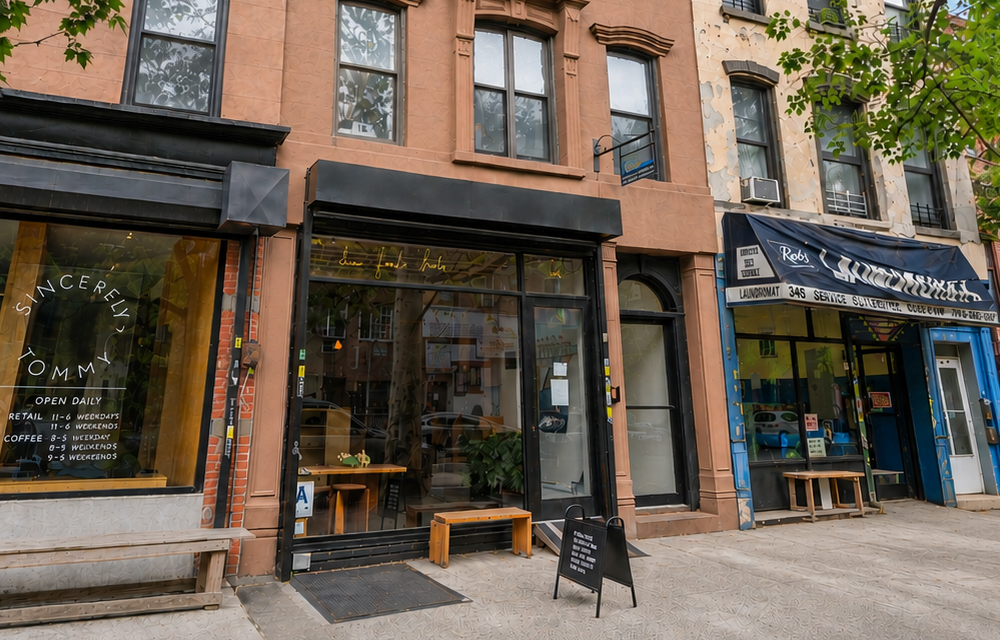
Walk down any New York block this year and you can feel it. The sidewalks are crowded, the storefronts are lit, and the energy that defines this city is back at full volume.

Hunt CRE question and answer: Choosing a real estate agent - by David Hunt
First, we will only work with one agent exclusively. The primary reason is that we want that agent to legally represent our client’s interests. In New York State, a real estate agent has a fiduciary
.gif)