



News:
Brokerage
Posted: March 21, 2011
Rochester businesses reduce energy costs by $4 million annually with NYSERDA
The New York State Energy Research and Development Authority (NYSERDA) announced today that 243 Rochester-area businesses are reducing energy costs by more than $4 million annually as a result of the energy efficiency upgrades and sustainable building projects supported by NYSERDA during 2010.
The energy savings-32 million kilowatt hours-is equivalent to the amount of electricity consumed by 4,600 single-family homes annually and will be realized by these companies every year for years to come.
"NYSERDA commends these leaders in the Rochester business community for their commitment to more environmentally sustainable business practices," said Francis J. Murray Jr., President and CEO of NYSERDA. "And we encourage other companies to apply for the incentives available in 2011 for energy efficiency improvements for existing buildings and new building projects."
Statewide, NYSERDA commercial and industrial incentives supported more than 2,800 projects during 2010, helping companies reduce operating costs by $40 million. NYSERDA is the one-stop shop for credible, accessible information on energy efficiency and, through partnerships like these with businesses across New York State, it plays an important economic development role, as it helps companies improve their bottom lines by reducing operating costs.
NYSERDA provided nearly $4 million in incentives to Rochester-area businesses to make energy efficiency projects more affordable, enhance competitiveness and cut costs for businesses. These incentives are available to every sector of the economy, including retail, manufacturing, hospitality, health care, agricultural, commercial and others.
Payback on the measures is approximately three to five years. Businesses that made performance-based upgrades are saving an average of $80,000 annually. Performance-based projects not only save energy but also improve productivity and lower equipment maintenance and operating costs.
Examples of Rochester-area businesses that have benefited from participating in NYSERDA programs in 2010 include:
* Top Quality Hay Processors, in Romulus, installed an energy-efficient hay drying system that improves its productivity and the quality of its product, and reduces energy. The project will help reduce annual energy costs by $287,000 and decrease electricity consumption by 1.3 million kilowatt hours and 150,000MMBTUs.
* Kodak's Eastman Business Park, in Rochester, reconfigured its compressed air piping system by adding storage tanks, demand flow controls and a new compressor head, increasing the overall efficiency of the system. The project will help reduce annual energy costs by more than $400,000 and decrease electricity consumption by more than 5 million kilowatt hours.
* UltraLife Inc., in Newark, upgraded its air compressor and storage units by replacing two air compressors and a refrigerated drying unit. The project will help reduce annual energy costs by $39,000 and decrease electricity consumption by nearly 500,000 kilowatt hours.
* Wegmans supermarkets in Rochester, East Rochester, Canandaigua, Webster, Geneva, Penfield, Ithaca, Corning and Newark installed energy-efficient lighting, HVAC units, motors, and variable frequency, among other energy efficiency measures. The projects will help reduce annual energy costs by up to $450,000 and decrease electricity consumption by up to 2.8 million kilowatt hours.
In existing facilities, NYSERDA incentives can be used for lighting retrofits, upgrades to motor systems, energy management systems, heating and cooling systems, and other operations, as well as for combined heat and power systems. Assistance also is available for energy audits to identify cost-effective opportunities to increase energy efficiency, develop greenhouse gas emission inventories and more.
For new construction, NYSERDA offers technical support to building design teams and financial incentives to building owners for using green building practices.
Tags:
Brokerage
MORE FROM Brokerage
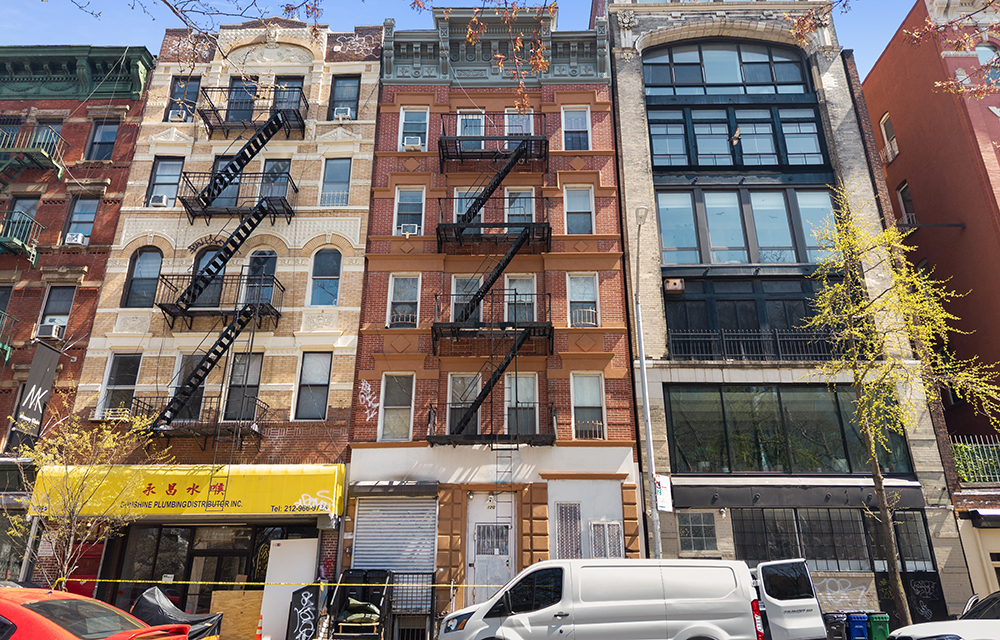
Investment Property Realty Group sells 120 Forsyth St. for $1.35 million
Manhattan, NY Investment Property Realty Group (IPRG) closed the sale of 120 Forsyth St., a mixed-use building located in the Lower East Side section of the city, for $1.35 million.



 (2).gif)

Columns and Thought Leadership

Positive forecast for New York’s pro-housing push? - by Philip Butler
New York’s housing crisis remains a hot button topic despite growing consensus that varied and affordable housing is desperately needed statewide. Governor Hochul has recently introduced several initiatives to overcome N.Y.’s anti-housing

Hunt commercial real estate question and answer: Fortune 500 wisdom - by David Hunt
Yes, there are lessons to be learned from the largest companies in America when comes to managing your real estate. But the decision to buy or lease real estate may not be one of

A guide to finding the right NYC property management company - by Sanjay Gandhi
Being a small to midsize landlord in NYC is an increasingly demanding endeavor. From navigating complex regulations, increased compliance demands to dealing with tenant issues and remediating violations. It is wise to enlist the assistance of a partner, a professional

New York’s streets are full again, and the retail numbers prove it - by Noam Aziz
Walk down any New York block this year and you can feel it. The sidewalks are crowded, the storefronts are lit, and the energy that defines this city is back at full volume.
.gif)