



News:
Brokerage
Posted: October 20, 2014
Real Estate Coaching: Part 1: Selecting the real estate business model that's right for you
As a new real estate investor or seasoned professional looking to branch out in a new direction, you will have a critical decision to make regarding selecting the best real estate business model for you. With the abundance of information available, this decision may be quite overwhelming. However, there are a number of factors to consider when contemplating the specific direction you will head with your new or expanded business plan. Let's take a look at some of the significant factors.
Time: How much time you have to devote to your investing will be foundational to the model you will select.
Capital: In many cases, the investment capital you have available will set the stage for the direction you may head. The required capital entry point for the various business models can vary drastically.
Interest: Your personal interest in a particular business model must also be considered.
What business model is performing well? A thorough understanding of historical performance, current trending, and future expectations is essential.
Investment Goals: Your short and long term business and investment goals will be essential in your business model selection. Some models will focus on long term equity growth and cash flow while others focus on generating high transactional returns today.
Skill Factors: The skills needed to successfully enter and perform well in a particular business model must also be considered. Although skills can always be achieved, delegated, or outsourced, your current skill set must be a factor.
In closing, by having a good understanding of the factors to consider in your business model selection, it will help create the foundation to make the right choices with acceptable risk factors in mind. In future articles, we will do a deeper dive into the pros and cons of each model and review how the above relates to each model. Wishing you the best of success!
Carl Schiovone is president of Carl Schiovone and Associates Real Estate Coaching, Inc., Oakdale, N.Y.
Tags:
Brokerage
MORE FROM Brokerage
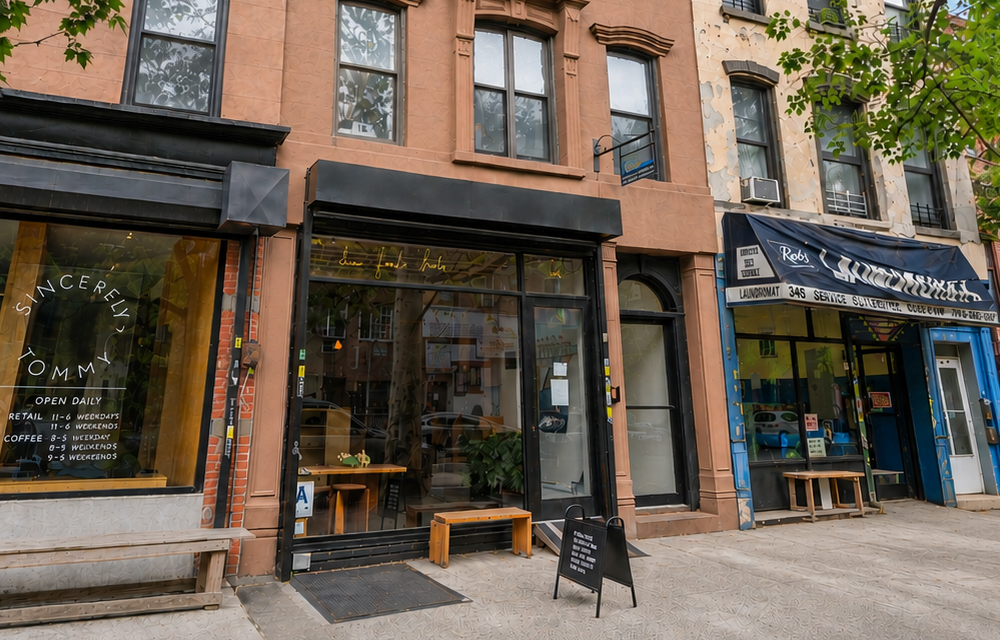
Bestreich, Reynolds, Davila, and Flaherty of Investment Property Realty Group close $1.97 million sale of 343A Tompkins Ave. in Bed-Stuy
Brooklyn, NY Investment Property Realty Group (IPRG) closed the sale of 343A Tompkins Ave., a mixed-use building located in the Bed-Stuy section of the borough, for $1.97 million.



Quick Hits
 (2).gif)

Columns and Thought Leadership

Hunt commercial real estate question and answer: Fortune 500 wisdom - by David Hunt
Yes, there are lessons to be learned from the largest companies in America when comes to managing your real estate. But the decision to buy or lease real estate may not be one of

New York’s streets are full again, and the retail numbers prove it - by Noam Aziz
Walk down any New York block this year and you can feel it. The sidewalks are crowded, the storefronts are lit, and the energy that defines this city is back at full volume.

Hunt CRE question and answer: Choosing a real estate agent - by David Hunt
First, we will only work with one agent exclusively. The primary reason is that we want that agent to legally represent our client’s interests. In New York State, a real estate agent has a fiduciary

A guide to finding the right NYC property management company - by Sanjay Gandhi
Being a small to midsize landlord in NYC is an increasingly demanding endeavor. From navigating complex regulations, increased compliance demands to dealing with tenant issues and remediating violations. It is wise to enlist the assistance of a partner, a professional
.gif)