



News:
Brokerage
Posted: April 11, 2016
RCS Real Estate Advisors to conduct bankruptcy sale of remaining leases for Hancock Fabrics, DIP
New York, NY Following the February bankruptcy of Hancock Fabrics, the process for selling the retailer’s remaining 185 leases to generate value for the estate has been launched by New York-based RCS Real Estate Advisors, according to senior vice president Spence Mehl.
This represents the next step in the recent retention of RCS Real Estate Advisors by Hancock Fabrics, debtor-in-possession (DIP) that has been approved by the United States Bankruptcy Court for the District of Delaware.
“As part of the plan to liquidate Hancock Fabrics, RCS will be marketing the leases of the remaining 185 stores scheduled for closure and will, if necessary, be conducting a bankruptcy auction to maximize the potential value for the estate,” said Mehl. “RCS is currently accepting bids on these leases in 33 states with availabilities between 8,000 and 30,000 s/f.”
Since its founding in 1957, Hancock Fabrics has been committed to nurturing creativity through a complete selection of fashion and home decorating textiles, crafting, sewing accessories, needlecraft supplies, and sewing machines. Hancock Fabrics operated 250 retail stores in 37 states when it filed for Chapter 11 bankruptcy protection on February 2, 2016.
RCS Real Estate Advisors was founded in 1981 by professionals with decades of retail experience. The firm specializes in analyzing retail real estate portfolios, reducing occupancy costs and expanding footprints. Key transactional services include portfolio assessments, renewals, lease restructuring, terminations, dispositions and site selection. RCS also operates as an outsourced real estate department for some of their clients.
Tags:
Brokerage
MORE FROM Brokerage
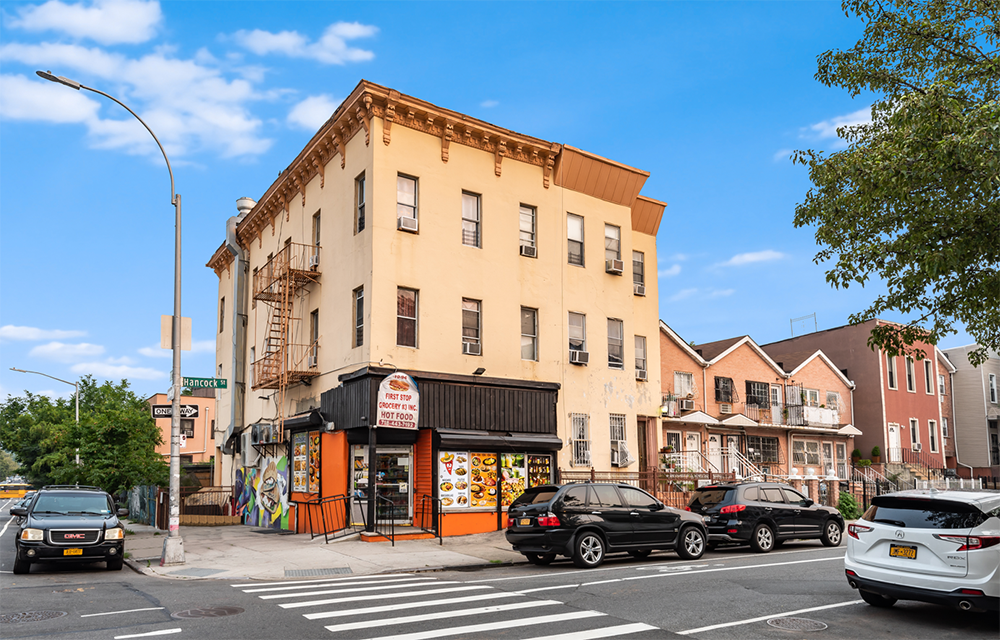
Investment Property Realty Group closes $1.75 million sale of 1094 Hancock Street in Brooklyn
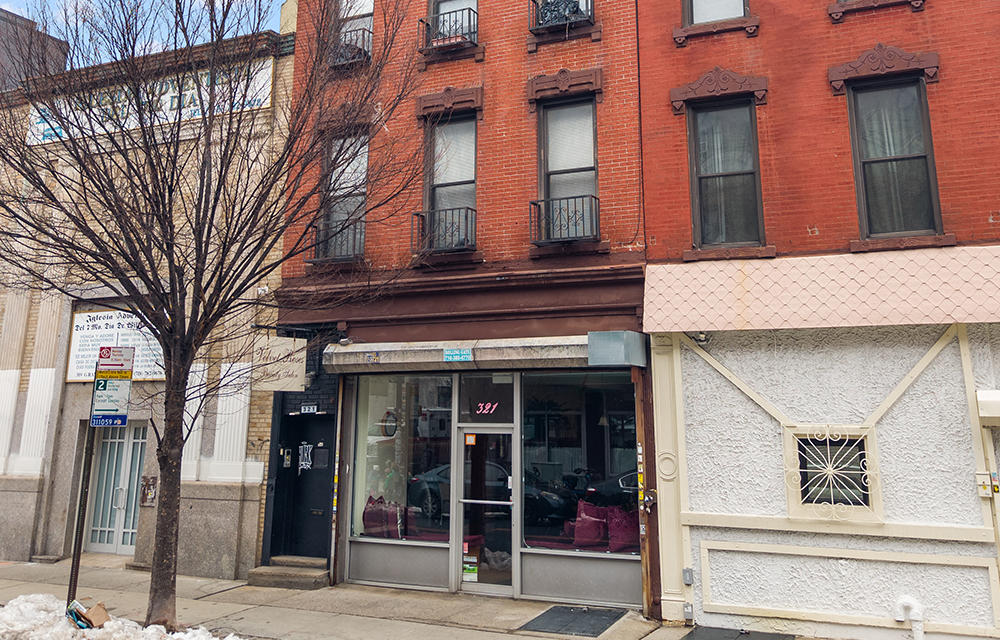
Brooklyn, NY Investment Property Realty Group (IPRG), a New York-based commercial investment firm, has closed the sale of 1094 Hancock St., a mixed-use building in the Bushwick section, for $1.75 million.


 (2).gif)

Columns and Thought Leadership

Hunt CRE question and answer: Choosing a real estate agent - by David Hunt
First, we will only work with one agent exclusively. The primary reason is that we want that agent to legally represent our client’s interests. In New York State, a real estate agent has a fiduciary

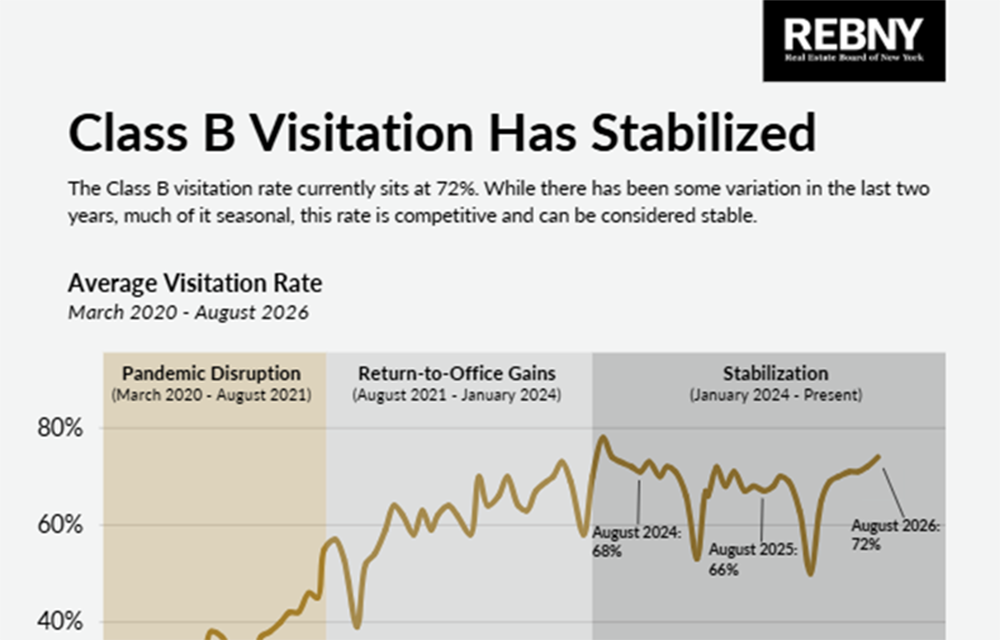
New York’s streets are full again, and the retail numbers prove it - by Noam Aziz
Walk down any New York block this year and you can feel it. The sidewalks are crowded, the storefronts are lit, and the energy that defines this city is back at full volume.

Hunt commercial real estate question and answer: Fortune 500 wisdom - by David Hunt
Yes, there are lessons to be learned from the largest companies in America when comes to managing your real estate. But the decision to buy or lease real estate may not be one of

A guide to finding the right NYC property management company - by Sanjay Gandhi
Being a small to midsize landlord in NYC is an increasingly demanding endeavor. From navigating complex regulations, increased compliance demands to dealing with tenant issues and remediating violations. It is wise to enlist the assistance of a partner, a professional
.gif)