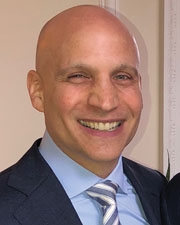




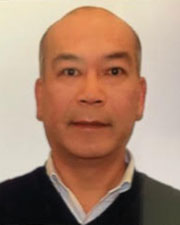

Manhattan, NY Lawrence ENV, LLC provides environmental testing (mold, asbestos, lead, water, IAQ etc.) consulting, risk management services to commercial, residential and industrial real estate clients throughout the country, with a focus on the New York Metropolitan Area and South Florida. Before the SARS-CoV-2 virus, their main focus was assisting clients through the complicated and ever-changing regulatory compliance requirements put forth by city, state and federal regulatory agencies. In light of these unprecedented times and in an effort to provide guidance to assist clients, the Lawrence ENV team, led by Chris Smith (president), Tom Eng (chief science officer) and Scott Smith (advisor), partnered with Russ Nassof, Esq. and his team at RiskNomics to design the first customized oversight and management COVID-19 plan for commercial and multifamily buildings.
NYREJ recently interviewed fellow ireon members, Chris Smith; Tom Eng, CIH; and Scott Smith to get more details on their oversight and management plan.
NYREJ: Why is it important for commercial and multifamily real estate portfolio owners, managers, co-op and condo boards to have an oversight and management plan in place?
TE: The plan provides the foundation, in this litigious world we live in, to help clients provide a risk management program to protect their residents, workers, and employees while reducing their fiduciary risk. Based on our conversations with many lending institutions, insurance companies and municipalities, plans like these are expected to be required as we navigate these uncertain times.
NYREJ: What was your immediate goal in designing these plans?
CS: Our immediate goal was to let our clients know that we will continue to be there for them throughout this pandemic. Understanding the unprecedented burden that has already been put on our clients and their staff to manage and navigate their properties through this crisis, we wanted to provide a comprehensive document that would simplify the process for our clients.
NYREJ: Can you provide some insight into what is included in the plan and what clients can expect?
SS: The plan includes multiple sections such as: Outbreak preparation; COVID-19 worker staff/safety package, tenant letter, specific location guidance (laundry rooms, public areas, lobby’s, child play areas etc.); cleaning and disinfection general guidance; specific location control measures for COVID-19; risk team and reporting lines; product lists, signage packages; sample staff questionnaire & example health screening assessment questionnaires; etc. In a nutshell, it is a one stop document to provide the general guidance needed for their commercial and multifamily buildings.
NYREJ: How do you customize the plan for each building?
SS: In an effort to further simplify the process, we designed a simple questionnaire in a fillable PDF form which enables our clients to easily provide the information needed to formalize the final customized plan.
NYREJ: Who is your ideal client?
CS: Our client base is commercial and multifamily real estate portfolio owners, managers, developers, co-ops and condos, low-income housing projects, hospitals, schools, insurance companies, and lenders. Since our launch of the COVID-19 guidance plans in mid-May, we have signed multiple portfolios for owners and managers in all of the NYC boroughs, Connecticut, New Jersey, Massachusetts, Florida, Georgia and Minnesota. We have also been providing this plan to community centers and charity organizations at no cost.
NYREJ: How long did it take to finalize the plan?
SS: Our team put in a combined 200+ hours with over 37 iterations and adjustments as information was continuously changing from the regulatory bodies.
NYREJ: What is the cost of the plan?
CS: Typically, a plan we provide for our clients to address lead, mold, water and asbestos can cost anywhere from $2,000-$3,500. In light of the current financial situation and the unlimited obstacles and expenses our clients are facing, we are offering this portfolio plan for $850 per property.







.gif)