



News:
Brokerage
Posted: January 27, 2014
Product of the Month: Introducing GroundBreaker: A new way to finance and invest in real estate projects
Happy 2014: We have now fully embraced the sharing economy and the do-it-yourself culture. In case you slept through 2013, the SEC finally liberalized the rules for general solicitation of investors, making it easier for real estate sponsors to obtain financing for their projects by tapping the marketplace directly. Like it or not, this will change the rules of the game, for those who know how to play it.
For those of you who are not familiar with the concept, crowdfunding is the collection of funds, typically through the Internet, from multiple parties in order to finance a particular project or venture. More easily said than done: a lack of regulatory, marketing, operational, and technical know-how will all get in the way of a sponsor trying to get crowdfinanced.
GroundBreaker is the online platform that provides a front-to-back solution for sponsors' online financing needs, as well as in-depth industry knowledge and technical expertise. GroundBreaker is the brainchild of a multi-fascetic team that includes Joey Jelinek (former CBRE investment banker and developer at ZOM USA), Jacob Hoffer (a software engineer formerly at Cisco and Sugar CRM) and me (a securities lawyer, formerly at White & Case and BBVA Securities).
Sponsors (including developers, buyers, and other finance-seekers) can visit GroundBreaker, create a profile, publish their deal details and, using simple and intuitive online tools, start marketing their projects to investors, including those who are already part of the GroundBreaker community.
Investors seeking to tap the traditionally elusive private real estate marketplace or expand their deal flow can visit GroundBreaker and start browsing. Once they identify something of interest, investors can interact with the sponsor, ask questions, perform their due diligence and, ultimately, invest.
Once there is sufficient interest in a project, GroundBreaker has all the necessary tools to facilitate closing, including online funds transfer and document execution. Post-closing features include investor reporting and distributions.
GroundBreaker's user base includes accredited and institutional investors (unaccredited investors can sign up but may only invest in projects for which they are eligible) and is growing at a rate of 10-20% each week. Currently, there are five open projects on GroundBreaker, one of which has been fully committed in under two weeks.
Which brings us to the question: How much does all this cost? Because GroundBreaker is not a broker, asset manager, or financial intermediary, it charges a flat fee for the use of its technology. This fee is not dependent on the success or size of the transaction. This is what separates GroundBreaker from its competitors and puts it in a different category: its ability to bring a meaningful and scalable solution to real estate crowdfunding. Where other startups, including Realty Mogul and Fundrise, have simply replaced the traditional industry middlemen and created new inefficiencies, GroundBreaker is disrupting the existing conceptions of real estate financing, allowing investors and sponsors to face each other directly.
Stefano D' Aniello is the co-founder & COO of GroundBreaker, New York, N.Y.
Tags:
Brokerage
MORE FROM Brokerage
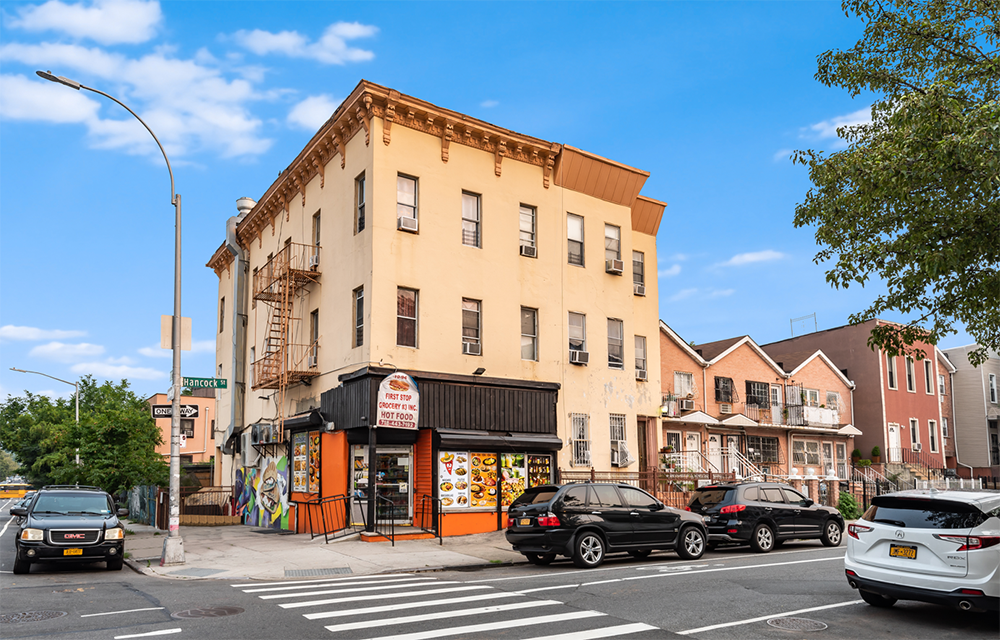
Investment Property Realty Group closes $1.75 million sale of 1094 Hancock Street in Brooklyn
Brooklyn, NY Investment Property Realty Group (IPRG), a New York-based commercial investment firm, has closed the sale of 1094 Hancock St., a mixed-use building in the Bushwick section, for $1.75 million.




Quick Hits

Columns and Thought Leadership

Hunt CRE question and answer: Choosing a real estate agent - by David Hunt
First, we will only work with one agent exclusively. The primary reason is that we want that agent to legally represent our client’s interests. In New York State, a real estate agent has a fiduciary

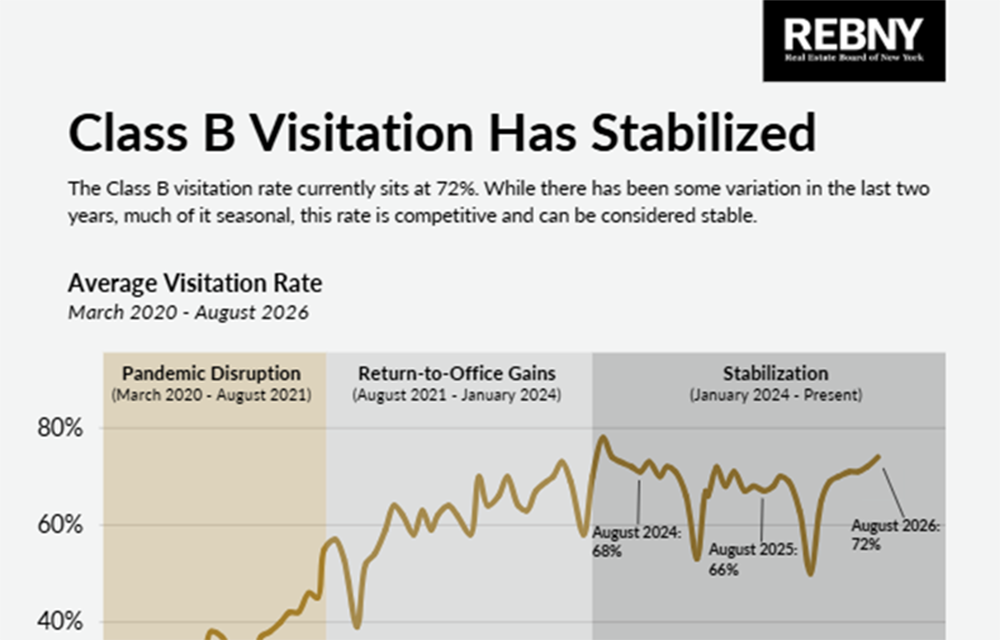
New York’s streets are full again, and the retail numbers prove it - by Noam Aziz
Walk down any New York block this year and you can feel it. The sidewalks are crowded, the storefronts are lit, and the energy that defines this city is back at full volume.

Hunt commercial real estate question and answer: Fortune 500 wisdom - by David Hunt
Yes, there are lessons to be learned from the largest companies in America when comes to managing your real estate. But the decision to buy or lease real estate may not be one of

A guide to finding the right NYC property management company - by Sanjay Gandhi
Being a small to midsize landlord in NYC is an increasingly demanding endeavor. From navigating complex regulations, increased compliance demands to dealing with tenant issues and remediating violations. It is wise to enlist the assistance of a partner, a professional
.gif)