



News:
Brokerage
Posted: September 22, 2014
Porter, Colen, Lee and McDade of NGKF represent Baptist Church for $16 million
NGKF Capital Markets represented Madison Ave. Baptist Church in the sale of 30 E. 31st St. Certes Partners paid $16 million for the property, which had been the church's parish house.
The deal was negotiated a year ago, but required a delayed closing for the seller to make necessary changes to the church sanctuary. The building is on a 4,500 s/f site behind the Roger Williams Hotel, on the corner of 31st St. and Madison Ave. in the NoMa neighborhood. Zoning allows for as much as 45,000 s/f of residential construction as-of-right. Additional air rights can be added through inclusionary housing bonuses.
"The transaction—which involved a specialized valuation, carefully timed capital improvements, tenant negotiations and multi-level government approvals prior to closing—highlights the diverse expertise NGKF Capital Markets brings to the table on its clients' behalf," said managing director Lawrence Porter, who marketed the site with managing director David Colen, director Bill Lee, and NGKF vice president Bart McDade.
"Our client faced exorbitant upkeep on an aging building that was beyond repair or renovation. The church also faced a herculean task in separating the property from the church sanctuary in an adjacent building," Colen said. "We facilitated the moving pieces and are pleased with the purchase price, while securing the funds for the church to renovate and improve their sanctuary space, as well as fund ongoing initiatives of the Madison Ave. Baptist Church for many years to come."
NGKF's Landauer Valuation & Advisory provided valuation expertise in the transaction.
The parish house had housed the church's heating system, restrooms, office and utility connections, so the parties agreed to delay closing the sale while the church renovated its sanctuary and moved those essential elements out of the parish house.
Tags:
Brokerage
MORE FROM Brokerage
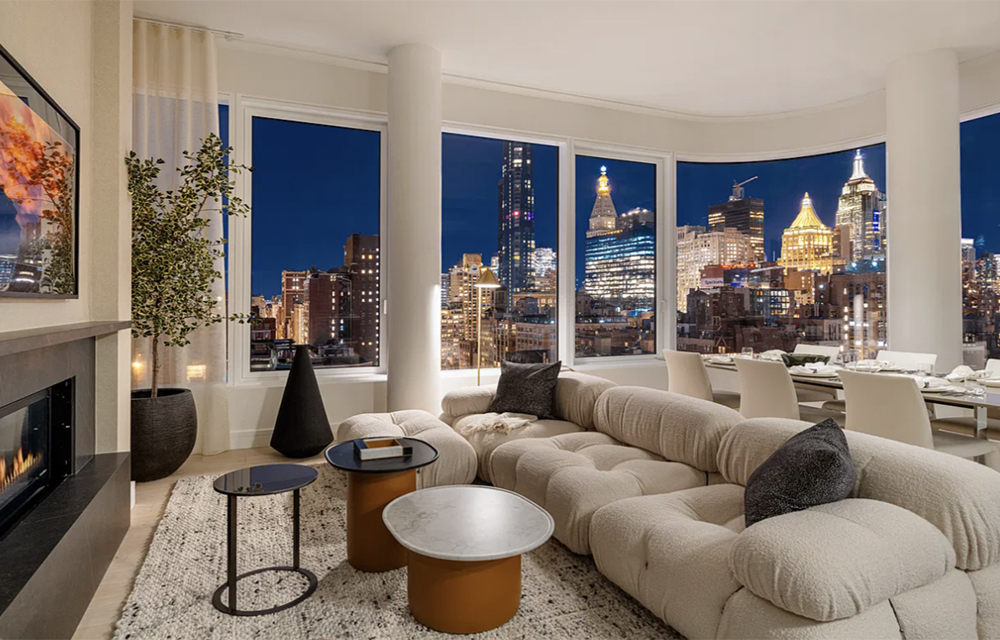
200E20TH sells out in Gramercy, penthouse A closes out sales at the CetraRuddy-designed condominium residences
Manhattan, NY 200E20TH, the CetraRuddy-designed architectural masterwork that brought a curved, contemporary sensibility to Gramercy’s Beaux-Arts streetscape, has




Quick Hits
 (2).gif)

Columns and Thought Leadership

Hunt CRE question and answer: Choosing a real estate agent - by David Hunt
First, we will only work with one agent exclusively. The primary reason is that we want that agent to legally represent our client’s interests. In New York State, a real estate agent has a fiduciary

Hunt commercial real estate question and answer: Fortune 500 wisdom - by David Hunt
Yes, there are lessons to be learned from the largest companies in America when comes to managing your real estate. But the decision to buy or lease real estate may not be one of

The art of investing in real estate - by Thomas Donovan
Real estate investing is as much an art as it is a skill. No one can time the market, or the factors that drive it, perfectly. Location, zoning, size, transportation, and neighborhood density give you a baseline for

New York’s streets are full again, and the retail numbers prove it - by Noam Aziz
Walk down any New York block this year and you can feel it. The sidewalks are crowded, the storefronts are lit, and the energy that defines this city is back at full volume.
.gif)