



News:
Brokerage
Posted: November 22, 2022
Pirro, Jr. joins Abrams Fensterman as partner and member of its land and zoning practice group
White Plains, NY According to Abrams Fensterman, Al Pirro, Jr. has re-entered the field of law and joined the firm as a partner and member of its land and zoning practice group in its White Plains office. Pirro has forty-five years of experience as a land use and zoning attorney in private practice.
“It’s an incredibly exciting time to join Abrams Fensterman,” said Pirro. “I look forward to working alongside a seasoned and experienced team of professionals as, together, we serve and grow the firm’s client base.”
Pirro joins Abrams Fensterman as a result focused, commercial, transactional land use and zoning attorney. He has represented clients throughout the Hudson Valley where his considerable land use experience has resulted in large scale projects such as The Westchester in White Plains, the Centre at Purchase in Purchase, The Summit in Mount Pleasant, and a myriad of residential and specialty land use approvals.
“Al has already demonstrated the drive, talent, and passionate commitment to client service that distinguishes our firm,” said Howard Fensterman, managing partner at Abrams Fensterman. “His insight and experience will allow us to further expand our ability to meet our clients’ needs.”
Pirro’s appointment brings Abrams Fensterman’s land use and zoning group to a team of nine.
Pirro is admitted to practice in the State of New York and the U.S. Southern District of New York. He has been in service as a registered lobbyist in both New York State and Washington, D.C. where, among other clients, he served the Greater New York Hospital Association and its 300 affiliated hospitals.
“Al brings an enormous wealth of experience to our team,” said Robert Spolzino, executive partner at Abrams Fensterman. “We look forward to his strong business acumen and legal knowledge to help drive our continued growth and staff development.”
Tags:
Brokerage
MORE FROM Brokerage
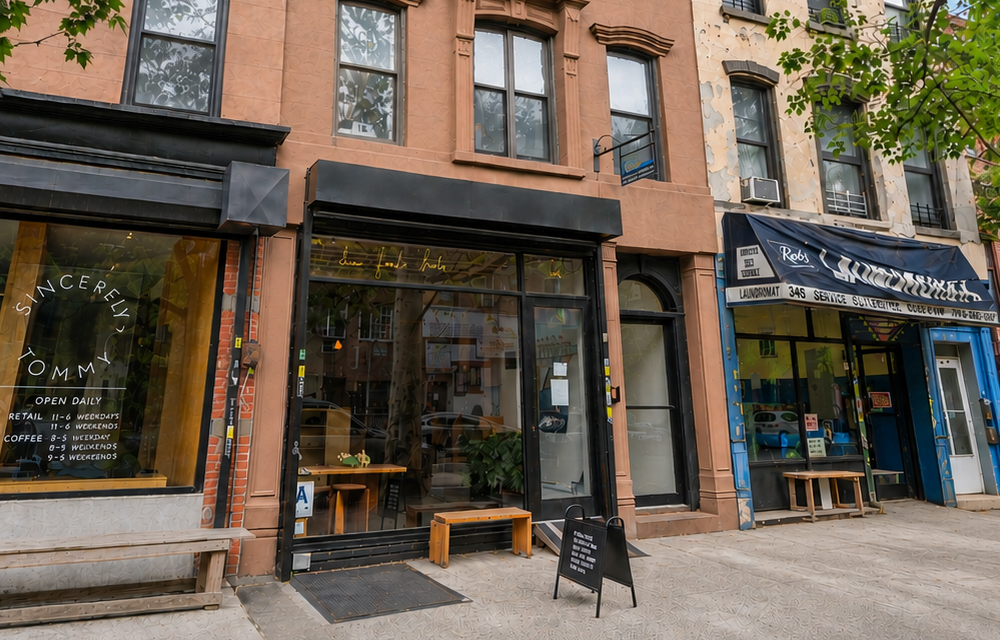
Bestreich, Reynolds, Davila, and Flaherty of Investment Property Realty Group close $1.97 million sale of 343A Tompkins Ave. in Bed-Stuy
Brooklyn, NY Investment Property Realty Group (IPRG) closed the sale of 343A Tompkins Ave., a mixed-use building located in the Bed-Stuy section of the borough, for $1.97 million.



Quick Hits
 (2).gif)

Columns and Thought Leadership

A guide to finding the right NYC property management company - by Sanjay Gandhi
Being a small to midsize landlord in NYC is an increasingly demanding endeavor. From navigating complex regulations, increased compliance demands to dealing with tenant issues and remediating violations. It is wise to enlist the assistance of a partner, a professional

Hunt commercial real estate question and answer: Fortune 500 wisdom - by David Hunt
Yes, there are lessons to be learned from the largest companies in America when comes to managing your real estate. But the decision to buy or lease real estate may not be one of

New York’s streets are full again, and the retail numbers prove it - by Noam Aziz
Walk down any New York block this year and you can feel it. The sidewalks are crowded, the storefronts are lit, and the energy that defines this city is back at full volume.

Hunt CRE question and answer: Choosing a real estate agent - by David Hunt
First, we will only work with one agent exclusively. The primary reason is that we want that agent to legally represent our client’s interests. In New York State, a real estate agent has a fiduciary
.gif)