



News:
Brokerage
Posted: October 1, 2019
Over 1,500 agents become “Commercial & Investment Real Estate-Certified”
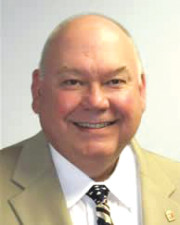
New York, NY According to Edward Smith Jr., CREI, ITI, CIC, GREEN, MICP, and CNE, over 1,500 agents in NY and CT are now recognized as being “Commercial and Investment Real Estate Certified (CIREC).” Agents receiving this certification have completed an extensive program over three days, learning the foundations needed to provide commercial and investment real estate brokerage services.
This program was developed and is instructed by Smith.
Smith has been in the real estate business for over 40 years, he is the author of more than a dozen real estate continuing education courses. Smith has personally taught over 15,000 agents to do commercial brokerage. He has authored 12 books on real estate, including four textbooks for Dearborn Publishing, and has over 200 published articles. Across the nation, thousands of other students have learned commercial real estate, taught by local instructors using Smith’s textbooks.
In the CIREC program agents expanded their skills learning about:
- Financial Analysis,
- Advanced Investment Analysis,
- Internal Rate of Return functions,
- Taxation,
- Lease Structures and Clauses,
- Green Concepts; and much more.
- Their abilities to work better with their clients and customers were enhanced with seminars on:
- Fair Housing as applied to Commercial Properties,
- Inadvertent Discrimination,
- Commercial Marketing Resources,
- Generational Marketing,
- Tenant and Buyer Representation,
- Requests for Proposal,
- Negotiation Skills; and other topics.
These agents also demonstrated a commitment to ethical conduct by complying with the National Association of Realtors Code of Ethics requirement; to receive proper training before providing specialized real estate services, such as commercial and investment brokerage.
The program also serves as a refresher course for experienced commercial agents; and has been approved for continuing education credits in both states.
For details about the “Commercial and Investment Real Estate-Certified” program and course schedule visit Smith’s website at www.CommercialEd.com. Contact Smith at [email protected].
Tags:
Brokerage
MORE FROM Brokerage
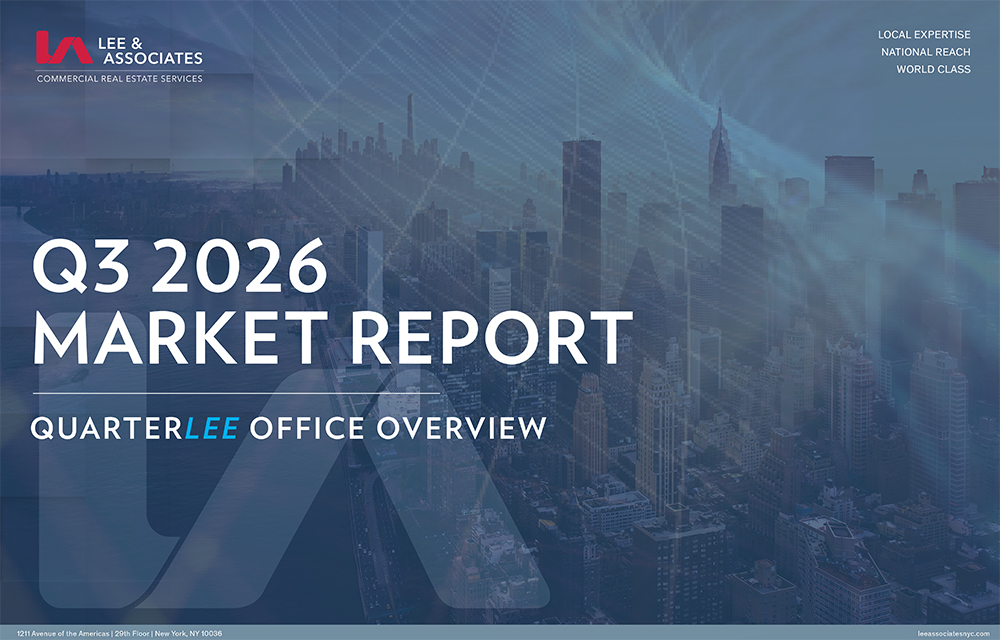
Manhattan office leasing tops 10 million s/f for ninth consecutive quarter, Lee & Associates NYC reports
Manhattan, NY Manhattan’s office market continued its recovery in the third quarter of 2026, recording more than 10 million s/f of leasing activity for the ninth






Columns and Thought Leadership

A guide to finding the right NYC property management company - by Sanjay Gandhi
Being a small to midsize landlord in NYC is an increasingly demanding endeavor. From navigating complex regulations, increased compliance demands to dealing with tenant issues and remediating violations. It is wise to enlist the assistance of a partner, a professional

New York’s streets are full again, and the retail numbers prove it - by Noam Aziz
Walk down any New York block this year and you can feel it. The sidewalks are crowded, the storefronts are lit, and the energy that defines this city is back at full volume.

Hunt commercial real estate question and answer: Fortune 500 wisdom - by David Hunt
Yes, there are lessons to be learned from the largest companies in America when comes to managing your real estate. But the decision to buy or lease real estate may not be one of

Hunt CRE question and answer: Choosing a real estate agent - by David Hunt
First, we will only work with one agent exclusively. The primary reason is that we want that agent to legally represent our client’s interests. In New York State, a real estate agent has a fiduciary
.gif)