



News:
Brokerage
Posted: May 7, 2019
Outside the Region: Greystone places Freddie Mac loan for 163-unit property in North Carolina
Charlotte, NC Greystone provided a $7.5 million Freddie Mac Small Balance loan refinance for a 163-unit multifamily property. The transaction was originated by Andrew Ellis and Payton Banks, managing directors in Greystone’s Rockville, Md., office, on behalf of Sandhurst Investors.
The new financing is a 20-year hybrid mortgage based on a 30-year amortization with a 10-year fixed-rate period followed by a 10-year floating-rate period and two-years of interest-only. The loan proceeds will enable the borrower to complete renovations and capital improvements to the property and expand their investment portfolio.
Built in 1967, 1701 Cityview has tripled in value since its purchase and renovation which involved structural improvements to some of its apartments and complete interior and exterior refurbishments, including new paint, cabinets, appliances and flooring for most of its units.
The community is made up of market rate 1-, 2- and 3-bedroom apartments with easy access to uptown Charlotte, major highways and the Charlotte Douglas International Airport. The park-like community offers laundry facilities and a short walk to the YMCA and public library.
“This loan was a strategic refinancing allowing the owner to add further value to the asset while monetizing equity from their initial investment and redirecting those funds to grow its portfolio,” said Mr. Ellis. “Multifamily transactions often require flexibility and creativity – and that was certainly the case here with 1701 Cityview. The asset is located in one of the country’s strongest multifamily markets and is located in a recently designated Opportunity Zone. This submarket is experiencing economic growth and excellent rental dynamics.”
“We are amazed at the agility and expertise of the Greystone team to bring this transaction to a quick close,” said Jaykant Patel, principal of Sandhurst. “We look forward to closing more deals with Greystone as we continue to expand our multifamily holdings across North Carolina.”
Patel’s investment and development firm DYON sourced the property, structured the equity and debt financing, and managed renovations and lease-up of the property, while working closely with community advocates in this evolving area.
Tags:
Brokerage
MORE FROM Brokerage
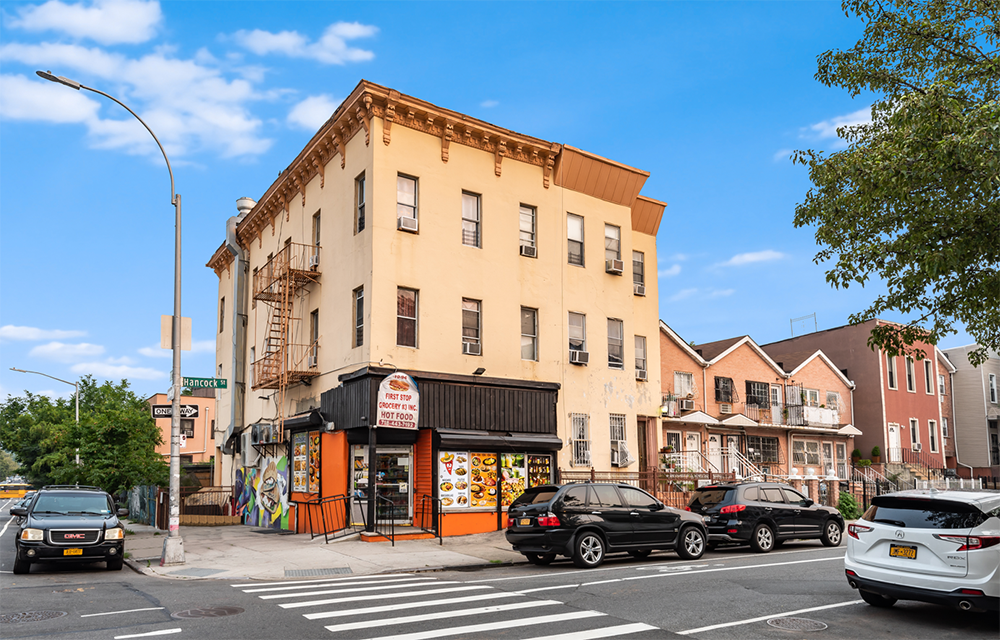
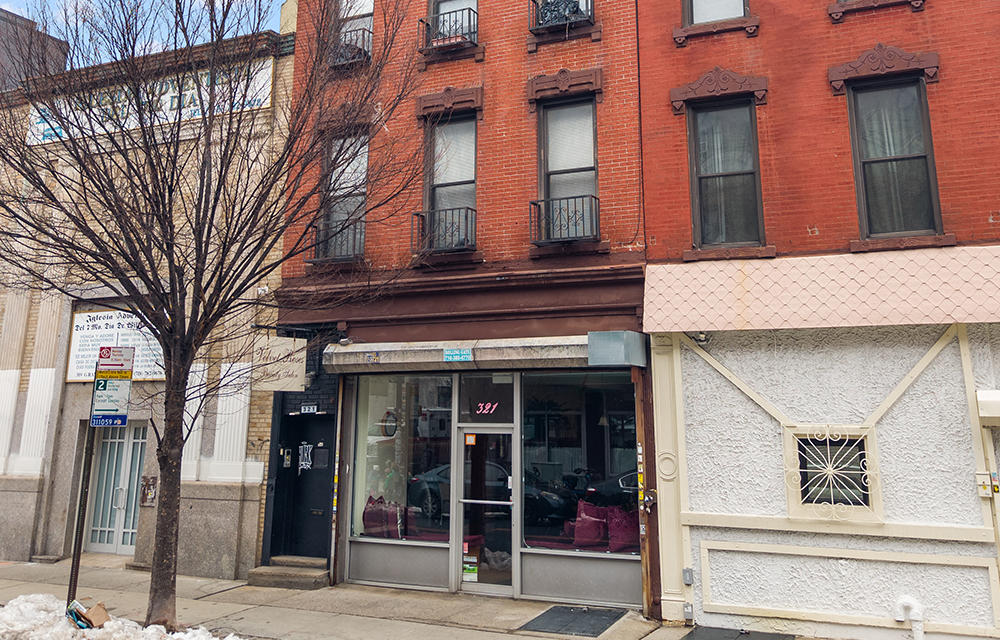
Investment Property Realty Group closes $1.75 million sale of 1094 Hancock Street in Brooklyn
Brooklyn, NY Investment Property Realty Group (IPRG), a New York-based commercial investment firm, has closed the sale of 1094 Hancock St., a mixed-use building in the Bushwick section, for $1.75 million.


Quick Hits

Columns and Thought Leadership

A guide to finding the right NYC property management company - by Sanjay Gandhi
Being a small to midsize landlord in NYC is an increasingly demanding endeavor. From navigating complex regulations, increased compliance demands to dealing with tenant issues and remediating violations. It is wise to enlist the assistance of a partner, a professional

Hunt CRE question and answer: Choosing a real estate agent - by David Hunt
First, we will only work with one agent exclusively. The primary reason is that we want that agent to legally represent our client’s interests. In New York State, a real estate agent has a fiduciary

New York’s streets are full again, and the retail numbers prove it - by Noam Aziz
Walk down any New York block this year and you can feel it. The sidewalks are crowded, the storefronts are lit, and the energy that defines this city is back at full volume.

Hunt commercial real estate question and answer: Fortune 500 wisdom - by David Hunt
Yes, there are lessons to be learned from the largest companies in America when comes to managing your real estate. But the decision to buy or lease real estate may not be one of
.gif)