



News:
Brokerage
Posted: June 2, 2020
NYC exiles flee to suburbs and surrounding states amid COVID-19 outbreak - by Michael Weiser

The COVID-19 crisis has not only rocked the entire New York City economy and way of life, it has also begun to reshuffle the demographic of the city. Since the closure of all non-essential businesses as well as the social distancing and quarantine orders were executed statewide, city dwellers particularly those with young children have migrated to NYC suburbs as well New Jersey and Connecticut.
The spike in rental activity is most acute in Westchester, Greenwich, CT and suburban N.J. We have seen residents that rent their apartments as well as those that own their homes, leave for the less crowded suburbs of NYC. Initially seeking a temporary refuge from the density of city living many of those exiles are looking to make the move permanent now that telecommuting has changed the game allowing people to work from virtually anywhere and the majority of the amenities the city has to offer are now closed with re-opening existing somewhere in the distant future.
Demand for office, commercial and industrial assets in those same areas has begun to pick up as well. Employers looking for spacious facilities in areas closer to their workforce have affected the office market and the uptick in online retail sales has affected the need for industrial/ warehouse assets to serve as distribution facilities.
While some of this change will be permanent, there will be those that will see lower rents and increased vacancy created by residents and businesses leaving the city as an opportunity to move into a NYC they were previously priced out of. Many have written off NYC before because of crisis and have been wrong. Now is the time to take advantage of the spike in real estate demand in suburban New York, Connecticut and New Jersey as well as buy opportunistically in NYC.
Michael Weiser is the president, of GFI Realty Services LLC, New York, N.Y.
Tags:
Brokerage
MORE FROM Brokerage
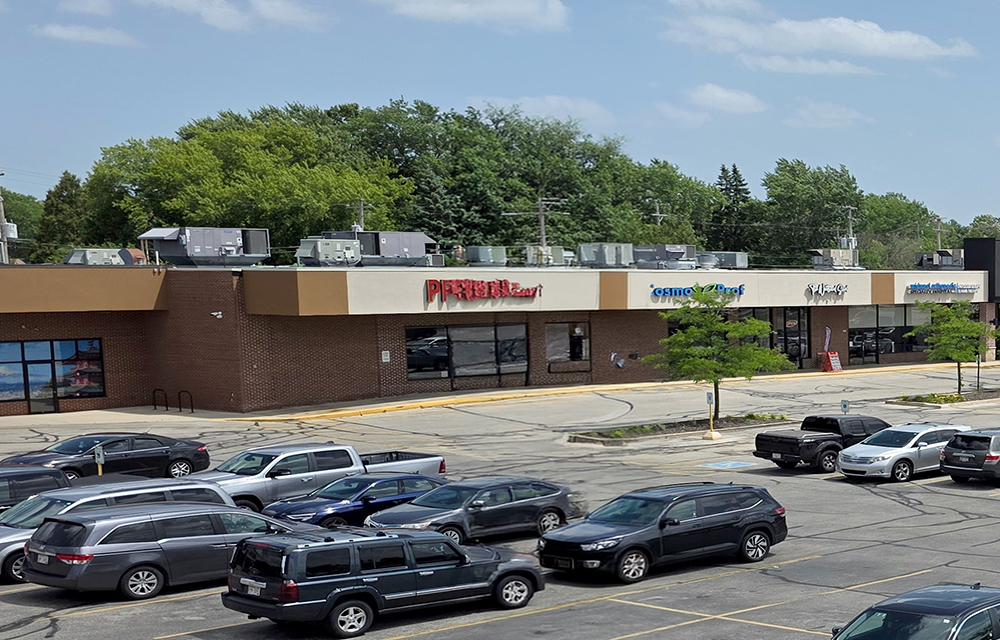
United Properties Corp. expands Wisconsin and Illinois retail presence adding 200,000 s/f
West Allis, WI United Properties Corp. completed two retail acquisitions totaling $27.4 million across Illinois and Wisconsin, adding 205,000 s/f of shopping center space to its portfolio


Quick Hits
 (2).gif)

Columns and Thought Leadership

New York’s streets are full again, and the retail numbers prove it - by Noam Aziz
Walk down any New York block this year and you can feel it. The sidewalks are crowded, the storefronts are lit, and the energy that defines this city is back at full volume.

Hunt commercial real estate question and answer: Fortune 500 wisdom - by David Hunt
Yes, there are lessons to be learned from the largest companies in America when comes to managing your real estate. But the decision to buy or lease real estate may not be one of

A guide to finding the right NYC property management company - by Sanjay Gandhi
Being a small to midsize landlord in NYC is an increasingly demanding endeavor. From navigating complex regulations, increased compliance demands to dealing with tenant issues and remediating violations. It is wise to enlist the assistance of a partner, a professional

Positive forecast for New York’s pro-housing push? - by Philip Butler
New York’s housing crisis remains a hot button topic despite growing consensus that varied and affordable housing is desperately needed statewide. Governor Hochul has recently introduced several initiatives to overcome N.Y.’s anti-housing
.gif)