



News:
Brokerage
Posted: September 22, 2020
NKF secures 19,500 s/f showroom for Wren Kitchens
Levittown, NY Newmark Knight Frank (NKF) handled U.S. showroom leases for the UK’s Wren Kitchens within the tri-state region.
NKF secured a 19,500 s/f showroom at 2993 Hempstead Tpke. Additionally, the retailer signed a 21,350 s/f showroom in Newington, CT. Both showroom locations are scheduled to open by the end of 2020 or in early 2021.
Wren Kitchens was represented by NKF’s cooperating brokers Adam Weinblatt and Marc Frankel in both transactions. Brain Schuster of Ripco represented the landlord in Levittown and Michael Shanahan of Fairfield Retail Partners represented the landlord in Newington.
In addition to acquisition and transactional services, the NKF team provided strategic data and regional analysis to Wren Kitchens to identify prime areas that reflected the brand’s targeted client base.
“There is a need for retailers like Wren Kitchens here in the US, as their level of quality and workmanship is widely recognized as unparalleled,” said Frankel.
Weinblatt said, “Using our data analysis, we were able to identify areas where the brand would be the most successful and provide them with informed guidance on locations that made the most sense for them to grow their business stateside.”
A Wren spokesperson said, “We’re hugely excited to be taking our first steps into the American kitchen market. It’s a tremendous opportunity and our research shows an immense desire for kitchen renovations and the latest trends and styles.”
Wren Kitchens also signed their first US manufacturing facility totaling 252,000 square feet at the Hanover Industrial Estates in Northeast Pennsylvania that will house state-of-the-art machinery and assembling facilities. As part of their US expansion, Wren Kitchens plans to bring hundreds of jobs to the states in manufacturing, retail, delivery and logistics as well as various support roles in customer services and human resources.
Tags:
Brokerage
MORE FROM Brokerage
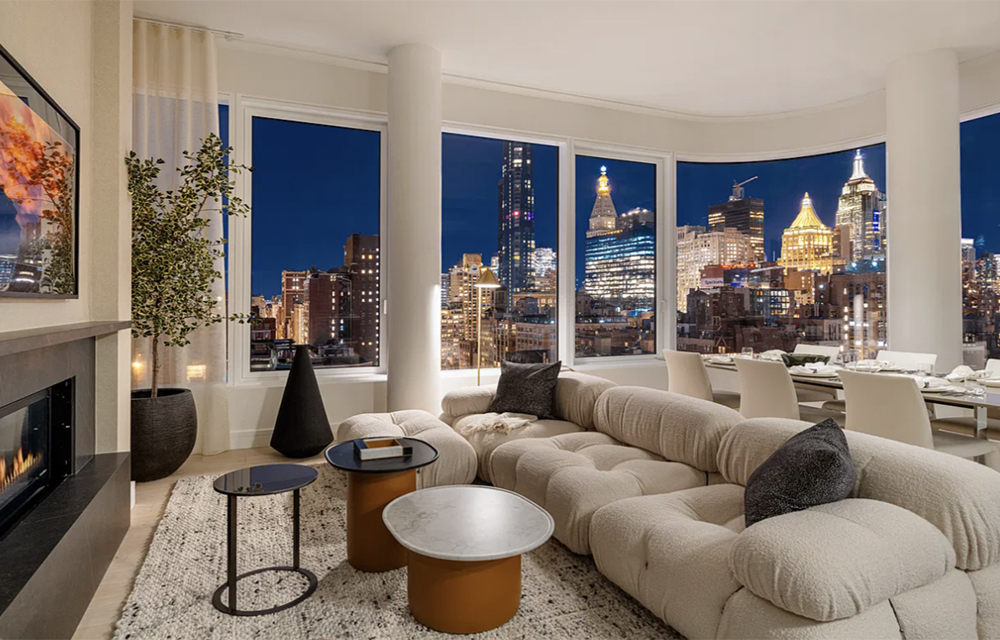
200E20TH sells out in Gramercy, penthouse A closes out sales at the CetraRuddy-designed condominium residences
Manhattan, NY 200E20TH, the CetraRuddy-designed architectural masterwork that brought a curved, contemporary sensibility to Gramercy’s Beaux-Arts streetscape, has



Quick Hits

Columns and Thought Leadership

The art of investing in real estate - by Thomas Donovan
Real estate investing is as much an art as it is a skill. No one can time the market, or the factors that drive it, perfectly. Location, zoning, size, transportation, and neighborhood density give you a baseline for

New York’s streets are full again, and the retail numbers prove it - by Noam Aziz
Walk down any New York block this year and you can feel it. The sidewalks are crowded, the storefronts are lit, and the energy that defines this city is back at full volume.

Hunt commercial real estate question and answer: Fortune 500 wisdom - by David Hunt
Yes, there are lessons to be learned from the largest companies in America when comes to managing your real estate. But the decision to buy or lease real estate may not be one of

Hunt CRE question and answer: Choosing a real estate agent - by David Hunt
First, we will only work with one agent exclusively. The primary reason is that we want that agent to legally represent our client’s interests. In New York State, a real estate agent has a fiduciary
.gif)