



News:
Brokerage
Posted: September 22, 2020
Law: COVID-19 kicks public assembly uses to the curb - by Judy Simoncic

COVID-19 has left its mark on numerous sectors of our economy in ways we never would have imagined prior to March of 2020. The real estate sector is among one of those hit hardest by COVID-19. Under usual circumstances, seasoned real estate owners/developers know how to maximize the yield on a property while navigating the entitlement process in a timely and cost-effective manner. COVID-19 has undeniably changed the landscape of real estate development and forced real estate owners/developers to think outside the box. Social distancing requirements have led to a “new normal” for many public assembly uses such as restaurants, gyms and fitness centers. In addition to local zoning requirements, these uses must now meet New York State’s mandatory Phase 4 re-opening guidelines. These guidelines are cumbersome and extremely costly, resulting in fitness giants such as 24 Hour Fitness and Gold’s Gym, and many national restaurant chains, filing for bankruptcy. Indoor occupancy limitations have shifted usable square footage to outdoor areas such as sidewalks and parking lots. Curbside pick-up for restaurants and other retail uses is now the norm. While local municipalities have temporarily accommodated these uses, it is likely that zoning codes will be revised to allow for future site plans to include them. In addition, accessory drive-thru uses, once frowned upon due to their impacts on traffic, may be more acceptable to communities. How will properties, especially shopping centers, be redeveloped? Will restaurants, fitness centers and gyms continue to operate outdoors as we transition to cooler weather? Will municipalities change their zoning codes to reduce required parking to accommodate outdoor uses and curbside pick-up areas? The answers to these questions remain to be seen as we continue to navigate through the effects of COVID-19.
Judy Simoncic is a land use & zoning partner at Forchelli Deegan Terrana LLP, Uniondale, N.Y.
Tags:
Brokerage
MORE FROM Brokerage
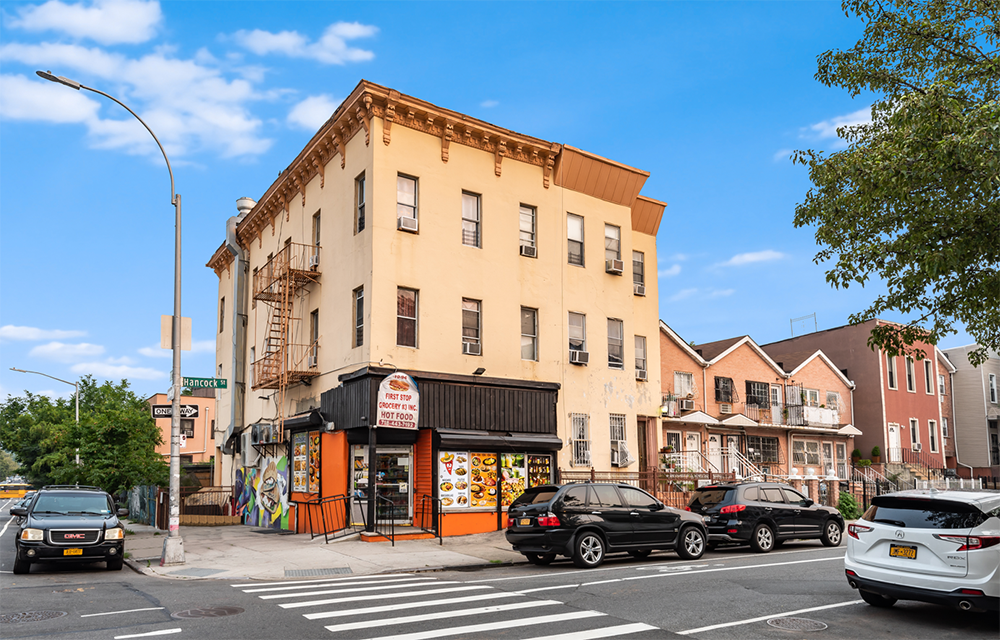
Investment Property Realty Group closes $1.75 million sale of 1094 Hancock Street in Brooklyn
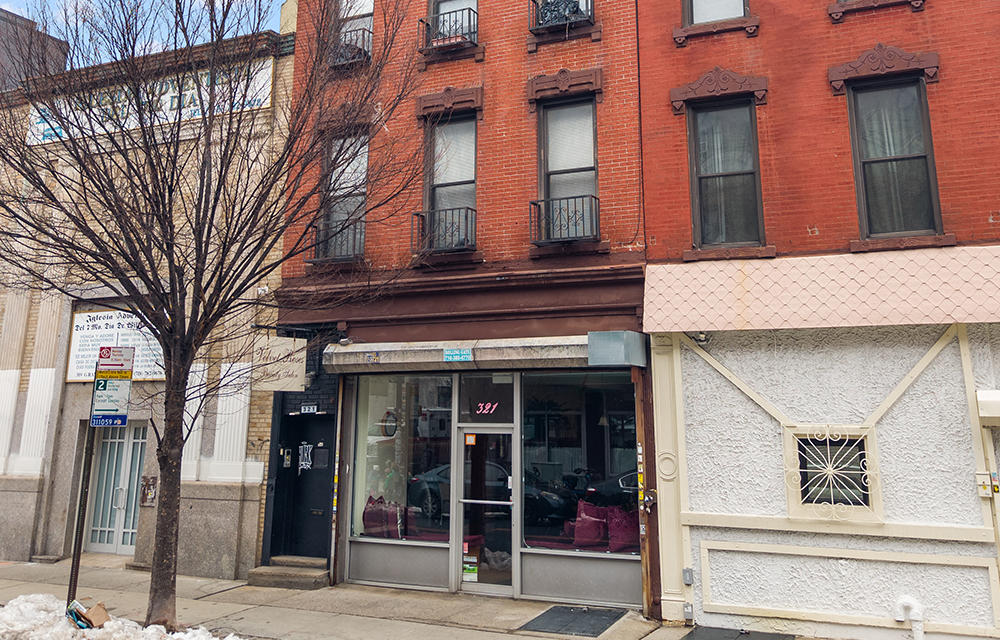
Brooklyn, NY Investment Property Realty Group (IPRG), a New York-based commercial investment firm, has closed the sale of 1094 Hancock St., a mixed-use building in the Bushwick section, for $1.75 million.


Quick Hits

Columns and Thought Leadership

Hunt commercial real estate question and answer: Fortune 500 wisdom - by David Hunt
Yes, there are lessons to be learned from the largest companies in America when comes to managing your real estate. But the decision to buy or lease real estate may not be one of

New York’s streets are full again, and the retail numbers prove it - by Noam Aziz
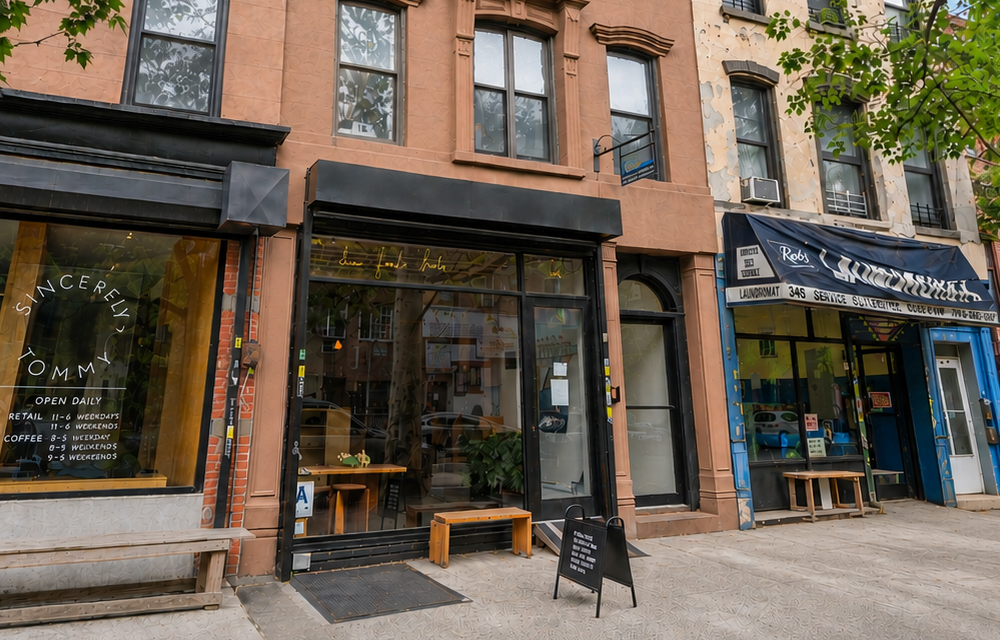
Walk down any New York block this year and you can feel it. The sidewalks are crowded, the storefronts are lit, and the energy that defines this city is back at full volume.

A guide to finding the right NYC property management company - by Sanjay Gandhi
Being a small to midsize landlord in NYC is an increasingly demanding endeavor. From navigating complex regulations, increased compliance demands to dealing with tenant issues and remediating violations. It is wise to enlist the assistance of a partner, a professional

Hunt CRE question and answer: Choosing a real estate agent - by David Hunt
First, we will only work with one agent exclusively. The primary reason is that we want that agent to legally represent our client’s interests. In New York State, a real estate agent has a fiduciary
.gif)