



News:
Brokerage
Posted: July 28, 2026
Nixon Peabody represents seller on Oholei Torah’s $16 million purchase
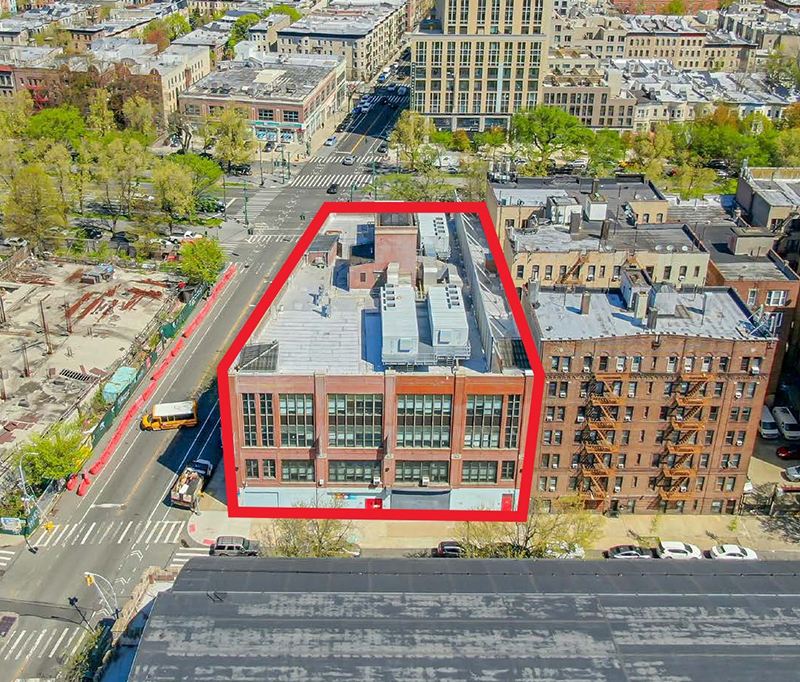
Brooklyn, NY Oholei Torah, an educational institution for the Chabad-Lubavitch community, has purchased a $16 million, 58,000 s/f, building at 402 Eastern Pkwy. ($275 per s/f) to serve as The Oholei Torah Rabbinical Campus.
Zoned for expansion to 80,000 s/f, the building is poised to expand Talmudical Seminary Oholei Torah, the school’s rabbinical college and will house its newly inaugurated post-graduate and rabbinical ordination program. The purchase bucks the trend of recent closures, sales and downsizings seen among non-Orthodox rabbinical schools, demonstrating the Chabad-Lubavitch community’s commitment to a vibrant Jewish future in New York City and around the world.
Nixon Peabody represented the seller. Long Island partner Ed Puerta led the Nixon Peabody deal team.
“The impact of this institution extends far beyond Brooklyn,” said Rabbi Mendel Blau, head of school. “Oholei Torah has educated more Jewish leaders and rabbis currently serving communities around the world than any other single Jewish institution. This expansion ensures that we can continue equipping future generations of leaders with the tools they need to meet global Jewry’s growing needs.”
This recent acquisition is the school’s largest in decades. The new building sits only blocks away from Oholei Torah’s 100,000 s/f flagship campus at 667 Eastern Pkwy., formerly the Brooklyn Jewish Center. Once a leading synagogue and center of the Conservative Jewish movement, Oholei Torah purchased the campus in 1982, after many Jews had fled the neighborhood for the suburbs.
At the time, the purchase was indicative of the Chabad’s dedication to preserving flourishing Jewish life in the face of fear and communal decline. The school currently educates 2,050 students from Pre-K through college, and this purchase will allow Oholei Torah to nearly double their student enrollment.
“Demand for our programs continues to grow year over year,” said Rabbi Yehoshua Lustig, executive director of the Oholei Torah network of educational institutions. “This acquisition allows us to plan for the future, accommodate growing enrollment, and continue providing educational opportunities for students from New York and around the world.”
In particular, this acquisition will allow the school to greatly expand its existing rabbinical college program, from 485 current students to approximately 1,300 students. The program has been growing at a 10% pace year over year and has about 40% more viable applications than current space allows.
The new campus will be accompanied by the inauguration of a brand new post-graduate rabbinical college program offering a rabbinic ordination track, as well as allow those who have received their ordination to continue their higher learning of advanced Jewish scholarship.
By moving the rabbinical program out of the existing campus, Oholei Torah will have capacity to create a new early-childhood care program and expand its existing pre-K through high-school-age programs by an estimated 35%.
“The impact of this expansion will be felt in communities globally and for generations to come,” Rabbi Yehoshua Lustig said.
MORE FROM Brokerage
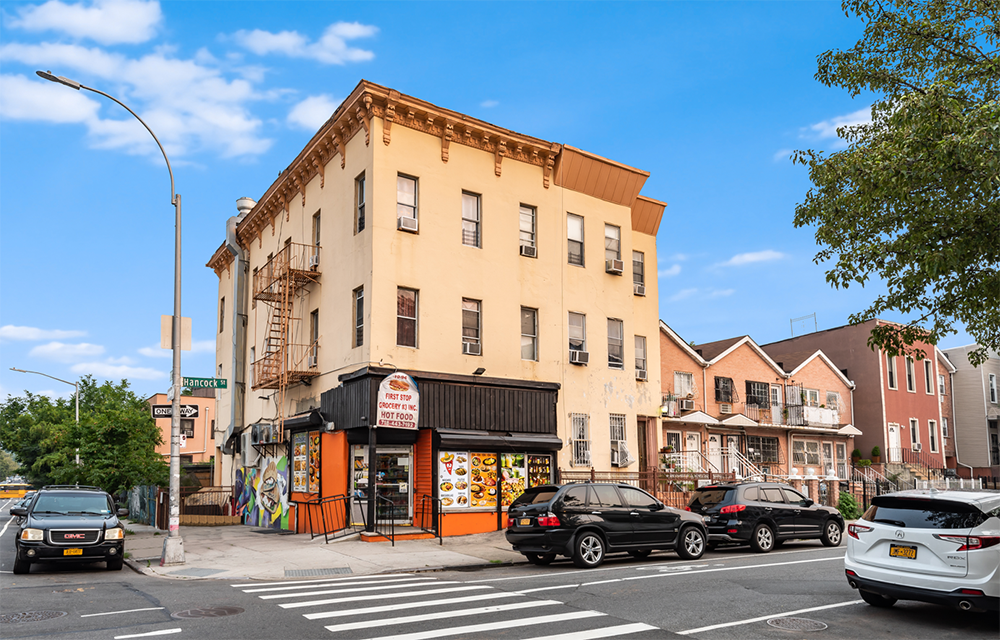
Investment Property Realty Group closes $1.75 million sale of 1094 Hancock Street in Brooklyn
Brooklyn, NY Investment Property Realty Group (IPRG), a New York-based commercial investment firm, has closed the sale of 1094 Hancock St., a mixed-use building in the Bushwick section, for $1.75 million.



Columns and Thought Leadership

New York’s streets are full again, and the retail numbers prove it - by Noam Aziz
Walk down any New York block this year and you can feel it. The sidewalks are crowded, the storefronts are lit, and the energy that defines this city is back at full volume.

Hunt CRE question and answer: Choosing a real estate agent - by David Hunt
First, we will only work with one agent exclusively. The primary reason is that we want that agent to legally represent our client’s interests. In New York State, a real estate agent has a fiduciary

A guide to finding the right NYC property management company - by Sanjay Gandhi
Being a small to midsize landlord in NYC is an increasingly demanding endeavor. From navigating complex regulations, increased compliance demands to dealing with tenant issues and remediating violations. It is wise to enlist the assistance of a partner, a professional

Hunt commercial real estate question and answer: Fortune 500 wisdom - by David Hunt
Yes, there are lessons to be learned from the largest companies in America when comes to managing your real estate. But the decision to buy or lease real estate may not be one of
.gif)