



News:
Brokerage
Posted: July 28, 2026
Tungsten Property represents Toby’s Estate in continued New York City expansion
Manhattan, NY Tungsten Property represented Toby’s Estate in securing multiple locations as part of the Australian specialty coffee brand’s continued expansion throughout the U.S. The transactions were led by Lydia Bell, director – retail, who represents Toby’s Estate in its ongoing real estate growth strategy across the city.
Over the past twelve months, Toby’s Estate has significantly expanded its New York City footprint, opening, securing, or repositioning four locations across the city.
The growth includes a new flagship café at the corner of Lafayette and Broome Streets in SoHo, a new location at 295 Fifth Avenue, and the renovation of its West Village café at Perry and Hudson Streets.
Among the most anticipated projects is the brand’s forthcoming SoHo location, scheduled to open in June 2026. Located at one of Manhattan’s premier retail intersections at the corner of Lafayette St. and Broom St., the café will bring Toby’s Estate’s coffee and hospitality program to the heart of the neighborhood while further strengthening the brand’s presence in Lower Manhattan.
Known for its design-forward approach to hospitality, Toby’s Estate treats each location as a unique expression of the brand. Rather than replicating a standard prototype, every café is individually designed, incorporating different materials, architectural elements, and neighborhood influences to create spaces that reflect their surroundings while maintaining the company’s commitment to exceptional coffee and hospitality.
A statement from Toby’s Estate USA’s leadership team: “Lydia has been an invaluable partner in helping shape and execute Toby’s Estate’s growth strategy in the United States. Beyond simply identifying real estate opportunities, she has taken the time to deeply understand our brand, our customer, and how we want Toby’s Estate to be positioned as we continue to expand our presence in one of the world’s most competitive coffee markets. Her ability to source and secure off-market opportunities has been particularly impactful. Through her relationships, market knowledge, and strategic approach, Lydia helped us identify and negotiate locations that aligned with our long-term vision while allowing us to move ahead of competitors and secure premier sites before they became publicly available.”
The recent expansion reflects Toby’s Estate’s long-term commitment to New York City and includes projects across multiple neighborhoods and formats.
“Since partnering with Lydia, Toby’s Estate has successfully expanded its New York City footprint at an exceptional pace. Our Tribeca location, with Vornado as landlord, is now open and operating with our full food and beverage program. Lydia also helped us secure two highly strategic off-market transactions in the West Village, at Perry and Hudson Streets, and in SoHo, at Lafayette and Broome Streets.”
The forthcoming SoHo location will serve as one of the brand’s most visible New York locations and exemplifies Toby’s Estate’s continued investment in thoughtful design and hospitality.
Beyond securing individual locations, the transactions reflect Tungsten Property’s continued focus on placemaking and strategic brand positioning. The firm works closely with operators to identify neighborhoods and adjacencies that strengthen long-term brand value and create meaningful connections between brands and their surrounding communities. Just steps from Toby’s Estate’s new SoHo location, Tungsten Property represented Australian hospitality concept Sushi Counter in securing its New York City location. The transaction was led by Bell and Cole Stapleton. Together, the two brands contribute to a growing presence of high-quality Australian hospitality operators in the neighborhood, reinforcing SoHo’s position as a destination for thoughtfully curated food and beverage concepts.
Tags:
Brokerage
New York City
MORE FROM Brokerage
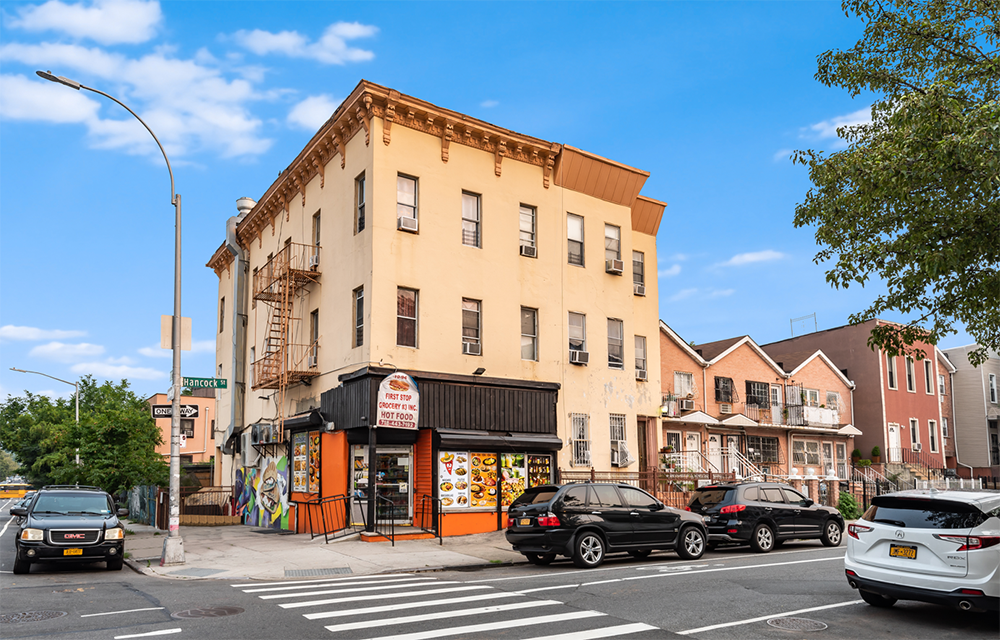
Investment Property Realty Group closes $1.75 million sale of 1094 Hancock Street in Brooklyn
Brooklyn, NY Investment Property Realty Group (IPRG), a New York-based commercial investment firm, has closed the sale of 1094 Hancock St., a mixed-use building in the Bushwick section, for $1.75 million.


Quick Hits
 (2).gif)

Columns and Thought Leadership

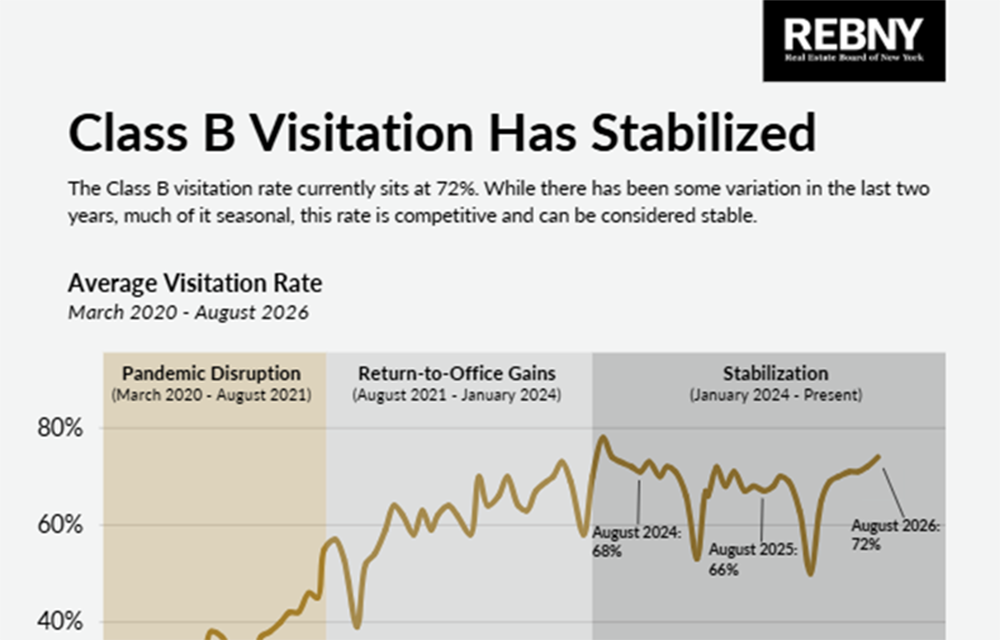
New York’s streets are full again, and the retail numbers prove it - by Noam Aziz
Walk down any New York block this year and you can feel it. The sidewalks are crowded, the storefronts are lit, and the energy that defines this city is back at full volume.

Hunt commercial real estate question and answer: Fortune 500 wisdom - by David Hunt
Yes, there are lessons to be learned from the largest companies in America when comes to managing your real estate. But the decision to buy or lease real estate may not be one of

Hunt CRE question and answer: Choosing a real estate agent - by David Hunt
First, we will only work with one agent exclusively. The primary reason is that we want that agent to legally represent our client’s interests. In New York State, a real estate agent has a fiduciary

A guide to finding the right NYC property management company - by Sanjay Gandhi
Being a small to midsize landlord in NYC is an increasingly demanding endeavor. From navigating complex regulations, increased compliance demands to dealing with tenant issues and remediating violations. It is wise to enlist the assistance of a partner, a professional
.gif)