



News:
Brokerage
Posted: December 27, 2022
Newmark secures new lease for TUMI at 25 East 34th St.
Manhattan, NY Newmark has secured a 5,189 s/f long-term lease for a new concept location for luggage retailer TUMI, located at 25 East 34th St., ground floor retail of 180 Madison Ave. The new showroom and retail space will sit adjacent to the recently signed TUMI headquarters at 16 East 34th St. Newmark's executive managing director Ross Kaplan represented PGIM Real Estate on the transaction.
"This isn't a typical TUMI location; they wanted to incorporate an exciting showroom close to their headquarters," said Kaplan. "The entire corridor has seen an increased elevation of the types of retailers opening in the area. We believe the opening of TUMI on 34th Street further solidifies the upward trajectory we see in the neighborhood."
Targeting a Spring 2023 opening, TUMI will debut the first-of-its-kind concept store. TUMI worked collaboratively with Eight Inc., a key developer in Apple stores, to develop a design concept that brings visitors on a modern journey that strategically engages guests with the newest product lines. Spanning over 5,000 s/f across three levels, the new location will feature a design with interactive components, including a viewing area, a photography studio, modular shelving and displays, a demo table, a magnetic wall and a personalization bar.
"Above our latest store, the new Manhattan office is more than a place of work. It's a 'Global Creative Hub' for the TUMI brand," said TUMI president Andrew Dawson. “We chose the central location in New York City for its easy access and endless inspiration. The environment features dedicated spaces for work, collaboration and clearing minds to allow the creative process to happen. It also offers an iconic experience with a scenic outdoor space overlooking Manhattan and the Empire State Building."
According to a recent retail report from Newmark Research, Q3 experienced a strong quarter of leasing activity, bringing year-to-date velocity up to 1.9 million s/f, surpassing the past two years combined. The leasing actively driving this quarter spans diverse industries, including big box retailers, entertainment concepts, high-end restaurants, apparel accessories and luxury retailers. Availability rates for retail spaces also decreased or were flat in nine of the ten core trade areas year-over-year.
TUMI was represented by Jonathan Serko, Jonathan Schindler and Barry Garfinkle of Cushman & Wakefield. Office leasing at 180 Madison is being handled by a team led by David Falk of Newmark.
Tags:
Brokerage
MORE FROM Brokerage
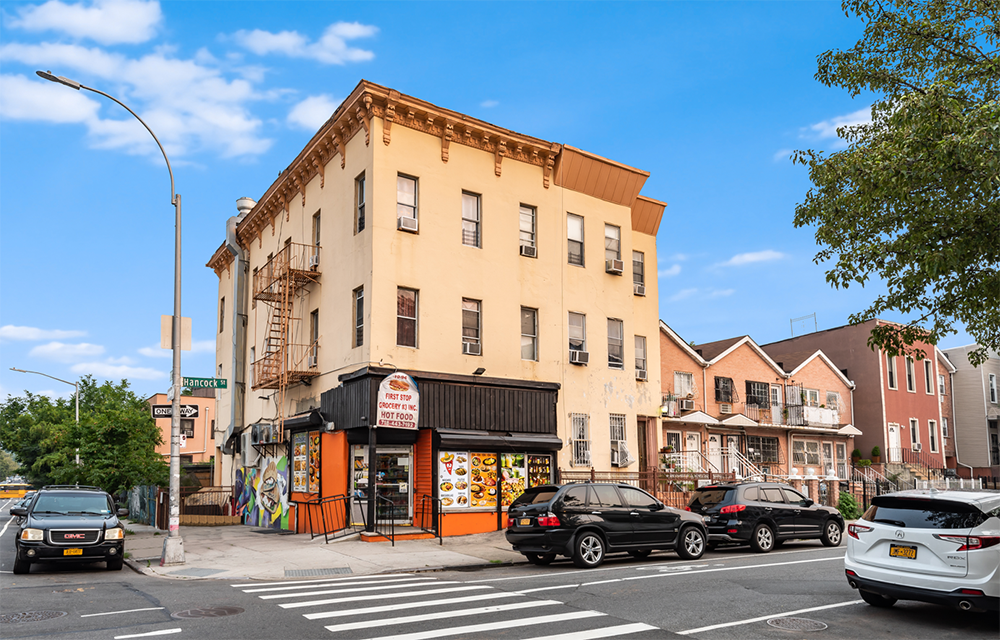
Investment Property Realty Group closes $1.75 million sale of 1094 Hancock Street in Brooklyn
Brooklyn, NY Investment Property Realty Group (IPRG), a New York-based commercial investment firm, has closed the sale of 1094 Hancock St., a mixed-use building in the Bushwick section, for $1.75 million.





Quick Hits
 (2).gif)

Columns and Thought Leadership

Hunt commercial real estate question and answer: Fortune 500 wisdom - by David Hunt
Yes, there are lessons to be learned from the largest companies in America when comes to managing your real estate. But the decision to buy or lease real estate may not be one of

A guide to finding the right NYC property management company - by Sanjay Gandhi
Being a small to midsize landlord in NYC is an increasingly demanding endeavor. From navigating complex regulations, increased compliance demands to dealing with tenant issues and remediating violations. It is wise to enlist the assistance of a partner, a professional

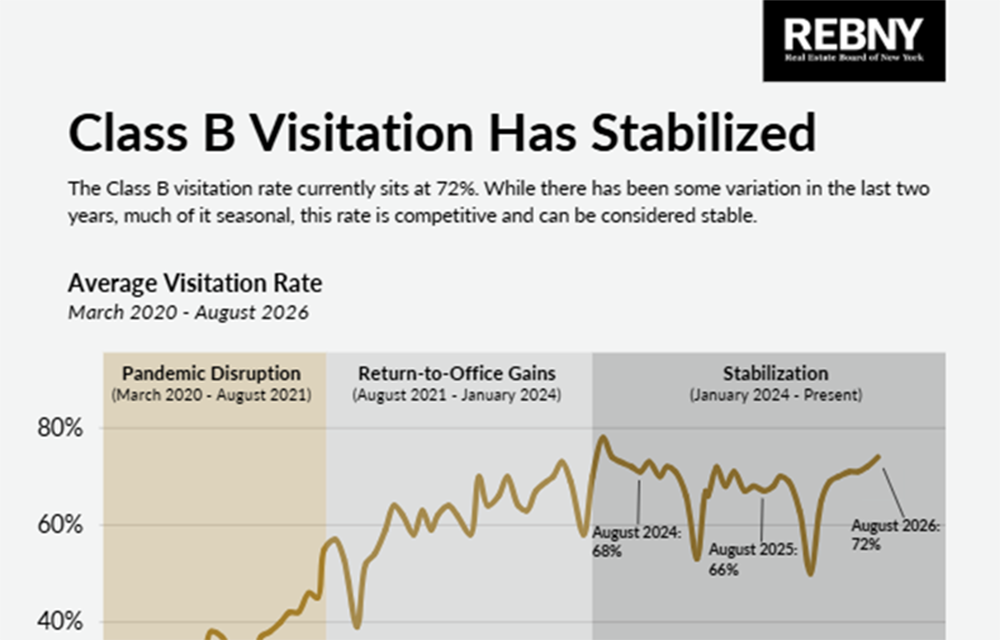
New York’s streets are full again, and the retail numbers prove it - by Noam Aziz
Walk down any New York block this year and you can feel it. The sidewalks are crowded, the storefronts are lit, and the energy that defines this city is back at full volume.

Hunt CRE question and answer: Choosing a real estate agent - by David Hunt
First, we will only work with one agent exclusively. The primary reason is that we want that agent to legally represent our client’s interests. In New York State, a real estate agent has a fiduciary
.gif)