



News:
Construction Design & Engineering
Posted: February 9, 2015
New York City right to know regulation: What you don't know can hurt
The Community Right to Know Regulation (RTK) was signed into New York City's ordinances under the Bloomberg administration in an effort to protect tenants, building personnel and emergency responders. In accordance with this law, every year on March 1st facilities that store or use potentially hazardous substances throughout New York City's five boroughs are required to file reports with the city's Department of Environmental Protection documenting hazardous substances on their property.
The Community Right to Know Act is vast in its scope of what and who is regulated. It defines a hazardous substance as "any chemical which is a physical hazard or a health hazard and which is listed on the hazardous substance list or special health hazard list." The list of chemicals regulated by this regulation is extensive. Chemicals such as percholorethylene and tetracholorethylene , glycol ethers, gas, oil, flammable liquids, hydrogen fluoride, anti-freeze, battery fluid and sulfuric acid, must be reported even if they are only on site for as little as one day.
This law is directed at both facility owners and/or tenants/leasees that fall into the following categories:
* Commercial buildings, businesses, hotels and nursing homes.
* Utilities, industrial or commercial enterprises.
* Auto body shops and automobile service stations.
* Dry cleaners.
* Funeral homes.
Every facility falling under this regulation is required to register their building, assess the building annually and document and report toxic substances and chemicals stored in their buildings that are over the maximum permissible limit defined by the law - the "Threshold Planning Reporting Quantity" (TPRQ). The reportable amounts are listed on NYCDEP's website and must be deciphered and then properly reported. If it is found that hazardous substances in your building exist above the reporting Threshold Planning Quantity (TPQ), you must not only pay a fee but also complete and file a Report Risk Management Plan for that facility. If the level of hazardous substances in your building facility is at or below the TRQ, an exemption may be filed. The facility may be eligible for an exemption.
The process for documentation and reporting is as follows:
* Annual visit performed by a qualified person, to the property to determine quantities of regulated hazardous substances on the NYC DEP lists.
* Research NYCDEP's website and designated lists to determine whether your specific building ingredient meets this standard, multiply the concentration weight percentage by the weight of the total mixture, then compare your number with the TRQ list.
* Report findings on-line via the Facility Inventory Form (FIF) and document properly.
* If hazardous substances are found to be above the thresholds, pay the required fee and prepare a Report Risk Management Plan for submission.
If you do not file, file incorrectly or fail to allow a DEP inspector to access your facility upon request, you can be assessed penalties up to $20,000 and jail time.
In general, multifamily buildings are exempt from the RTK law. However, multifamily buildings that have commercial tenants such as a dental office, coffee shop, dry cleaner or drug store, are required to register and, if applicable, report and file.
With DEP inspectors committed to enforce this regulation and the liability incumbent upon owners to properly file to insure the safety and welfare of their tenants, building personnel and emergency responders, this law should not be taken lightly.
Hiring a qualified, experienced environmental consultant to perform the annual audit of your building(s), report the findings, complete forms, prepare risk management plans and advise you on what to do is well advised for best practices, compliance, transfer of liability and to the reduce likelihood of fines.
To learn more about the regulation you can find info at www.nyc.gov/dep or on our website at www.alcenv.com. ALC Environmental is presently offering free informational seminars on how to comply with this law.
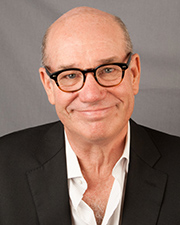
Josh Sarett is the founder and president of ALC Environmental, New York, N.Y.
MORE FROM Construction Design & Engineering

REBNY releases Q2 2026 New Building Construction Pipeline report
Manhattan, NY The Real Estate Board of New York (REBNY) released its New Building Construction Pipeline Report for Q2 2026. This report examines new building job application filings submitted to the Department of Buildings, providing historical comparisons and insights into the current state of development in New York City.


Columns and Thought Leadership

We support green construction. Just not this kind - by Tammy Smith
Most people think of St. Patrick’s Day as a fun footnote on the calendar. In construction logistics, however, it’s a full-scale operational variable — especially if your work touches major metro areas with major parades and, let’s call it what it is, enthusiastic celebrants.
Premium experiences, proven returns: The New revenue playbook for sports venues - by Terry McIntyre
Investing in the Fan Experience as a Revenue Strategy The sports and entertainment venues that bet on premium experiences years ago are now seeing those investments pay off in packed seats, increased revenue, and industry recognition.
