



News:
Brokerage
Posted: November 25, 2013
National Cooperative Bank originates 13 new loans totaling $20 million
National Cooperative Bank (NCB), a leading lender to cooperative housing throughout the tri-state area, arranged $20 million in new financing activity during September for 13 New York area properties, according to Edward Howe III, managing director of the bank's New York office.
"During September, an additional 13 New York area cooperatives worked with the bank to arrange new financing solutions for their properties," said Howe. "These cooperatives and many others are utilizing these tailored financing packages to help ensure their communities financial health for years to come."
Financing highlights in September included:
* Howe arranged $2.2 million in new financing activity, including a $2 million third mortgage for Ocean Harbor Club Owners, Inc., a 92-unit co-op located at 4 Rose St. in Oceanside.
* NCB senior vice president Sheldon Gartenstein originated more than $3.2 million in new loans, including a $1.4 million first mortgage and a $500,000 line of credit for 532 West Owners Corp., a 40-unit co-op located at 532 West 111th St. in Manhattan.
* NCB senior vice president Mindy Goldstein arranged more than $14 million in new loans, including a $4.3 million first mortgage for Tanglewood Terrace at Smithtown Corp., a 48-unit co-op located at 365 Rte. 111 in Smithtown.
As a full-service financial institution, NCB provides term loans, lines of credit, commercial and residential mortgages and personal and business banking products to cooperatives nationwide. NCB offers an array of business banking products for cooperatives including cash management, competitive deposit rates and full service payment processing and lockbox.
Tags:
Brokerage
MORE FROM Brokerage
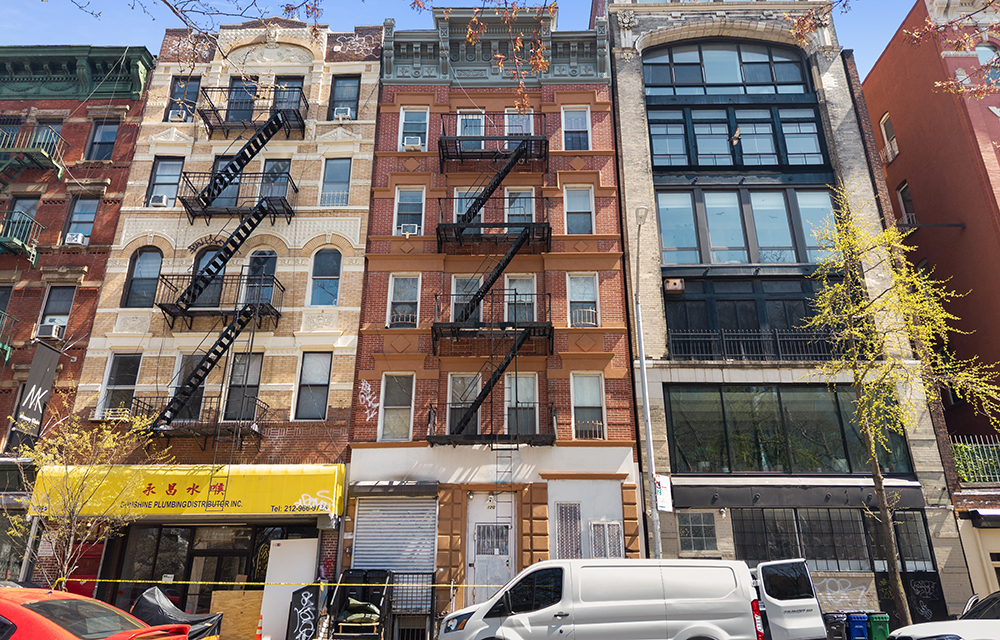
Investment Property Realty Group sells 120 Forsyth St. for $1.35 million
Manhattan, NY Investment Property Realty Group (IPRG) closed the sale of 120 Forsyth St., a mixed-use building located in the Lower East Side section of the city, for $1.35 million.




 (2).gif)

Columns and Thought Leadership

A guide to finding the right NYC property management company - by Sanjay Gandhi
Being a small to midsize landlord in NYC is an increasingly demanding endeavor. From navigating complex regulations, increased compliance demands to dealing with tenant issues and remediating violations. It is wise to enlist the assistance of a partner, a professional

Positive forecast for New York’s pro-housing push? - by Philip Butler
New York’s housing crisis remains a hot button topic despite growing consensus that varied and affordable housing is desperately needed statewide. Governor Hochul has recently introduced several initiatives to overcome N.Y.’s anti-housing

Hunt commercial real estate question and answer: Fortune 500 wisdom - by David Hunt
Yes, there are lessons to be learned from the largest companies in America when comes to managing your real estate. But the decision to buy or lease real estate may not be one of

New York’s streets are full again, and the retail numbers prove it - by Noam Aziz
Walk down any New York block this year and you can feel it. The sidewalks are crowded, the storefronts are lit, and the energy that defines this city is back at full volume.
.gif)