



News:
Brokerage
Posted: May 7, 2019
National Association of Realtors attends White House Opportunity Zone event April 19th - by Erin Stackley
National Association of Realtors’s 2019 commercial liaison, Bob Turner from Memphis, TN, represented NAR at a White House event on the Qualified Opportunity Zones (QOZ) program on Wednesday, April 17th. The QOZ program was created in the 2017 Tax Cuts and Jobs Act to revitalize underserved communities by providing tax incentives for certain investments into them, to promote development and create jobs. In connection with the event, the Treasury department released the much-anticipated second round of proposed rules for the program, which provide more specific detail on how investors can participate in the program and receive the full tax benefits it offers.
The keynote speaker of the White House event was the President, who emphasized the administration’s commitment to the success of the program, to drive economic growth through long-term investments in underserved areas, designated as Opportunity Zones. Under the program, taxpayers who reinvest capital gains from a previous sale into a fund for investing into a QOZ are eligible to defer paying taxes on those gains, and can potentially reduce their tax liability by 10 – 15% (based on the amount of time they hold the investment). Additionally, if the investment is held for at least ten years, any appreciation on it is tax-free. Housing and urban development secretary Ben Carson and treasury secretary Steven Mnuchin also spoke at the event.
This second round of rulemaking builds off previous proposed rules released in October 2018, fleshing out and clarifying many aspects of the program. They include:
• Guidance on how to define the “original use” of a property in a QOZ, including vacant properties;
• How to count inventory of a QOZ business (which may not be physically in the QOZ, or may be sold to customers outside of it) when determining QOZ business property;
• The treatment of leased property within a QOZ for purposes of satisfying the program’s requirements;
• How to meet the requirement that QOZ businesses derive 50% of their gross income from business activity in a QOZ;
• Treatment of a QOZ business that straddles a QOZ; and
• Clarity on and examples of events that cause inclusion of a deferred gain (a triggering event to pay capital gains taxes on reinvested gains) and the flexibility funds have to reinvest interim gains.
NAR will be analyzing the proposed rules and providing updated information on them in the coming days. For more information on this topic, visit the Qualified Opportunity Zones page at https://www.nar.realtor/qualified-opportunity-zones.
Erin Stackley is a senior representative, commercial legislative policy for National Association of Realtors, New York, N.Y.
Tags:
Brokerage
MORE FROM Brokerage
United Properties Corp. expands Wisconsin and Illinois retail presence adding 200,000 s/f
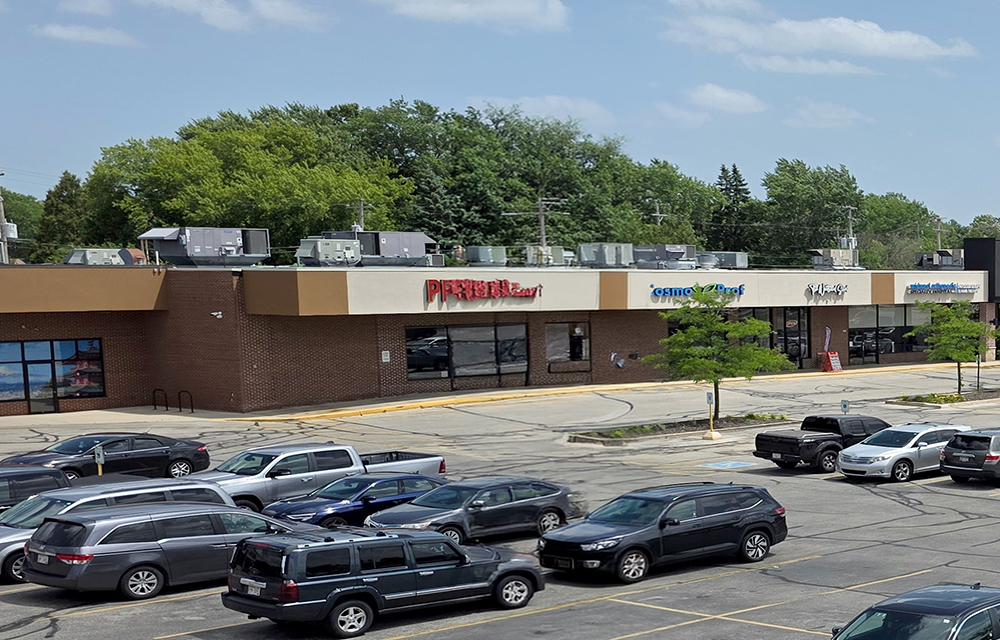
West Allis, WI United Properties Corp. completed two retail acquisitions totaling $27.4 million across Illinois and Wisconsin, adding 205,000 s/f of shopping center space to its portfolio





Quick Hits
 (2).gif)

Columns and Thought Leadership

Positive forecast for New York’s pro-housing push? - by Philip Butler
New York’s housing crisis remains a hot button topic despite growing consensus that varied and affordable housing is desperately needed statewide. Governor Hochul has recently introduced several initiatives to overcome N.Y.’s anti-housing

Hunt commercial real estate question and answer: Fortune 500 wisdom - by David Hunt
Yes, there are lessons to be learned from the largest companies in America when comes to managing your real estate. But the decision to buy or lease real estate may not be one of

New York’s streets are full again, and the retail numbers prove it - by Noam Aziz
Walk down any New York block this year and you can feel it. The sidewalks are crowded, the storefronts are lit, and the energy that defines this city is back at full volume.

A guide to finding the right NYC property management company - by Sanjay Gandhi
Being a small to midsize landlord in NYC is an increasingly demanding endeavor. From navigating complex regulations, increased compliance demands to dealing with tenant issues and remediating violations. It is wise to enlist the assistance of a partner, a professional
.gif)