



News:
Brokerage
Posted: July 10, 2009
Mutual of America earns LEED EB Silver for 320 Park Ave.; JLL managed energy, sustainability process
According to Mutual of America Life Insurance Co., its headquarters building at 320 Park Ave. has earned LEED Silver certification. The 750,000 s/f Mutual of America building, which has also earned the Energy Star label in six of the past seven years, is now one of the highest-rated buildings in N.Y. to meet the LEED program's Existing Building or Operations & Maintenance (EB-OM) standard.
Jones Lang LaSalle, which serves as property manager of 320 Park Ave. for Mutual of America, was enlisted by the retirement insurer in January 2008 to develop a strategy to obtain LEED certification for the headquarters property. The Silver certification places the Mutual of America Building at the forefront of Manhattan's class A office buildings in terms of compliance with Mayor Michael Bloomberg's "Greener, Greater Buildings Plan." The proposal would increase the focus on energy conservation and the reduction of carbon emissions in all office buildings greater than 50,000 s/f.
LEED was developed by the U.S. Green Building Council to transform the building industry to sustainable practices. The LEED rating system is the nationally accepted benchmark for the design, construction and operation of high performance green buildings. The ratings recognize buildings that satisfy specific green building and maintenance standards, including water efficiency, energy and atmosphere, and indoor environmental quality. Buildings are recognized in two categories: existing buildings that meet these standards and newly constructed buildings.
"Mutual of America is honored to be recognized by the U.S. Green Building Council for our ongoing commitment to the environment," said Thomas Moran, chairman, president and CEO of Mutual of America. "Our company and its employees are dedicated to using smart technologies and creating innovative solutions that preserve and protect our environment for future generations."
"Mutual of America has been at the forefront of efforts to reduce the environmental impact of its real estate portfolio," said Scott Robinson, senior VP with Jones Lang LaSalle. "The company recognizes that an energy-efficient office building operated in a sustainable manner promotes the health of its employees and reduces expenses significantly."
Key enhancements at the 35-floor headquarters building, which was re-constructed in 1995, included instituting green building exterior management practices; reducing indoor potable water by 10% over EPA 1992 standards; purchasing green office materials, including cleaning paper products and light bulbs; conducting an energy study to help increase energy efficiency and reduce energy costs; and devising a thorough preventative maintenance program.
The building also tested all major building equipment through a process called Retro-Commissioning to ensure optimal performance of building systems and reduced energy use.
In addition to being LEED Silver certified, the Mutual of America building was one of only five Manhattan office buildings awarded the Energy Star label in 2008. This marks the sixth time that the property has received such recognition since the award was first announced for commercial office buildings in 1999; it was also recognized in 2002 and from 2004 through 2007.
The Energy Star program is an initiative of the U.S. Environmental Protection Agency and the U.S. Department of Energy to assist citizens and businesses to save money and protect the environment through energy efficient products and practices. Office buildings that earn the Energy Star label typically use about 35 percent less energy than average buildings.
About Mutual of America Life Insurance Company
Since 1945, Americans have turned to Mutual of America to help them plan for their retirement and meet their long-term financial objectives. Today, as in the past, Mutual of America remains financially strong, and is rated among the strongest companies in the life insurance industry by the major independent rating agencies. The Company is committed to providing quality products and services to help its customers build and preserve assets for a financially secure future.
Tags:
Brokerage
MORE FROM Brokerage
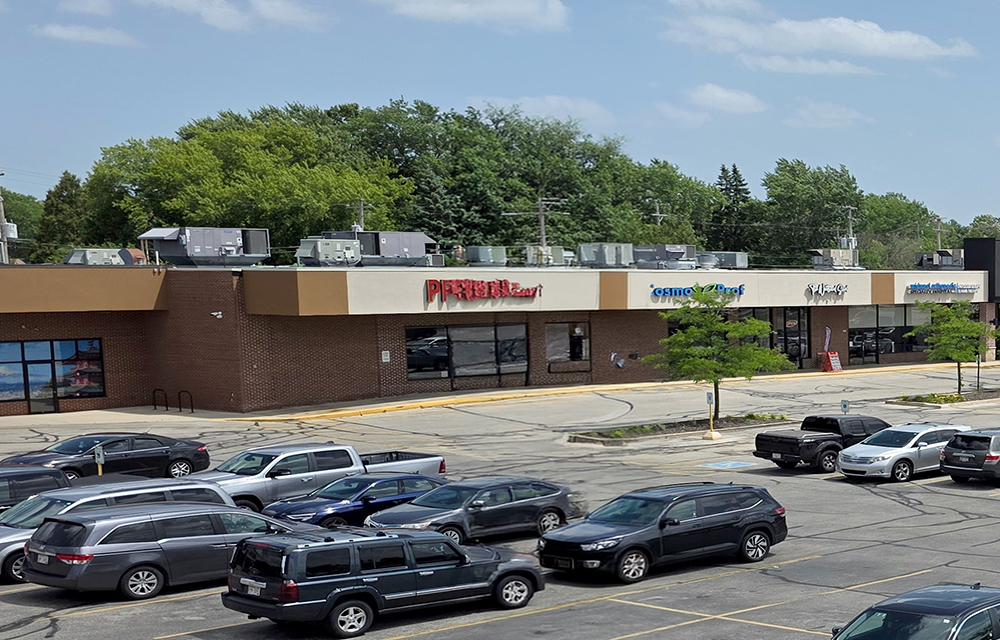
United Properties Corp. expands Wisconsin and Illinois retail presence adding 200,000 s/f
West Allis, WI United Properties Corp. completed two retail acquisitions totaling $27.4 million across Illinois and Wisconsin, adding 205,000 s/f of shopping center space to its portfolio



Quick Hits
 (2).gif)

Columns and Thought Leadership

New York’s streets are full again, and the retail numbers prove it - by Noam Aziz
Walk down any New York block this year and you can feel it. The sidewalks are crowded, the storefronts are lit, and the energy that defines this city is back at full volume.

Positive forecast for New York’s pro-housing push? - by Philip Butler
New York’s housing crisis remains a hot button topic despite growing consensus that varied and affordable housing is desperately needed statewide. Governor Hochul has recently introduced several initiatives to overcome N.Y.’s anti-housing

Hunt commercial real estate question and answer: Fortune 500 wisdom - by David Hunt
Yes, there are lessons to be learned from the largest companies in America when comes to managing your real estate. But the decision to buy or lease real estate may not be one of

A guide to finding the right NYC property management company - by Sanjay Gandhi
Being a small to midsize landlord in NYC is an increasingly demanding endeavor. From navigating complex regulations, increased compliance demands to dealing with tenant issues and remediating violations. It is wise to enlist the assistance of a partner, a professional
.gif)