



News:
Brokerage
Posted: March 12, 2024
Moritt Hock & Hamroff appoints first chairman and names managing partner
Garden City, NY Marc Hamroff, who had been managing partner of Moritt Hock & Hamroff LLP for over 25 years, is assuming the role of chairman. Michael Cardello III, a long-standing member of the firm’s management committee and former chair of the litigation practice, has been elected managing partner. Leadership at the firm established the focus of the chairman to be spearheading client service, overseeing the firm’s long-term vision and executing its long-term plan.
In making the announcement, Hamroff said, “We have experienced significant growth in the past few years and Michael has been an important part of that expansion. He has been part of our team since 1997 and has earned the respect and trust of all who have worked with him. Going forward, I cannot think of anyone who is better equipped to assume this role.”
Cardello said, “I am humbled that my partners had the confidence to allow me to continue in the footsteps of my mentor and friend. Under Marc’s leadership, our firm has become a real force in the legal industry, and I expect the growth that we have seen to only accelerate in the coming years. As chairman, Marc will continue to be a major presence in the firm, and moving forward, will continue to impart his vast experience and knowledge with our leadership team.”
Hamroff pointed out that the move will allow him to focus more on his client base, which has been expanding rapidly in recent years along with spearheading the firm’s long-term vision and plan. He said, “It is still a great thrill for me to mentor our lawyers and future firm leaders in furtherance of the long-term success of the firm. My new role will also provide me with more time to focus on serving the needs of our clients. It is always gratifying to feel that you are an important part of both our firm and our clients success.”
Tags:
Brokerage
MORE FROM Brokerage
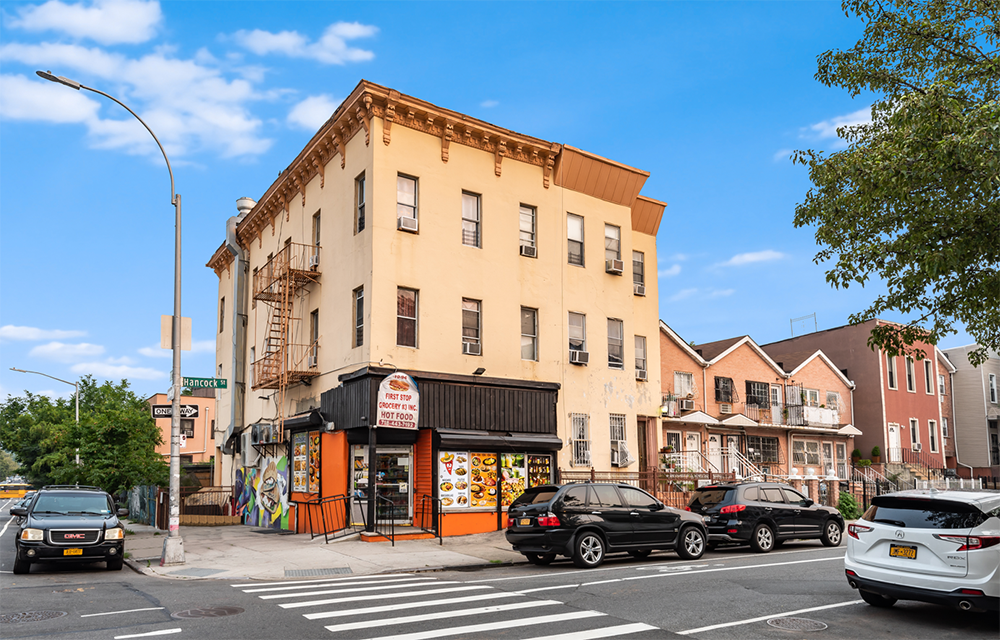
Investment Property Realty Group closes $1.75 million sale of 1094 Hancock Street in Brooklyn
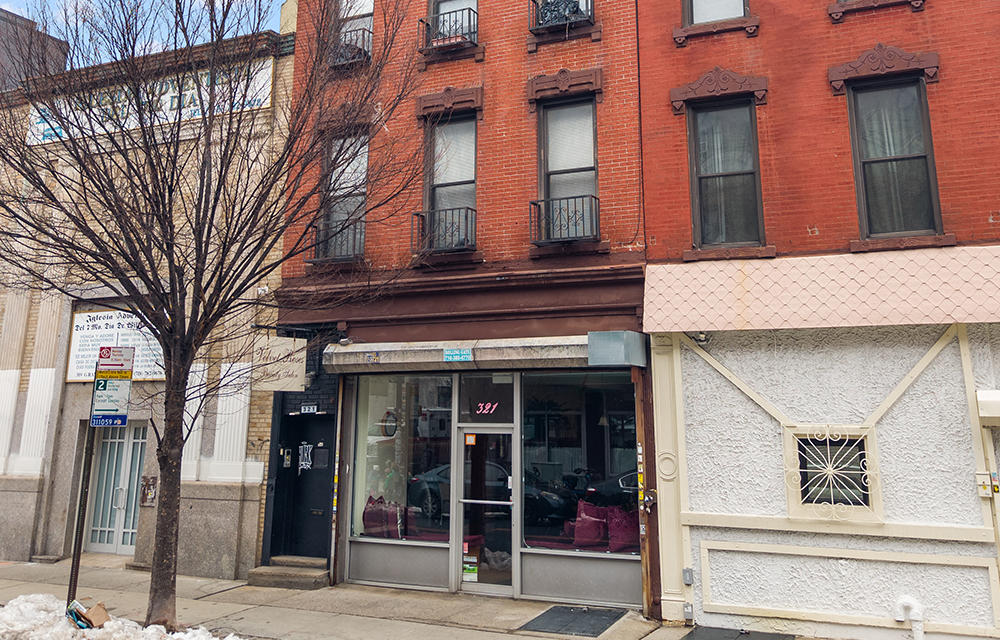
Brooklyn, NY Investment Property Realty Group (IPRG), a New York-based commercial investment firm, has closed the sale of 1094 Hancock St., a mixed-use building in the Bushwick section, for $1.75 million.


Quick Hits
 (2).gif)

Columns and Thought Leadership

New York’s streets are full again, and the retail numbers prove it - by Noam Aziz
Walk down any New York block this year and you can feel it. The sidewalks are crowded, the storefronts are lit, and the energy that defines this city is back at full volume.

Hunt commercial real estate question and answer: Fortune 500 wisdom - by David Hunt
Yes, there are lessons to be learned from the largest companies in America when comes to managing your real estate. But the decision to buy or lease real estate may not be one of

Hunt CRE question and answer: Choosing a real estate agent - by David Hunt
First, we will only work with one agent exclusively. The primary reason is that we want that agent to legally represent our client’s interests. In New York State, a real estate agent has a fiduciary

A guide to finding the right NYC property management company - by Sanjay Gandhi
Being a small to midsize landlord in NYC is an increasingly demanding endeavor. From navigating complex regulations, increased compliance demands to dealing with tenant issues and remediating violations. It is wise to enlist the assistance of a partner, a professional
.gif)