



News:
Spotlight Content
Posted: December 22, 2014
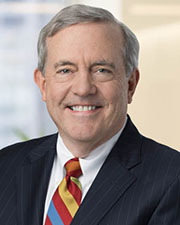
Michael Eng, Garfunkel Wild, P.C.
What was the best thing that happened to you or your firm in 2014?
As a real estate lawyer at a firm which focuses much of its attention on the healthcare arena, I was fortunate to be involved in the Long Beach Hospital bankruptcy disposition which included significant real property assets. As a Long Island native, it was hard to observe how superstorm Sandy crippled access to healthcare in many areas. It was rewarding to participate in a transaction that preserved the charitable mission of the struggling hospital.
in its conveyances to another local community medical center.
What was your most notable project, deal, transaction or personal achievement in 2014?
I had the privilege of representing the purchaser of a portfolio of nursing homes, valued at over $119 million. It was an incredibly rewarding experience as it was a transaction that took us across several state lines, involved complex financings, and provided great educational exercises in handling unique title, property line and other survey issues.
What are you looking forward to accomplishing in 2015?
I am hoping to be at the forefront of my peers in the handling of the unique needs of healthcare individuals and institutions as it relates to real estate. The ever changing regulatory environment often transforms the "routine" or "cookie cutter" transaction into a complex series of moving parts and I am excited to be involved with such transactions.
What are some of your real estate predictions for 2015?
As New York continues to implement the Delivery System Reform Incentive Payment (DSRIP) Program to the State's healthcare providers, I anticipate that health care clients will be affiliating and working more closely together. That synthesis of operation will mean location consolidation. In addition, appealing interest rates and a resurgence in the banking industry's desire to lend will likely cause continued growth in the commercial acquisition marketplace.
Tags:
Spotlight Content
MORE FROM Spotlight Content
Artificial intelligence war stories - by Thomas Kearns
The proliferating artificial intelligence products for law firms show promise of improving the quality of legal services and making lawyers more efficient, but as with any developing technology, the results are mixed, with some results being not worth



.png)



Columns and Thought Leadership

2026 Developing Queens: Long Island Board of Realtors advances commercial growth and advocacy in Queens
The Long Island Board of Realtors (LIBOR) Commercial Network continues to play a key role in advancing opportunities and strengthening the commercial real estate landscape across Queens. Through targeted programming and global outreach

From vacancy to vitality: How adaptive reuse is reshaping Long Island’s CRE landscape - by Andrea Tsoukalas Curto
Adaptive reuse has become one of the most important conversations in commercial real estate today. Long Island has a large inventory of aging retail, office and industrial

Properly serving a lien law Section 59 Demand - by Bret McCabe
Many attorneys operating within the construction space are familiar with the provisions of New York Lien Law, which allow for the discharge of a Mechanic’s Lien in the event the lienor does not commence an action to enforce following the service of a “Section 59 Demand”.

CRE Guide Featured Company: Merritt Environmental Consulting Corp.
Merritt Environmental Consulting Corp. (MECC) was established in June of 2009 after being part of a larger engineering firm for almost 20 years. The focus of the company is to assist lending institutions, attorneys, real estate investors, and property owners with environmental concerns. Today, MECC has offices in New York, Florida, and Vermont and has grown into a regional consulting firm serving clients along the East Coast.
September Promotion
