



News:
Brokerage
Posted: May 11, 2009
Michael D. Szerbaty + Associates designs $1.3 million midtown conference center for Cornell University's ILR
Cornell University's School of Industrial and Labor Relations (ILR), the internationally recognized educational institution that offers professional development programs focused on diverse aspects of the world of work, now has a newly renovated conference center designed by Michael D. Szerbaty + Associates Architecture (MDSA). The center expanded public areas, conference rooms and teaching facilities offer an upgraded learning environment for the leaders in management, human resources, labor, conflict resolution and the workplace that its programs serve.
ILR officials commissioned the project to assure the center's ongoing preeminence. The goal of the renovation was to enhance the educational experience for clients of the ILR School, improve the quality of the environment and provide comfortable teaching and public spaces supported by the latest technology. The cost of the project is $1.3 million.
MDSA began the project by rethinking the center's layout and then used a palette of materials to create a strong sense of substance and place. What visitors will notice first is the elevator entry with its horizontally detailed wood paneling, stone floor and window display areas for program information. They move from there into an open, enlarged reception area which in turn flows into the facility's center. By making some walls waist height and replacing others with floor-to-ceiling glass, conference attendees can have a quick take on who is there and find room for a quick conversation or meeting.
A glass-walled resource center that contains eight carrels with computers and most of the center's research books replaces what had been a closed off library. Opposite is the dining area whose waist-height wall, sheathed in dark gray Corian with horizontal detailing, opens the space. The low wall allows views of the perimeter windows that introduce natural light and a visual connection with the city outside. A small conference room, which has a translucent window, is suitable for smaller group activities, around a board style table. Extending the length of the space is the main corridor which is concluded by a large conference room at one end and a series of the classrooms at the other.
"The materials we chose - glass, wood, and stone - serve triple duty," said Michael Szerbaty, ILR's architect. "We wanted to give the center a subtle sense of richness and contrast which visitors experience as soon as they step off the elevator. The use of opaque, transparent and translucent glass offers both obvious and quiet suggestions of how various areas are connected. And since the center is used from 8 a.m. to 9 p.m. throughout the work week, we wanted materials that would stand the test of time and consistent use."
MDSA unified the space using a china white wall color; textured, wheat colored carpet and a hung ceiling throughout the center. Color accents come from the tables and burnt orange seat cushions of the chairs the firm selected. Most areas have reflective lighting, and horizontal detailing reinforces the sense of movement. The not-so-visible changes in the center's technology infrastructure assure that it can offer full support for its educational programs. A distance learning room now has multiple camera and projector locations and individual audio controls, and other classrooms have the latest projection equipment and motorized screens. The HVAC systems have also been updated to improve air quality and control in each space.
This project is the latest in a series of teaching, conference and research facilities that MDSA has designed for ILR and Cornell University. The first were an academic building, library and conference center on Cornell University's Ithaca campus, which totaled $31 million.
Tags:
Brokerage
MORE FROM Brokerage
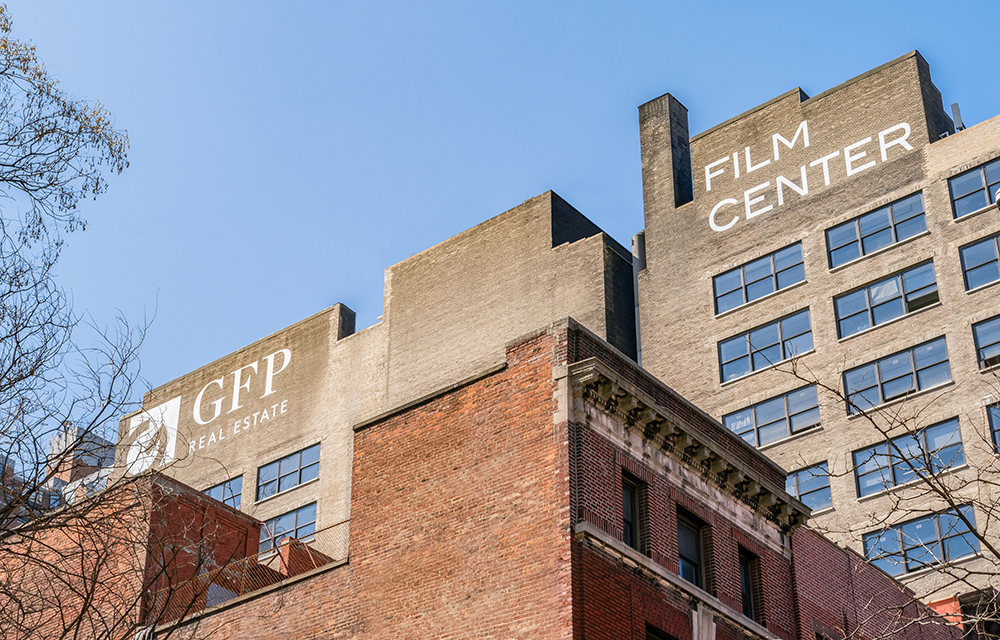
GFP Real Estate signs 11,078 s/f of leasing activity at 630 Ninth Ave.
Manhattan, NY GFP Real Estate closed three office leasing transactions totaling 11,078 s/f at 630 Ninth Ave. in Midtown, including a new lease with Irish Arts Center and extensions by existing


Quick Hits

Columns and Thought Leadership

Positive forecast for New York’s pro-housing push? - by Philip Butler
New York’s housing crisis remains a hot button topic despite growing consensus that varied and affordable housing is desperately needed statewide. Governor Hochul has recently introduced several initiatives to overcome N.Y.’s anti-housing

New York’s streets are full again, and the retail numbers prove it - by Noam Aziz
Walk down any New York block this year and you can feel it. The sidewalks are crowded, the storefronts are lit, and the energy that defines this city is back at full volume.

A guide to finding the right NYC property management company - by Sanjay Gandhi
Being a small to midsize landlord in NYC is an increasingly demanding endeavor. From navigating complex regulations, increased compliance demands to dealing with tenant issues and remediating violations. It is wise to enlist the assistance of a partner, a professional

Hunt commercial real estate question and answer: Fortune 500 wisdom - by David Hunt
Yes, there are lessons to be learned from the largest companies in America when comes to managing your real estate. But the decision to buy or lease real estate may not be one of
.gif)
September Promotion
