



News:
Brokerage
Posted: May 11, 2009
Meet the New CIREB Members
Laurie Tylenda joined CB Richard Ellis/Albany in 2005. Her primary scope of business is focused on client relocations, expansions, consolidations and/or acquisitions. Her goal is to ensure that clients make the most informed site selection decisions by developing an in-depth understanding of client requirements, conducting comprehensive market analyses, preparing site assessments, developing creative solutions, and supporting transaction negotiations.Steve Hoffman is a licensed sales associate with Trinity Realty Group (TRG) based in Albany. TRG specializes in the leasing and brokerage of real estate as well as tenant representation and property management. Hoffman graduated from McDaniel College in Westminster, Maryland with a bachelor of arts degree in Communications. Garnering All American status in high school and college lacrosse, he looks to achieve like-success in the commercial real estate field.
Tags:
Brokerage
MORE FROM Brokerage
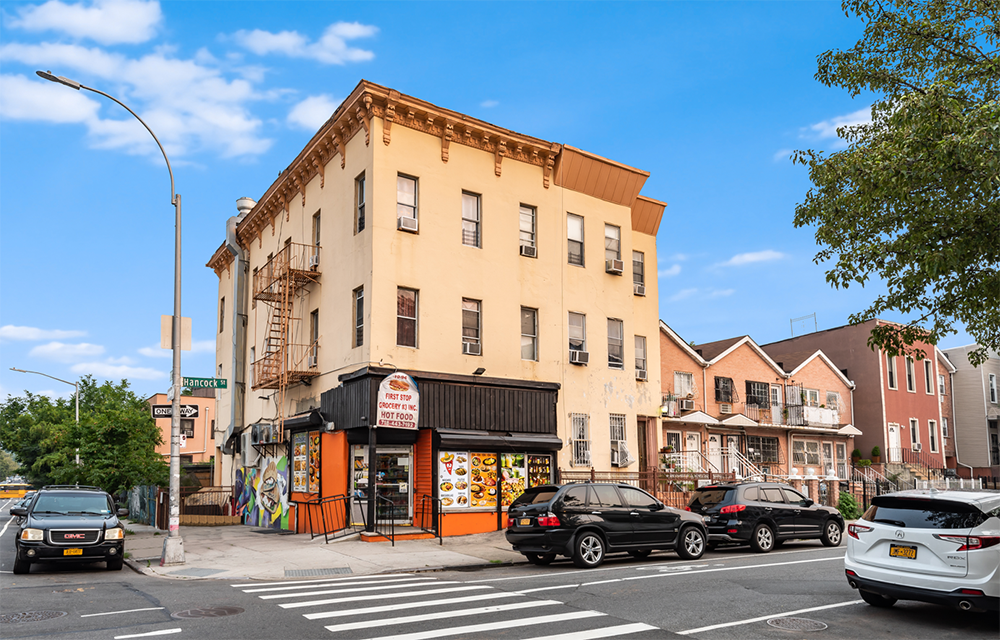
Investment Property Realty Group closes $1.75 million sale of 1094 Hancock Street in Brooklyn
Brooklyn, NY Investment Property Realty Group (IPRG), a New York-based commercial investment firm, has closed the sale of 1094 Hancock St., a mixed-use building in the Bushwick section, for $1.75 million.



Quick Hits
 (2).gif)

Columns and Thought Leadership

Hunt commercial real estate question and answer: Fortune 500 wisdom - by David Hunt
Yes, there are lessons to be learned from the largest companies in America when comes to managing your real estate. But the decision to buy or lease real estate may not be one of

New York’s streets are full again, and the retail numbers prove it - by Noam Aziz
Walk down any New York block this year and you can feel it. The sidewalks are crowded, the storefronts are lit, and the energy that defines this city is back at full volume.

Hunt CRE question and answer: Choosing a real estate agent - by David Hunt
First, we will only work with one agent exclusively. The primary reason is that we want that agent to legally represent our client’s interests. In New York State, a real estate agent has a fiduciary

A guide to finding the right NYC property management company - by Sanjay Gandhi
Being a small to midsize landlord in NYC is an increasingly demanding endeavor. From navigating complex regulations, increased compliance demands to dealing with tenant issues and remediating violations. It is wise to enlist the assistance of a partner, a professional
.gif)