



News:
Brokerage
Posted: May 20, 2026
Marcus & Millichap releases new single-tenant retail reports as industry gathers at ICSC Las Vegas
Calabasas, CA Marcus & Millichap has published two new national research reports highlighting continued strength in the U.S. single-tenant net-lease (STNL) retail sector as retail real estate professionals gather at the ICSC Las Vegas conference.
The reports, Single-Tenant Net Lease Retail 1H/26 National Report and the May 2026 U.S. Single-Tenant Net-Lease Retail Investment Report, found that STNL retail transaction activity rose sharply in 2025, with transaction count up 23% year over year and dollar volume increasing 20%. The reports also note that vacancies remain below long-term averages while construction activity is near historic lows.
“Despite ongoing economic uncertainty, investor demand for high-quality net-lease retail assets remains exceptionally strong,” said Gregory LaBerge, chief client officer, Marcus & Millichap. “Retailers focused on necessity, convenience and value continue to expand, supporting long-term fundamentals across the sector.”
According to the reports, private investors accounted for approximately 75% of buyer dollar volume in STNL retail transactions, while investors continue to favor assets with strong tenant credit and long-term lease structures.
“The reset and recovery in the single-tenant market continues despite macroeconomic headwinds and higher-than-expected interest rates,” said Hessam Nadji, president and chief executive officer, Marcus & Millichap. “Prices have recalibrated while financing conditions have improved, fueling more activity. More buyers see a compelling acquisition window, driven by a meaningful gap to replacement cost and limited new development. As a result, realistically priced assets attract multiple offers.”
Marcus & Millichap professionals are attending ICSC Las Vegas and are available at Booth #4307Q, Las Vegas Convention Center, to discuss current retail investment trends and opportunities.
MORE FROM Brokerage
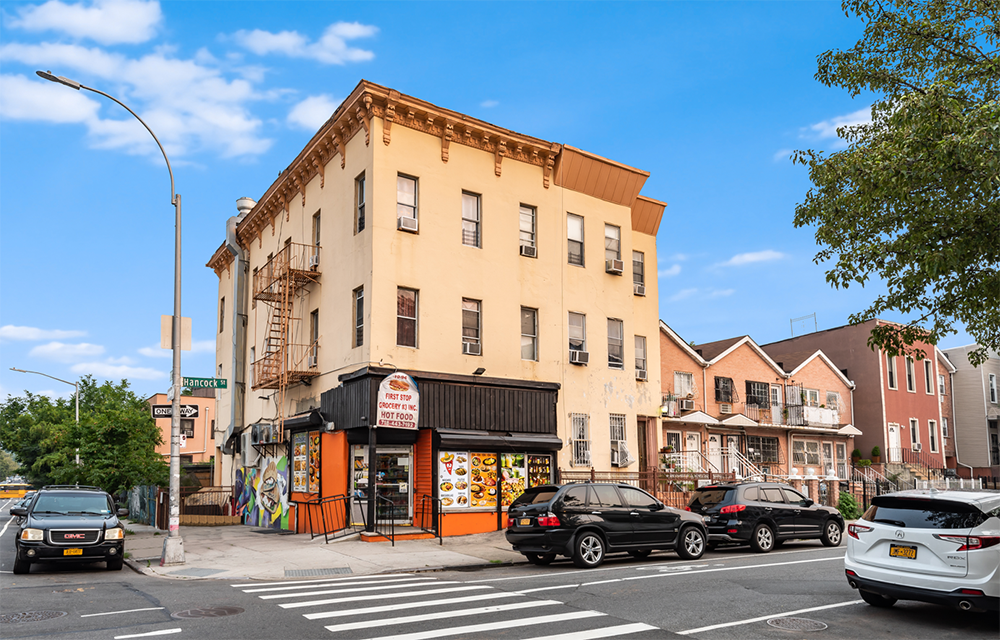
Investment Property Realty Group closes $1.75 million sale of 1094 Hancock Street in Brooklyn
Brooklyn, NY Investment Property Realty Group (IPRG), a New York-based commercial investment firm, has closed the sale of 1094 Hancock St., a mixed-use building in the Bushwick section, for $1.75 million.



Quick Hits
 (2).gif)

Columns and Thought Leadership

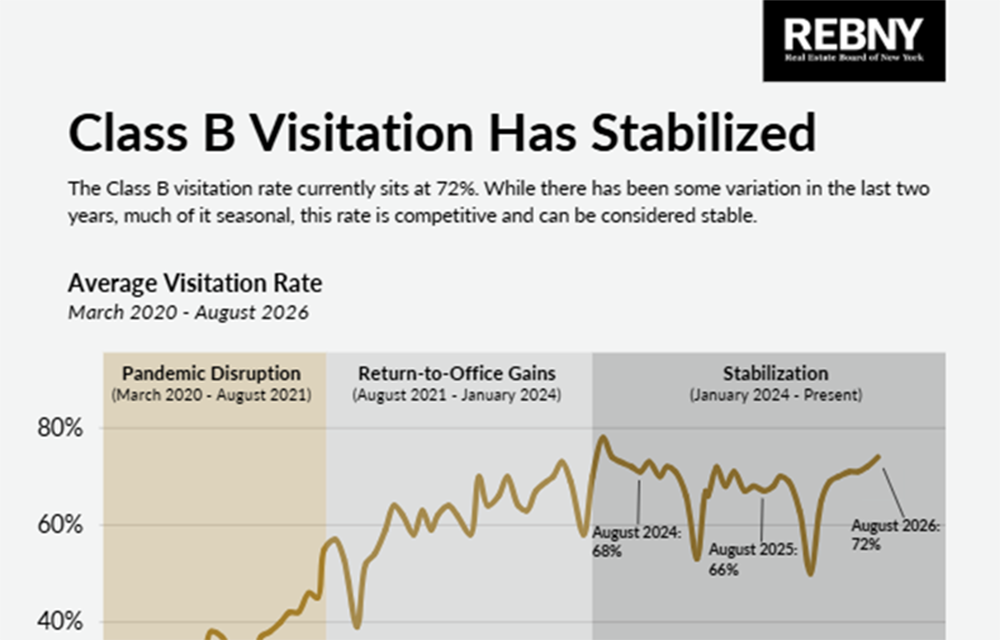
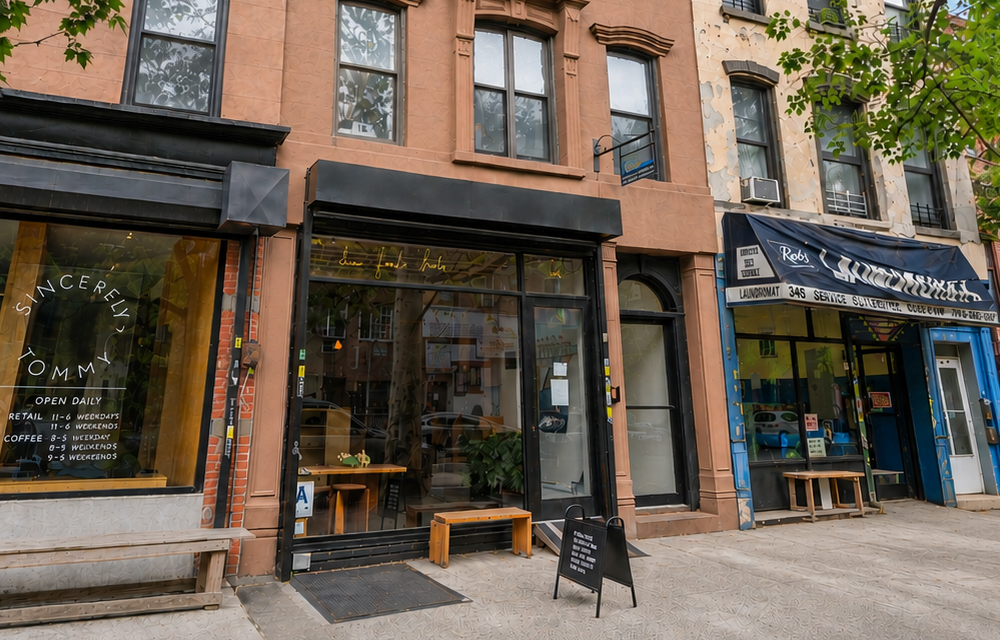
New York’s streets are full again, and the retail numbers prove it - by Noam Aziz
Walk down any New York block this year and you can feel it. The sidewalks are crowded, the storefronts are lit, and the energy that defines this city is back at full volume.

Hunt CRE question and answer: Choosing a real estate agent - by David Hunt
First, we will only work with one agent exclusively. The primary reason is that we want that agent to legally represent our client’s interests. In New York State, a real estate agent has a fiduciary

Hunt commercial real estate question and answer: Fortune 500 wisdom - by David Hunt
Yes, there are lessons to be learned from the largest companies in America when comes to managing your real estate. But the decision to buy or lease real estate may not be one of

A guide to finding the right NYC property management company - by Sanjay Gandhi
Being a small to midsize landlord in NYC is an increasingly demanding endeavor. From navigating complex regulations, increased compliance demands to dealing with tenant issues and remediating violations. It is wise to enlist the assistance of a partner, a professional
.gif)