Marcus & Millichap





Brooklyn, NY According to John Horowitz, VP - regional manager of Marcus & Millichap, the firm has brokered three deals totaling $7.76 million. The deals include the following:
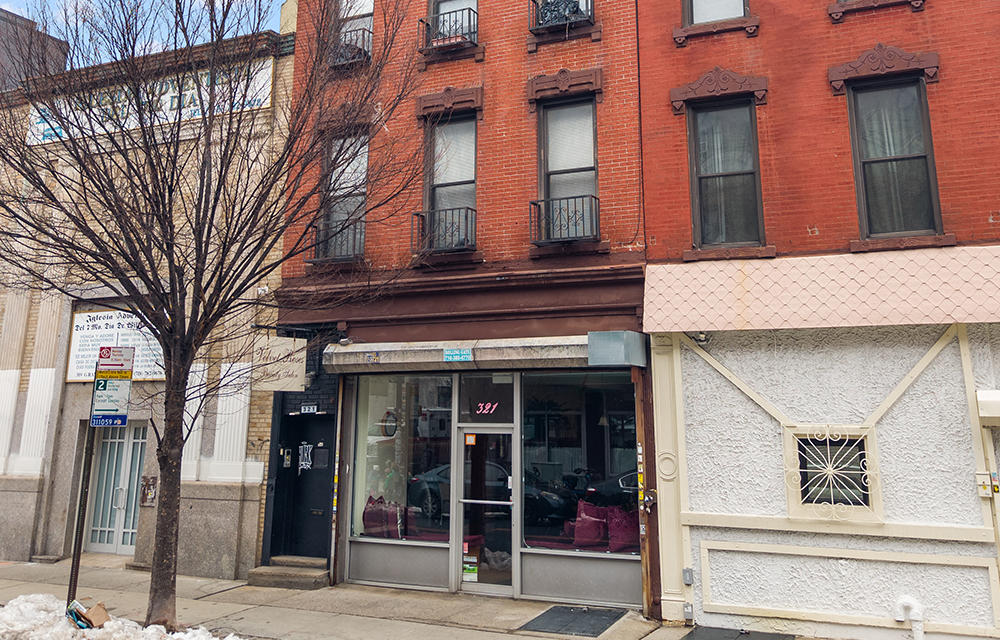
• The $2.35 million sale of 275 Prospect Park West, a 4,800 s/f mixed-use property. The asset sold for $2.35 million. Jakub Nowak, Matthew Rosenzweig and Jesse Kay, in Marcus & Millichap, had the exclusive listing to market the property on behalf of the seller, a private investor. The buyer, a private investor, was also secured and represented by the team. “Despite a softening market for rent stabilized assets, our team just closed 275 Prospect Park West at $2.35 million. The interest we generated around this deal indicates that there is still a strong demand for value add rent stabilized buildings,” said Kay.
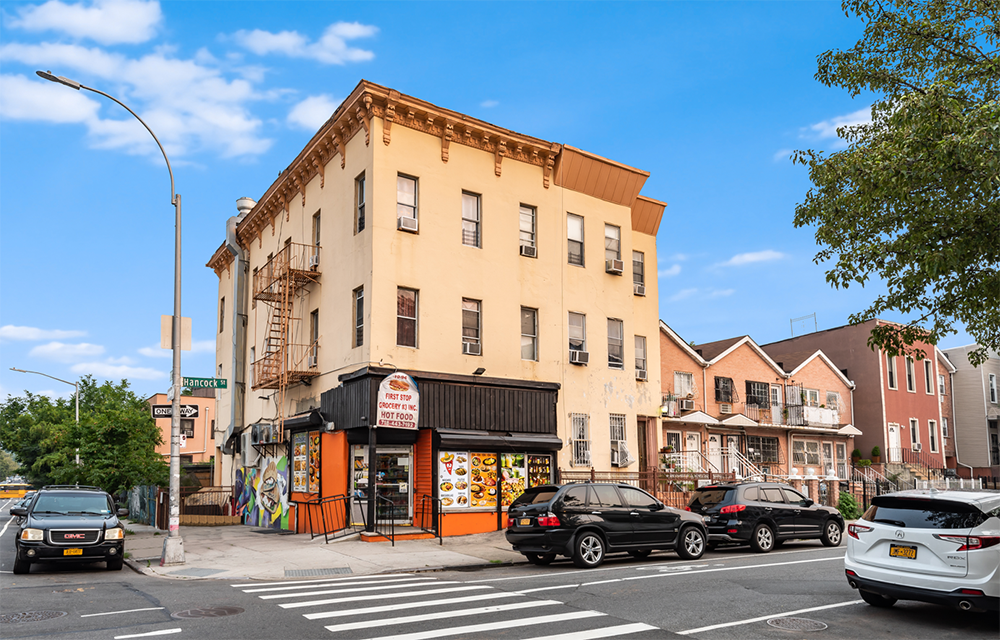
• The $1.31 million sale of 2761 East 15th St,, a six-unit apartment property. John Brennan and Victor Holguin, in Marcus & Millichap, had the exclusive listing to market the property on behalf of the seller, a private investor. The buyer, a private investor, was also secured and represented by the team. “We were the third broker to take the listing, and finally able to achieve premium pricing for the seller, ending up below a 4% cap rate and roughly $257 per s/f. This was the second Sheepshead Bay six family to sell in 2018, a market that continues to see a flood of over-priced inventory and hesitation from buyers,” said Holguin.
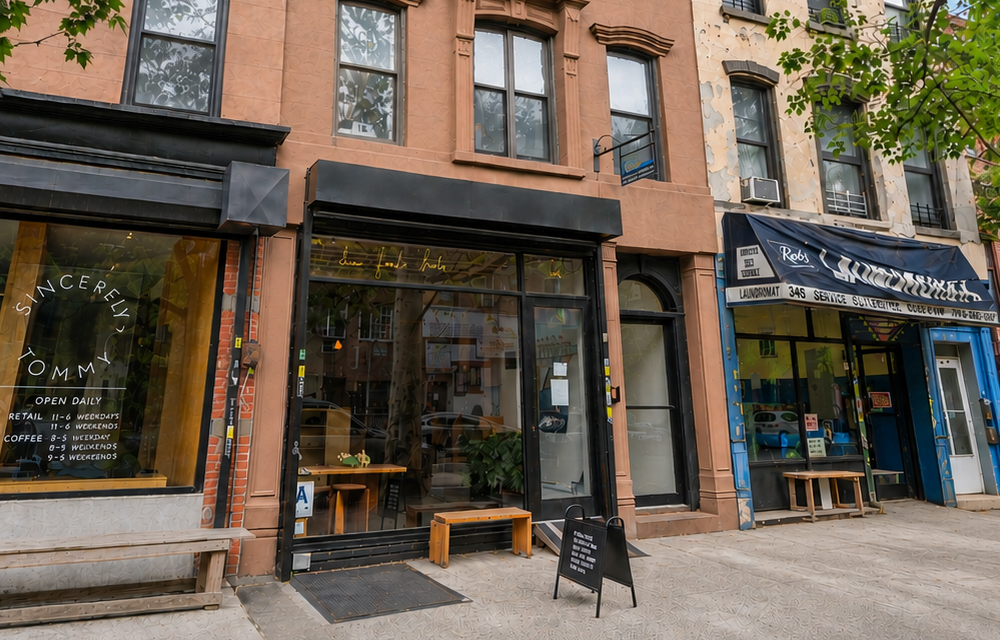
• The $4.1 million sale of 306 Union St., a four-unit apartment property. Shaun Riney, Michael Salvatico and John Barney of Marcus & Millichap had the exclusive listing to market the property on behalf of the seller, a private investor. The buyer, a private investor, was also secured and represented by the team.
“The demand for free market brownstones continues to rise because of their appeal to not only investors, but also owner-users who are willing to pay a premium. The competition amongst buyers for 306 Union St. allowed us to hit over the asking price and achieve a price record for the area at $1,051 price per s/f with the best terms and quickest close for our client,” said Barney.


 (2).gif)





.gif)