



News:
Brokerage
Posted: November 19, 2010
Manhattan retail rents creep up while corridors soar
The Manhattan retail leasing market showed modest improvement mirroring the slow improvement in the city's economy. The Real Estate Board of New York's Fall 2010 Retail Report showed that the average price per s/f for store space in Manhattan increased modestly at 4% to $118 per s/f when compared to the spring's average of $113 per s/f. Likewise, Midtown and the East Side registered gains compared to spring 2010 of 10% and 9% respectively. Retail corridors that are popular with tourists showed more vibrant growth. Asking rent for ground floor space in Times Sq. was up 21%, Bleecker St. in the West Village saw ground floor asking rents climb 38% from a year ago. The recovery in tourism has benefited these internationally known retail destinations.
Contrasting that though is the recovery felt on neighborhood retail streets. Private industry has steadily increased their payrolls since last year, but not at the pace that would encourage consumers to spend as freely as they did in the past. Stores that cater to neighborhood residents have not experienced the kind of resurgence that major retail corridors have. As a result, beyond the popular and well-known shopping corridors highlighted in our report, our retail report advisory group points out that vacancies persists and rents have remained flat in many smaller, local shopping areas.
The financial crisis that occurred in the fall of 2008 had a dramatic impact on the net wealth of consumers leading to a severe decline in retail sales. During that uncertain climate retail tenants halted any planned expansion, especially the opening of new stores. By mid- 2009, the economy slowly and unevenly emerged from the recession and consumers began to loosen their purse strings. Major and well-know retail tenants recognized it was an opportunistic time and began to re-enter the market looking for affordable space or for an opportunity to move into a more exclusive area for their expansion plans. This pick up in activity brought about healthy competition for available space and improved the retail market. A handful of retail corridors saw a significant boost in lease signings, Madison Ave. saw a sharp decline in the number of available stores and asking rents have improved modestly from a year earlier. With a lower price point than upper Fifth Ave., Madison Ave. owners benefited from a migration of tenants that wanted a high profile address at a more reasonable price. Fifth Ave. continues to be strong with little availability. Uniglo committed to lease 90,000 s/f at 666 Fifth Ave., said to be the largest retail lease in Manhattan.
Another area to benefit from this competition for space was lower Fifth Ave. (42nd to 49th Sts.) At the height of the market, H & M and Zara had opened showcase stores at 42nd St. These stores anchored this stretch of Fifth Ave., creating energy and necessary co-tenancy for other retailers to consider flagship locations south of 49th St. and bringing leasing activity further south. Large blocks of space were assembled to cater to the growing demand and recent deals include Guess, Urban Outfitters and Syms/Filene. These transactions send a strong signal of optimism in the retail brokerage community.
In addition to healthy competition, another boost for the retail market has been the resurgence of tourism and the weak dollar. Though hotel rates have not rebounded to the highs of a few years earlier, hotel occupancy has. Tourists spending less money on hotels, combined with a purchasing power boost from the weak dollar, has led to increased retail activity in areas visited by tourists. As a result, 34th St. Herald Sq. now has limited availability. SoHo has emerged as a strong and popular retail market. Similarly, we have seen the evolution of the Meatpacking District as a solid and desirable location for shoppers and stores.
A retail trend that has improved demand is the emergence of "Fast Fashion," such as H & M, Uniqlo, and Forever 21. These value retailers are coming into the New York market and taking advantage of the trend toward less expensive, but fashion forward apparel. Another observation of our retail report advisory group is that in high traffic areas, such as Fifth Ave., tenants are expecting to make money in relatively expensive space and are not simply using these locations solely to advertise or to burnish their image.
New York will continue to be a desirable destination for retail tenants, large and small, boutique or big box. The great recession has created hardship and casualties. However, for stores that have survived the recession, New York offers the rare opportunity now to find space below what a tenant would have expected to pay or in a neighborhood that would have been outside their price range a few short years ago.
Steven Spinola is the president of REBNY, New York, N.Y.
Tags:
Brokerage
MORE FROM Brokerage
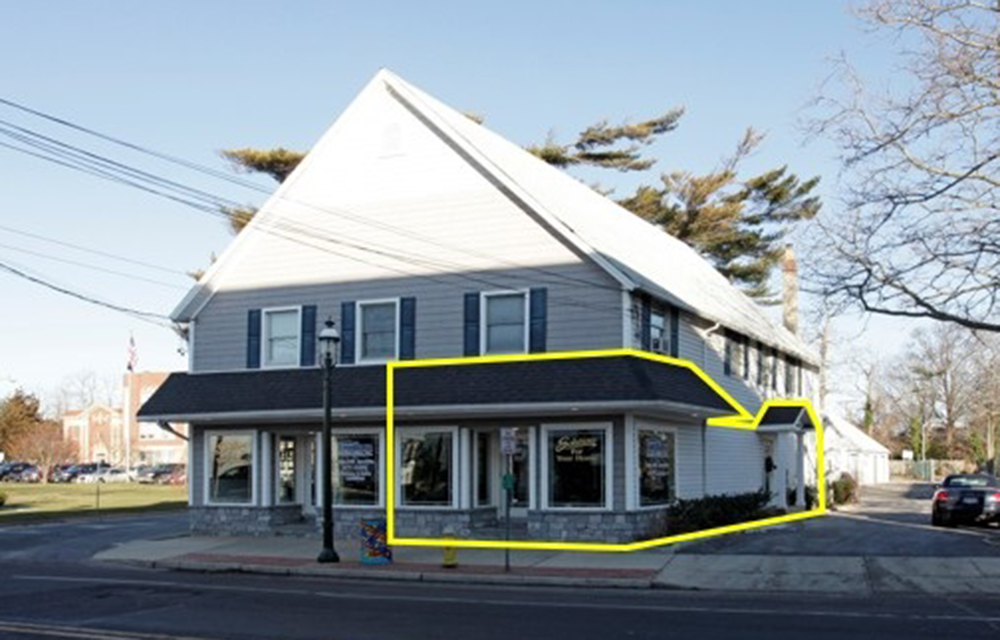
Raffa of Island Associates Real Estate leases 1,700 s/f to Tzanis Mental Health Group at 417 East Main St.
Islip, NY Robert Raffa from Island Associates Real Estate facilitated Tzanis Mental Health Group into 417 East Main St. – a 1,700 s/f office suite. The Tzanis Mental Health Group joins



Columns and Thought Leadership

Hunt commercial real estate question and answer: Fortune 500 wisdom - by David Hunt
Yes, there are lessons to be learned from the largest companies in America when comes to managing your real estate. But the decision to buy or lease real estate may not be one of

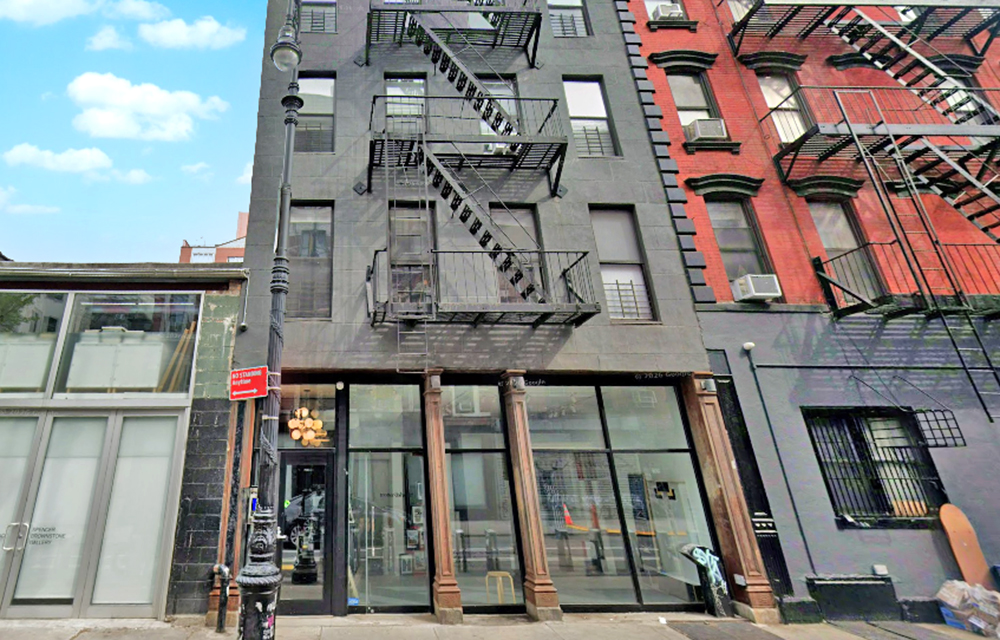
Positive forecast for New York’s pro-housing push? - by Philip Butler
New York’s housing crisis remains a hot button topic despite growing consensus that varied and affordable housing is desperately needed statewide. Governor Hochul has recently introduced several initiatives to overcome N.Y.’s anti-housing

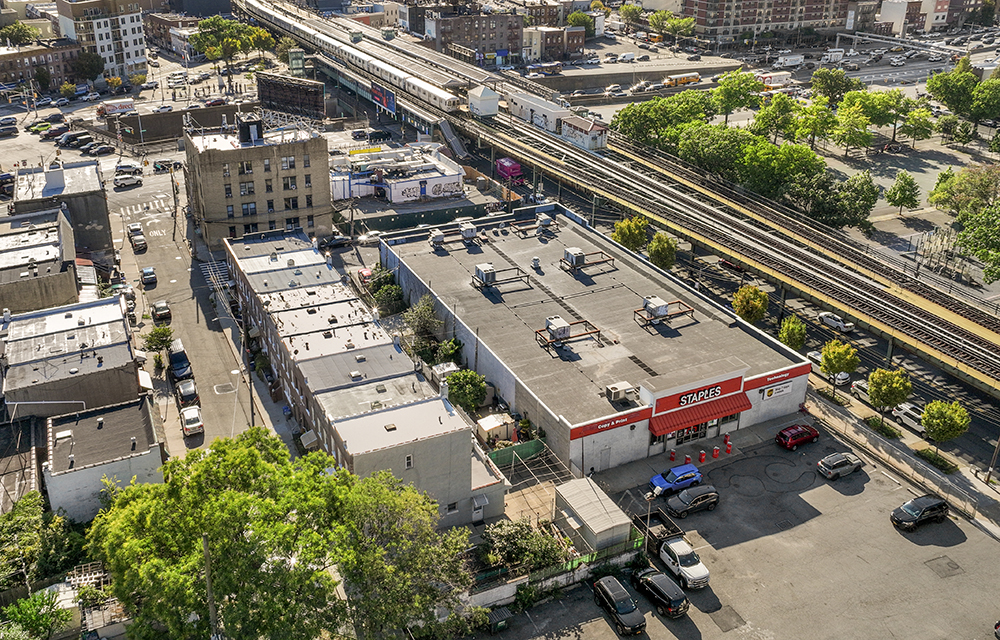
New York’s streets are full again, and the retail numbers prove it - by Noam Aziz
Walk down any New York block this year and you can feel it. The sidewalks are crowded, the storefronts are lit, and the energy that defines this city is back at full volume.

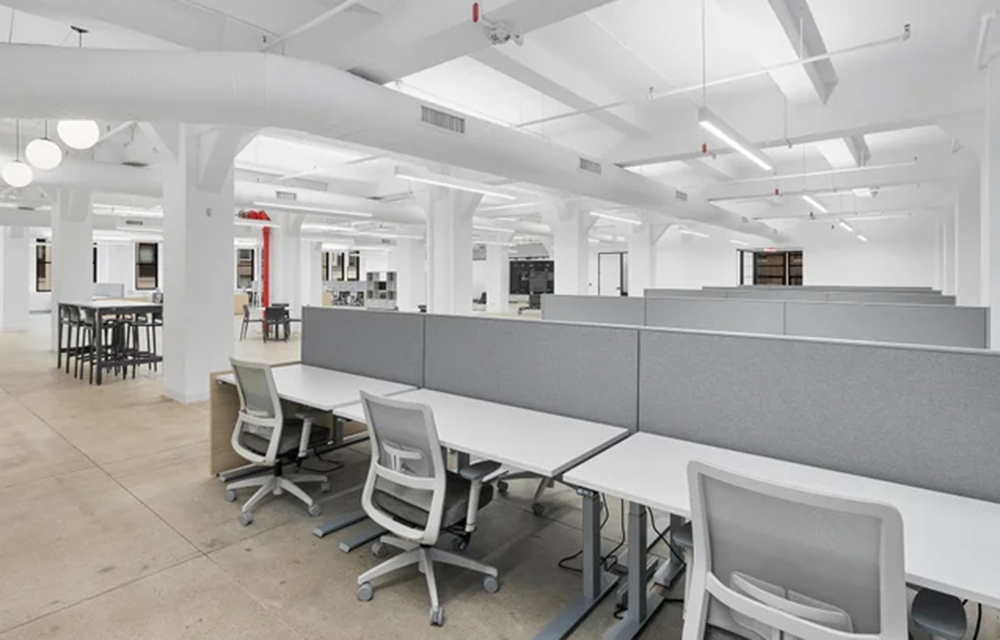
A guide to finding the right NYC property management company - by Sanjay Gandhi
Being a small to midsize landlord in NYC is an increasingly demanding endeavor. From navigating complex regulations, increased compliance demands to dealing with tenant issues and remediating violations. It is wise to enlist the assistance of a partner, a professional
.gif)
September Promotion
