



News:
Brokerage
Posted: September 9, 2025
Manhattan retail leasing: Strong demand, sharper deals - by James Famularo
The Manhattan retail landscape is undergoing a noticeable shift. Over the past year, leasing activity has accelerated, availability is tightening, and rents are showing signs of renewed strength. What’s emerging is a market defined by speed, competition, and a greater focus on quality of space.
Leasing Velocity
Transaction volume in Manhattan retail now exceeds 3.9 million s/f on a trailing 12-month basis — a 32% jump from last year. Ground-floor availability across the city’s key corridors has dropped to its lowest point in nearly a decade. Prime storefronts, particularly in high-traffic locations, are drawing multiple qualified offers almost immediately after coming to market.
Corridor Highlights
• SoHo remains one of the strongest performers. Average asking rents hover around $1,000 per s/f, with certain flagship spaces commanding nearly double that. Luxury, lifestyle, and digitally native retailers are driving much of this activity.
• Third Ave. (59th–79th Sts.) has staged a significant comeback. Availability has fallen from pandemic highs above 25% to less than 9% today, with average asking rents reaching $246 per s/f. A mix of grocery, apparel, and lifestyle brands has reinvigorated the corridor.
• Midtown is benefiting from the return of office workers. Fast-casual dining and fitness concepts are absorbing space at asking rents between $150–$300 per s/f, underscoring demand for quick-service and experiential retail near major office hubs.
Tenant Trends
The food and beverage sector continues to anchor deal activity, accounting for more than 170,000 s/f leased in the first quarter alone. Wellness and fitness operators are also expanding quickly, capturing a consumer base that prioritizes health and lifestyle experiences.
Another notable driver: e-commerce brands scaling into physical stores. These tenants increasingly see New York storefronts as essential for brand presence, consumer engagement, and overall sales growth.
Shifting Landlord Approach
Owners are recognizing the momentum and adapting quickly. While asking rents are edging upward, deals are moving faster and with fewer concessions. Flexibility around permitted uses and creative build-outs is becoming a differentiator for landlords who want to attract best-in-class tenants.
Outlook
Looking ahead to late 2025 and into 2026, the Manhattan retail leasing environment should remain firmly in the landlords’ favor in prime neighborhoods. Still, tenants are entering negotiations with higher expectations — seeking turnkey space, functional layouts, and clear data on traffic and demographics. Landlords who deliver on these fronts will continue to achieve premium results.
Manhattan retail is not just recovering — it is redefining itself. At Meridian, we’re working with both landlords and tenants to ensure that the deals being struck today position everyone for long-term success in New York’s most competitive corridors.
James Famularo is retail leasing president of Meridian Capital Group, Manhattan, N.Y.
Tags:
Brokerage
MORE FROM Brokerage
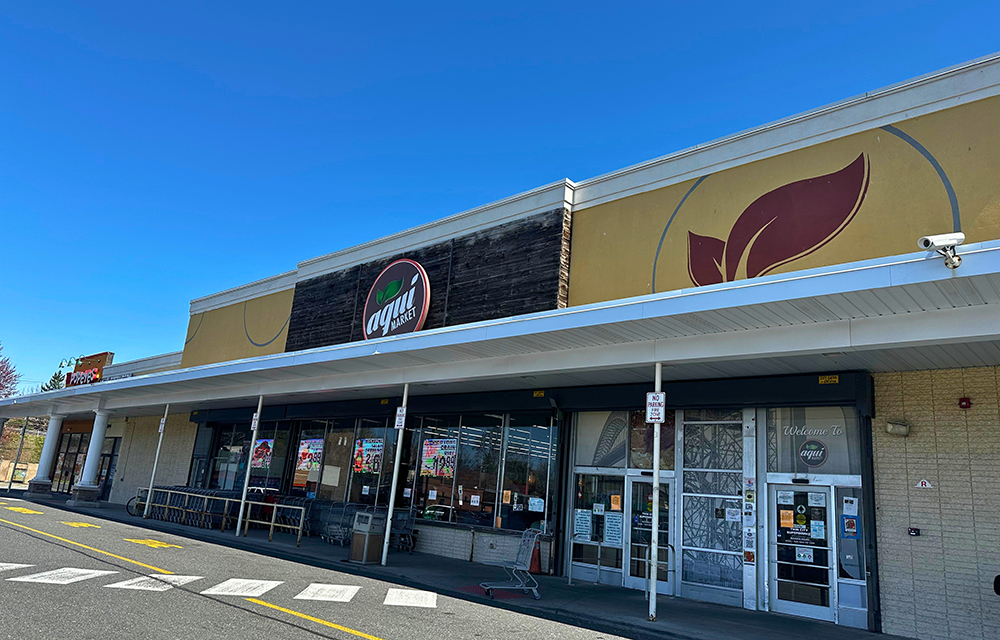
Planet Fitness coming to Twin City Shopping Center in Jersey City
Jersey City, NJ Planet Fitness is coming to Twin City Shopping Center in Jersey City, bringing the 95,000 s/f, grocery-anchored property to full occupancy. The nationally recognized fitness brand has leased a



Quick Hits
 (2).gif)

Columns and Thought Leadership

Hunt CRE question and answer: Choosing a real estate agent - by David Hunt
First, we will only work with one agent exclusively. The primary reason is that we want that agent to legally represent our client’s interests. In New York State, a real estate agent has a fiduciary

Hunt commercial real estate question and answer: Fortune 500 wisdom - by David Hunt
Yes, there are lessons to be learned from the largest companies in America when comes to managing your real estate. But the decision to buy or lease real estate may not be one of

New York’s streets are full again, and the retail numbers prove it - by Noam Aziz
Walk down any New York block this year and you can feel it. The sidewalks are crowded, the storefronts are lit, and the energy that defines this city is back at full volume.

A guide to finding the right NYC property management company - by Sanjay Gandhi
Being a small to midsize landlord in NYC is an increasingly demanding endeavor. From navigating complex regulations, increased compliance demands to dealing with tenant issues and remediating violations. It is wise to enlist the assistance of a partner, a professional
.gif)