



News:
Brokerage
Posted: June 9, 2014
Letter of Intent - The Merits of Bridge Financing
Bridge loans are becoming a new standard as the N.Y.C. property market has gotten so competitive that the need for immediate access to debt has risen greatly. Bridge loans are short-term loans that by definition, is not the type of loan product or origination source, but the use of the loan itself. Bridge loans can be procured from various lenders, ranging from REITs to debt funds to private lenders, and with that comes a large spectrum of interest rates, albeit getting lower and lower recently.
Bridge loans have become the answer to real estate investors and developers' prayers. The bridge loan is a concept not considered by many real estate investors until recently, mostly because until recently, the capital was far too expensive to make sense. But, as more and more borrowers begin to jump on board to the concept of the bridge loan, the market has become increasingly competitive, and rates have begun to drop significantly. In addition to the rapidly falling rates, bridge loans can very often be tailored to the specific needs of the borrower, and can generally be closed within two weeks.
Michael Korine, managing director of the finance & capital markets group at Berko & Associates, said, "We have seen rates continue to drop profusely, and some lenders will now conduct some of their due diligence 'post-closing' in order to expedite the transaction." As a brokerage with a notably large lender network, we have the unique ability to sort through some of the more avaricious lenders and only address lenders willing to work with us at below market rates. The best finance advisory professionals have the ability to procure the most optimal financing for their clients, and it is absolutely necessary to seek out the correct match for their borrowers. Certain lending groups are only attracted to specific assets, while others offer a broad array of products. Although it borders on the impossible to track the aggregate amount of bridge loans in N.Y.C. over the past couple years due to private lenders and international funds dispensing funds so quickly, we can see that this trend is continuing, and speed is the name of the game. Lee Silpe is the senior analyst at Berko & Associates, New York, N.Y.
Tags:
Brokerage
MORE FROM Brokerage
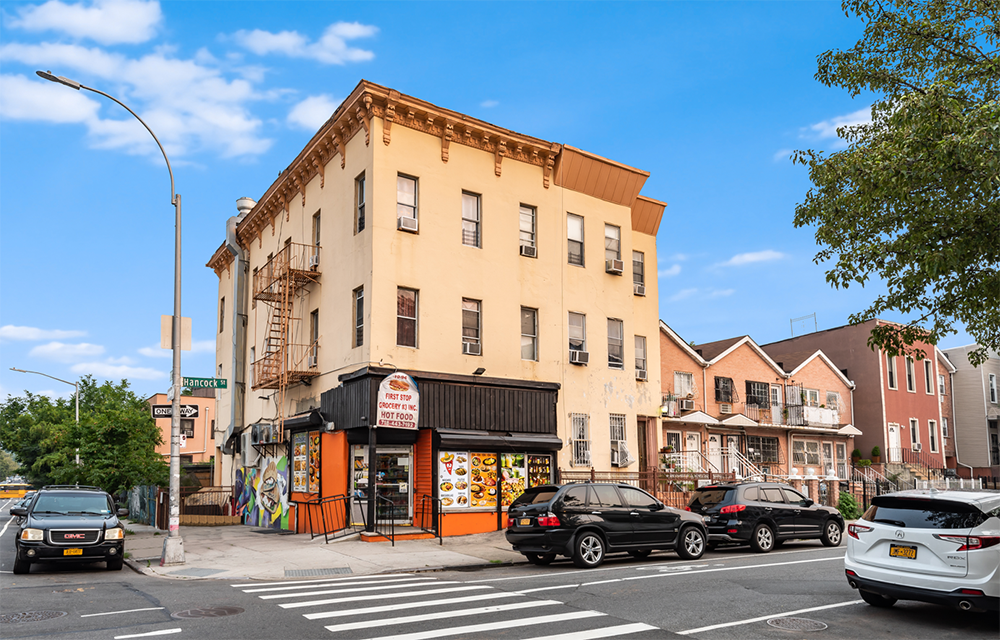
Investment Property Realty Group closes $1.75 million sale of 1094 Hancock Street in Brooklyn
Brooklyn, NY Investment Property Realty Group (IPRG), a New York-based commercial investment firm, has closed the sale of 1094 Hancock St., a mixed-use building in the Bushwick section, for $1.75 million.



Quick Hits

Columns and Thought Leadership

Hunt commercial real estate question and answer: Fortune 500 wisdom - by David Hunt
Yes, there are lessons to be learned from the largest companies in America when comes to managing your real estate. But the decision to buy or lease real estate may not be one of

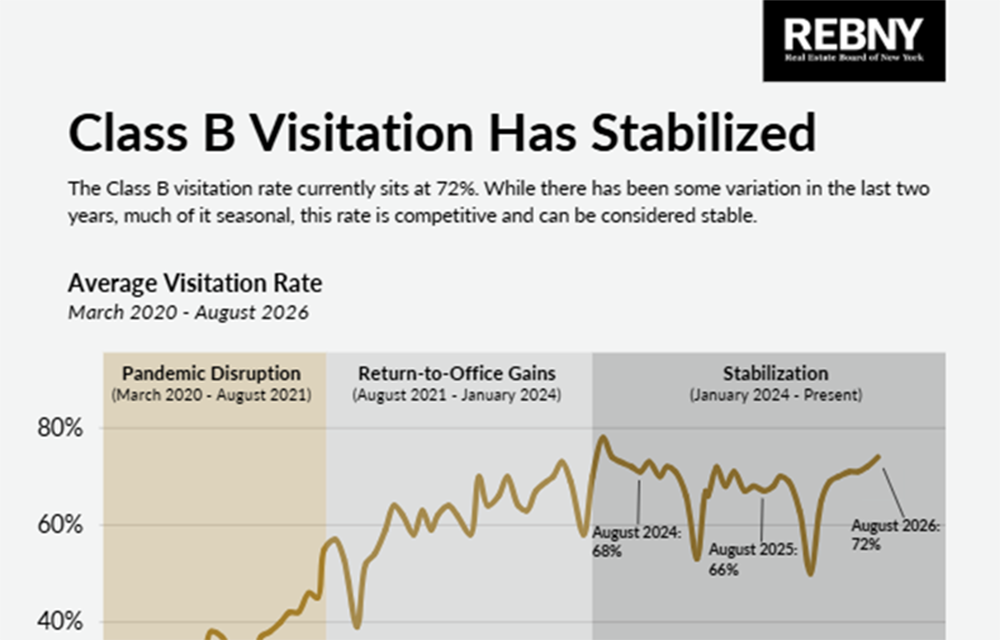
New York’s streets are full again, and the retail numbers prove it - by Noam Aziz
Walk down any New York block this year and you can feel it. The sidewalks are crowded, the storefronts are lit, and the energy that defines this city is back at full volume.

A guide to finding the right NYC property management company - by Sanjay Gandhi
Being a small to midsize landlord in NYC is an increasingly demanding endeavor. From navigating complex regulations, increased compliance demands to dealing with tenant issues and remediating violations. It is wise to enlist the assistance of a partner, a professional

Hunt CRE question and answer: Choosing a real estate agent - by David Hunt
First, we will only work with one agent exclusively. The primary reason is that we want that agent to legally represent our client’s interests. In New York State, a real estate agent has a fiduciary
.gif)