



News:
Brokerage
Posted: August 12, 2013
Letter of Intent - Dollars Per Buildable
There seems to be a new standard in the price of development rights in prime New York City locations, and the days of sub-four hundred dollars per buildable foot are long gone from the rear view mirror. Sales for development rights in trendy locations have consistently traded above $600 per s/f. Tough pill to swallow? I think not. Let's go over some of the most recent showcase acquisitions and how they set the groundwork for the future.
A partnership between Vector Group and the Witkoff Group just closed on a $200 million purchase of the St. Johns University site, a total of 310,000 s/f, or approximately $600 per s/f. The developers plan to market about 200 units, all above the million dollar mark, exemplifying the amount of national and international buyers there are that are willing to spend to obtain a piece of the luxury pie.
Sources say that 156-162 Leroy St. in the West Village has been recapitalized and has a value of approximately $50 million; the site is currently zoned for an 89,000 s/f (a bargain at $561 per s/f) hotel, but the joint venture owners have plans of filing for a residential variance to create a residential tower.
The last of our brief case studies is the upcoming auction for a few contiguous parcels on Third Avenue and 88th Street, whose representatives believe that the properties will fetch more than $80 million for the 130,000 buildable s/f, a minimum projection of $615 per s/f.
As real estate professionals, we need to understand and accept that these numbers make sense. After conferring with some of the notable developers in New York City, none of them go into a ground up constructing expecting any less than sales of over $2,000 per s/f, with the vast majority of developers expecting condo sales of over $3,000 per s/f in the most prime locations. There are many moving pieces working simultaneously to confirm these truths and exemplify the state of the current market. Lenders are becoming increasingly competitive in their construction loans and terms, and international money has been funneling into N.Y.C, so we expect that development rights will continue to be traded at unfailing record-breaking numbers looking to capitalize on the flourishing luxury condo market. The absorption rates for condominiums over $6 million is 21.6%, a tick above what is has been but not as high as the best parts of 2012. This rate does not include new development, which it seems, are sold as quickly as they are built. Let's all focus on what is, not what was, and transact with the times.
Lee Silpe is the senior analyst at Berko & Associates, New York, N.Y.
Tags:
Brokerage
MORE FROM Brokerage
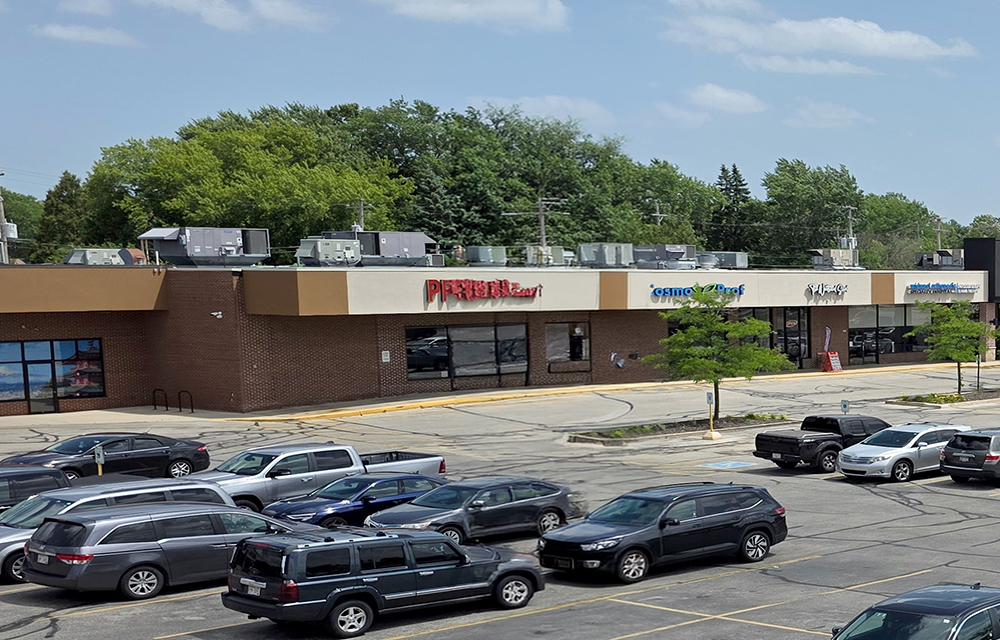
United Properties Corp. expands Wisconsin and Illinois retail presence adding 200,000 s/f
West Allis, WI United Properties Corp. completed two retail acquisitions totaling $27.4 million across Illinois and Wisconsin, adding 205,000 s/f of shopping center space to its portfolio


 (2).gif)

Columns and Thought Leadership

Hunt commercial real estate question and answer: Fortune 500 wisdom - by David Hunt
Yes, there are lessons to be learned from the largest companies in America when comes to managing your real estate. But the decision to buy or lease real estate may not be one of

New York’s streets are full again, and the retail numbers prove it - by Noam Aziz
Walk down any New York block this year and you can feel it. The sidewalks are crowded, the storefronts are lit, and the energy that defines this city is back at full volume.

A guide to finding the right NYC property management company - by Sanjay Gandhi
Being a small to midsize landlord in NYC is an increasingly demanding endeavor. From navigating complex regulations, increased compliance demands to dealing with tenant issues and remediating violations. It is wise to enlist the assistance of a partner, a professional

Positive forecast for New York’s pro-housing push? - by Philip Butler
New York’s housing crisis remains a hot button topic despite growing consensus that varied and affordable housing is desperately needed statewide. Governor Hochul has recently introduced several initiatives to overcome N.Y.’s anti-housing
.gif)