



News:
Brokerage
Posted: May 18, 2026
Lee & Associates NYC arranges lease for interior architecture and design firm at 10 East 40th St.
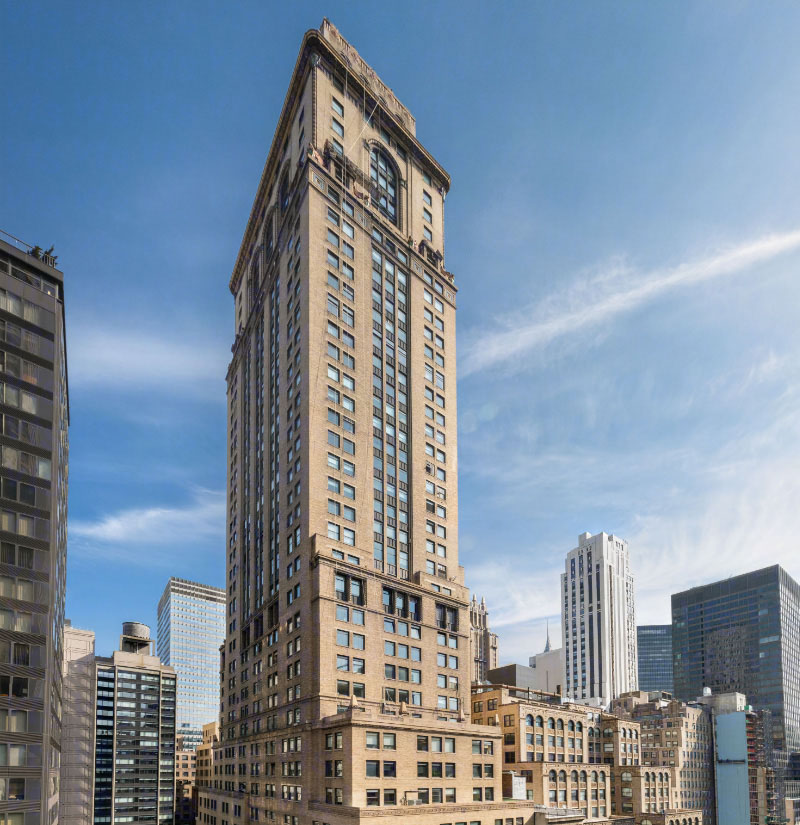 Manhattan, NY Lee & Associates NYC completed a new office lease for Daniel Romualdez Architect P.C. at 10 East 40th St. in Midtown. The architecture and interior design firm signed an 11-year lease for 5,670 s/f on a portion of the 32nd floor of the building.
The landlord, an entity controlled by Joseph P. Day Realty Corp., was represented by Matt Livingston, Theodora Livadiotis and Caroline Collins of Cushman & Wakefield. The tenant was represented by Woody King and Todd Korren of Lee & Associates NYC.
The new space features 16-ft. ceilings and eastern, western and southern exposures with views stretching to the World Trade Center. The layout and architectural character aligned with the tenant’s search for a bright, high-floor creative environment reflective of its design-focused practice.
“Daniel Romualdez Architect was seeking a space that matched the caliber and sophistication of the firm’s work,” said Korren. “After an extensive search, 10 East 40th St. stood out for its exceptional ceiling heights, natural light and panoramic city views, all within a highly efficient floorplate in the heart of Midtown.”
“We continue to see strong demand from architecture, design and creative firms seeking unique office environments that inspire both employees and clients,” said King. “This space offered a combination of character, functionality and location that is increasingly difficult to find in today’s market.”
Daniel Romualdez Architect P.C. is internationally recognized for its refined residential, hospitality and commercial projects. The firm’s work spans homes, offices and retail spaces for prominent clients across the worlds of fashion, business and culture, and is known for blending traditional elegance with contemporary comfort.
The tenant is expected to move into the space in August 2026.
MORE FROM Brokerage
Investment Property Realty Group closes $1.75 million sale of 1094 Hancock Street in Brooklyn
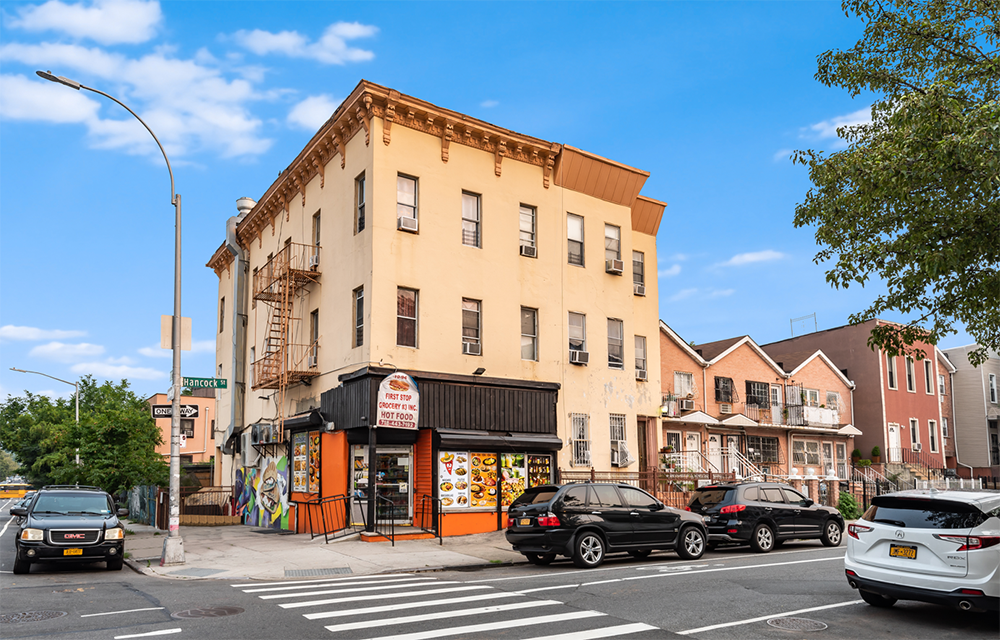
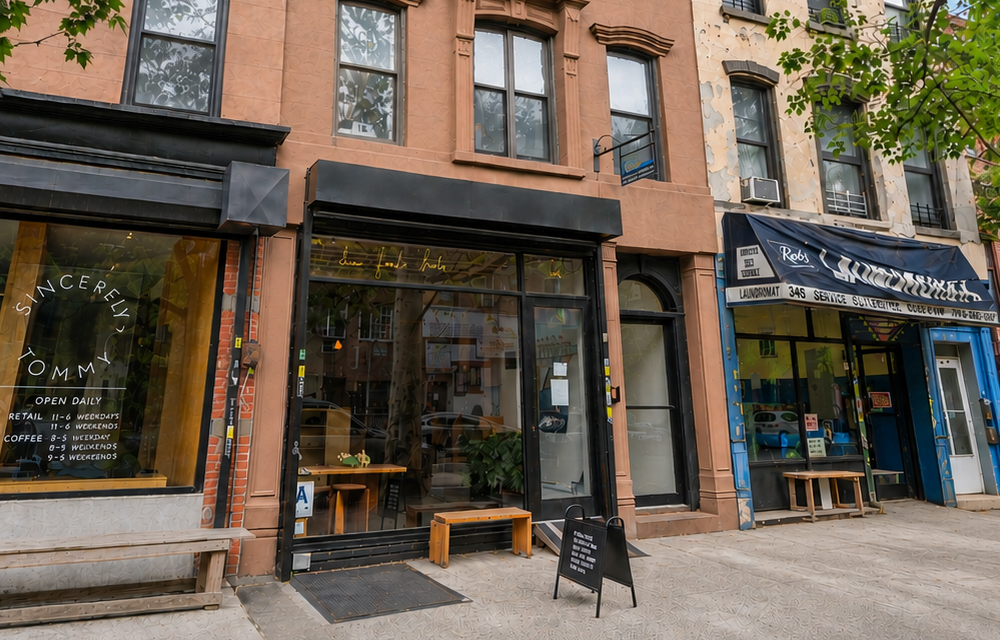
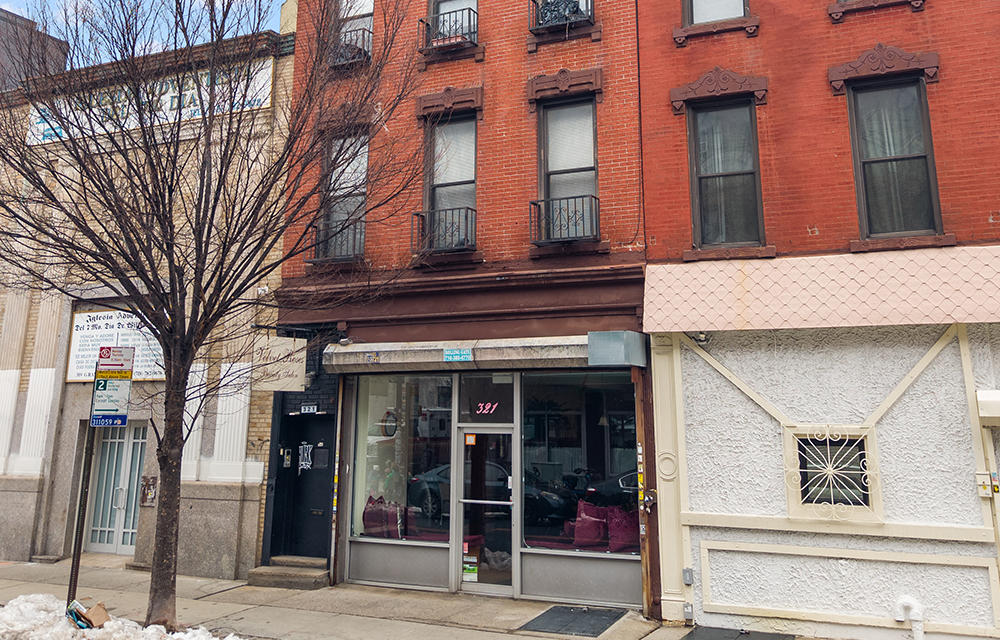
Brooklyn, NY Investment Property Realty Group (IPRG), a New York-based commercial investment firm, has closed the sale of 1094 Hancock St., a mixed-use building in the Bushwick section, for $1.75 million.


Quick Hits

Columns and Thought Leadership

A guide to finding the right NYC property management company - by Sanjay Gandhi
Being a small to midsize landlord in NYC is an increasingly demanding endeavor. From navigating complex regulations, increased compliance demands to dealing with tenant issues and remediating violations. It is wise to enlist the assistance of a partner, a professional

Hunt CRE question and answer: Choosing a real estate agent - by David Hunt
First, we will only work with one agent exclusively. The primary reason is that we want that agent to legally represent our client’s interests. In New York State, a real estate agent has a fiduciary

New York’s streets are full again, and the retail numbers prove it - by Noam Aziz
Walk down any New York block this year and you can feel it. The sidewalks are crowded, the storefronts are lit, and the energy that defines this city is back at full volume.

Hunt commercial real estate question and answer: Fortune 500 wisdom - by David Hunt
Yes, there are lessons to be learned from the largest companies in America when comes to managing your real estate. But the decision to buy or lease real estate may not be one of
.gif)