



News:
Brokerage
Posted: December 23, 2025
Katz & Assocs. and Compass lease 2,385 s/f to Ess-a-Bagel at The Buchanan at 47th St. and Third Ave.

Manhattan, NY The quintessential New York bagel brand is coming to The Buchanan. Ess-a-Bagel, celebrating its 50th anniversary in 2026, has signed a lease for a 2,385-s/f flagship corner space at 47th St. and Third Ave., slated to open in Q4 2026. The new flagship marks a milestone as the family-owned brand, founded in 1976, relocates from 831 Third Ave. to anchor The Buchanan’s refreshed retail lineup.
Katz & Associates’ Daniel DePasquale and David Yablon represented Affinius Capital, and Lisa Rosenthal of Compass represented Ess-a-Bagel.
“Ess-a-Bagel isn’t just a bagel shop — it’s a New York institution,” said the company. “Opening this store at The Buchanan ensures that both longtime fans and a new generation will enjoy our classic hand-rolled bagels right in the heart of Midtown East.”
Ess-a-Bagel will join other exciting tenants recently signed by DePasquale and Yablon, including Luckin Coffee, a Chinese coffee chain (1,481 s/f; represented by Albert Halawani and David Green of KSR), and Dumpling General, a dumpling concept from Flushing, Queens (988 s/f; represented by Yu Yong of Eastriver Realty Brokerage). Both are slated to open in the first half of 2026.
DePasquale and Yablon said “We’re thrilled to welcome Ess-a-Bagel, Luckin Coffee, and Dumpling General to The Buchanan, a vibrant hub of activity and luxury in midtown. Building residents and beyond will enjoy these culinary concepts – including The Buchanan’s landlord, who lives in Texas and loves to get Ess-a-Bagel whenever he’s in NYC.”
The Buchanan is a a 286-unit luxury apartment building surrounded by offices, hotels, and residential buildings; it occupies the entire west block between 47th and 48th Sts. and houses Sea Fire Grill, which is across from the original Avra.
Tags:
Brokerage
New York City
MORE FROM Brokerage
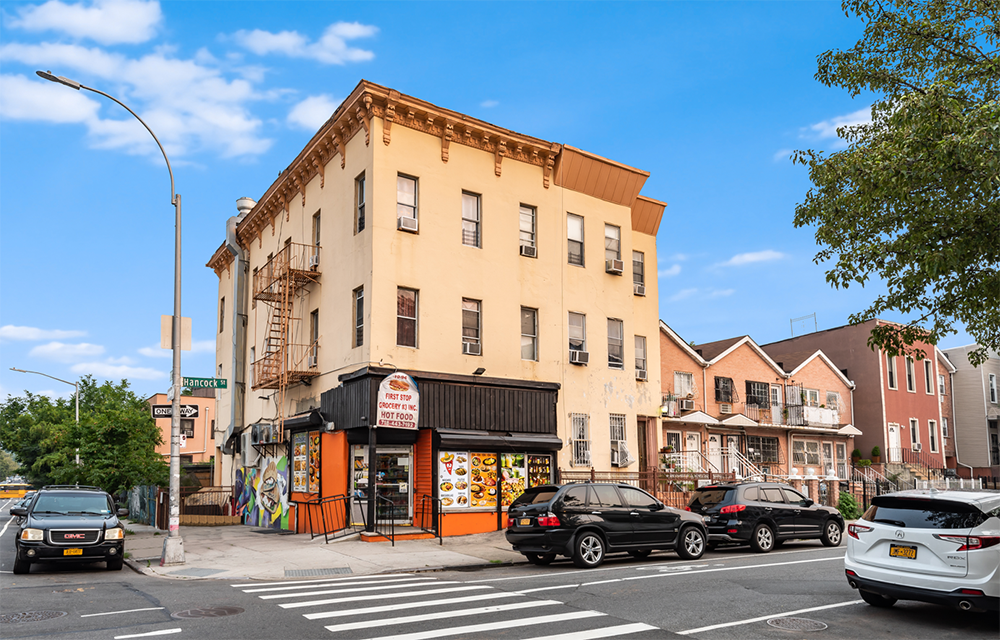
Investment Property Realty Group closes $1.75 million sale of 1094 Hancock Street in Brooklyn
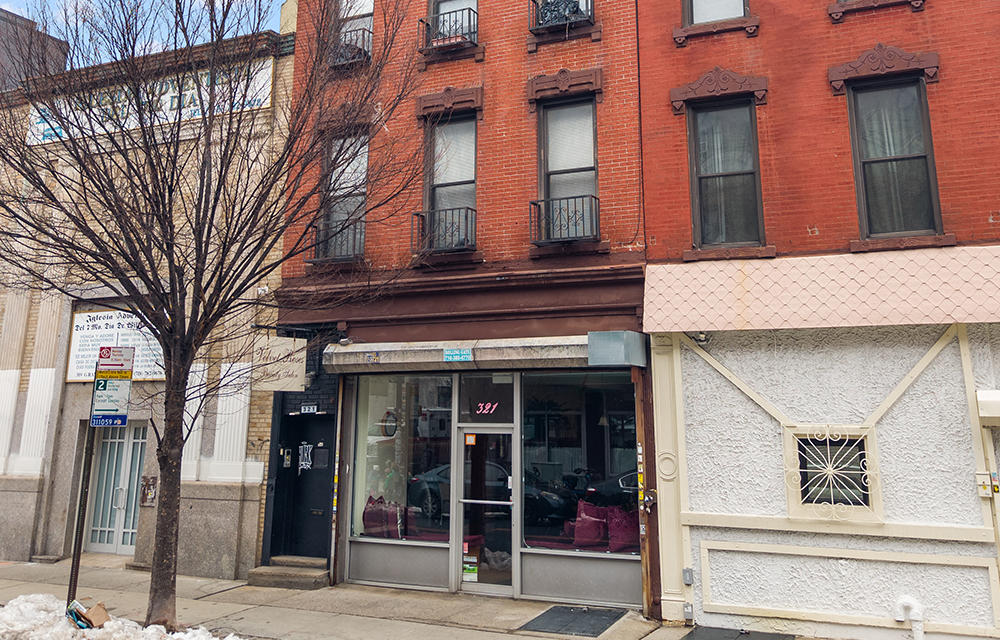
Brooklyn, NY Investment Property Realty Group (IPRG), a New York-based commercial investment firm, has closed the sale of 1094 Hancock St., a mixed-use building in the Bushwick section, for $1.75 million.


 (2).gif)

Columns and Thought Leadership

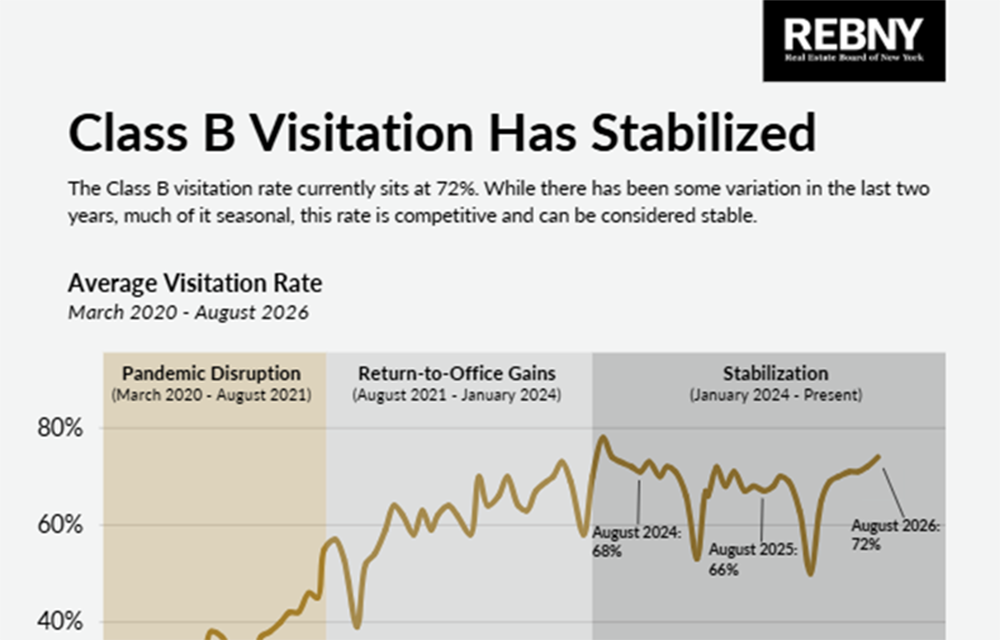
New York’s streets are full again, and the retail numbers prove it - by Noam Aziz
Walk down any New York block this year and you can feel it. The sidewalks are crowded, the storefronts are lit, and the energy that defines this city is back at full volume.

Hunt CRE question and answer: Choosing a real estate agent - by David Hunt
First, we will only work with one agent exclusively. The primary reason is that we want that agent to legally represent our client’s interests. In New York State, a real estate agent has a fiduciary

Hunt commercial real estate question and answer: Fortune 500 wisdom - by David Hunt
Yes, there are lessons to be learned from the largest companies in America when comes to managing your real estate. But the decision to buy or lease real estate may not be one of

A guide to finding the right NYC property management company - by Sanjay Gandhi
Being a small to midsize landlord in NYC is an increasingly demanding endeavor. From navigating complex regulations, increased compliance demands to dealing with tenant issues and remediating violations. It is wise to enlist the assistance of a partner, a professional
.gif)