



News:
Spotlight Content
Posted: December 26, 2011
Josh Goldflam of Highcap Group
What was your most notable project, deal or transaction of 2011?
The $32.6 million all-cash sale of a three-building portfolio in the West Village with 85 apartments and five stores. We were working on the property for a long time and our contract with the buyer had fallen apart a few months before it got resurrected once again, but with a price increase this time around. The properties had a long term ownership with an overseas investor and the buyer was a local investment firm.
What was your greatest professional accomplishment in 2011?
The sale of a first mortgage secured by an unfinished 150,000 s/f new construction building known as The Crescent Club in Queens Plaza located in Long Island City. This was a very complex deal with a competitive bidding process being sold by a large bank. Our clients ultimately won the property at a discount from the $48 million PAR value of the note and are working with the original developer to help finish the project to make it available for occupation as soon as possible.
What are your predictions for commercial real estate in 2012?
I see the market being stable and not making any major jumps or dives while there is still a major lack of supply for quality investment properties or development sites. That coupled with unusually low interest rates and buyers sitting on lots of cash are keeping bids very aggressive for prime sites when they do become available. All the major distressed assets have made their way through the pipeline and should be finishing up in 2012. The underlying fundamentals in residential and commercial rents are still keeping valuations very high.
What are your resolutions for 2012?
To do more deals and make more money than we did in 2011. We are expanding & growing more efficient with our operations and are adding only quality brokers to our team. We are looking towards our junior brokers to get more deals done with our help. We have made ourselves known in the industry and are hoping to build on our business up from where we are now, and build our relationships with landlord/developers/etc. If you are a quality and/or high producing investment sales broker I would be very interested in speaking to you as soon as possible
Tags:
Spotlight Content
MORE FROM Spotlight Content

NYREJ's 2026 Developing Long Island Spotlight is here!
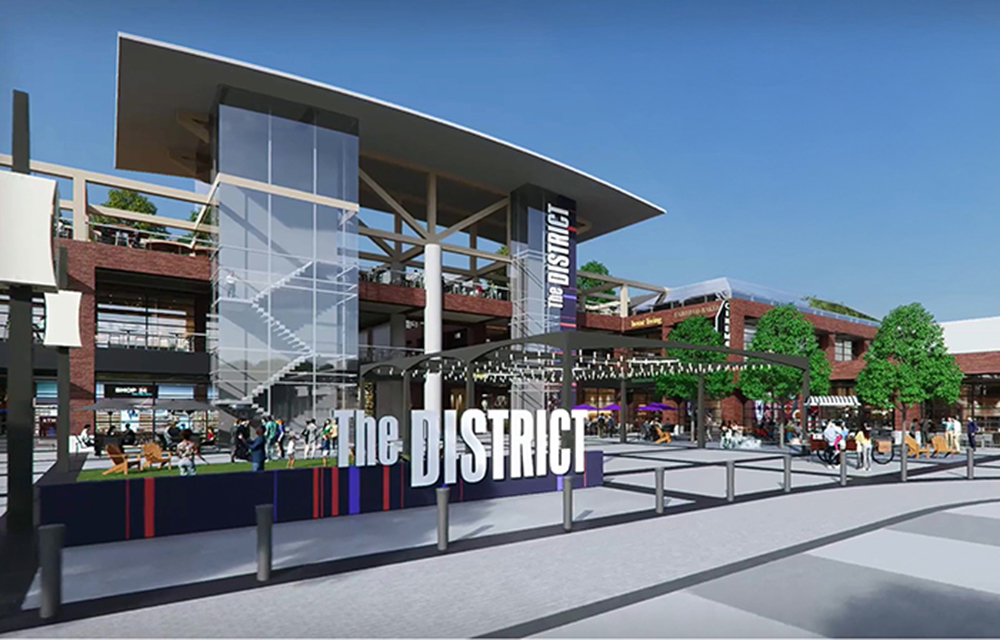
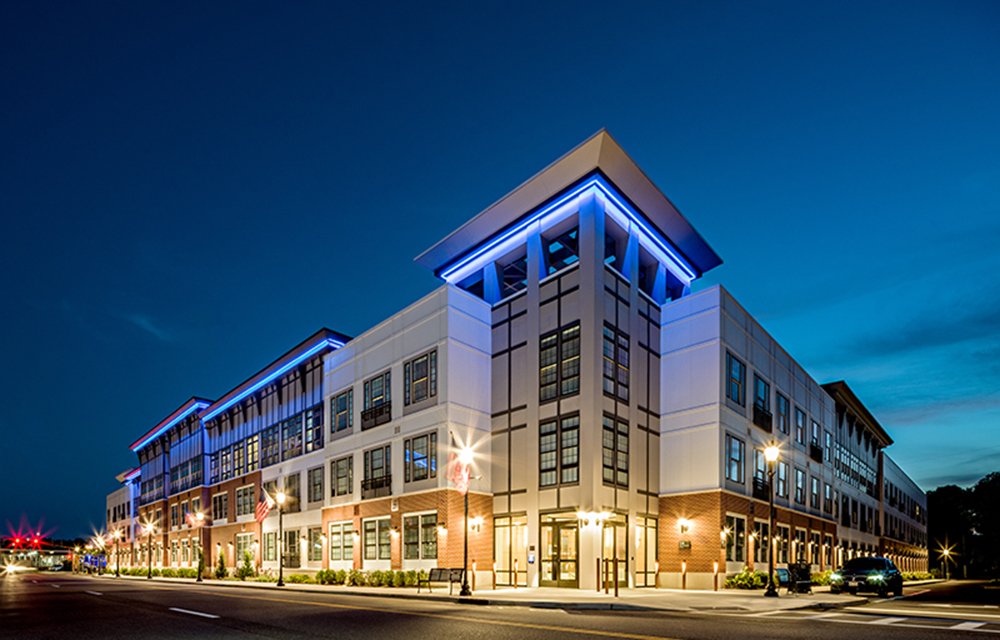
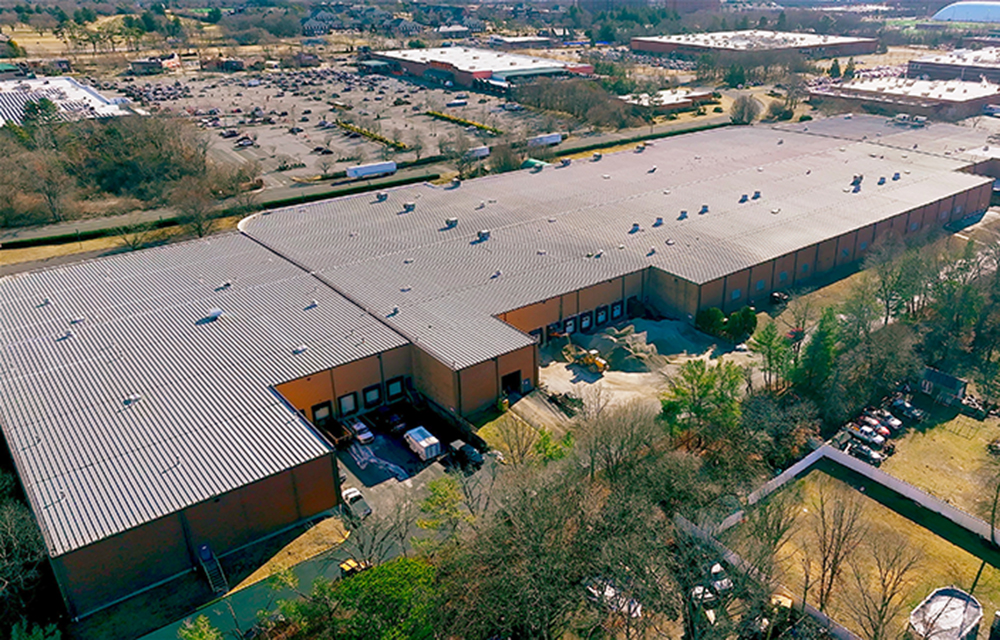
This spotlight showcases projects completed and currently under construction across Long Island as well as highlights improvements made to the region through Industrial and Economic Development Agencies and BIDs.

.png)

Quick Hits
 (2).gif)

Columns and Thought Leadership

CRE Guide Featured Company: Merritt Environmental Consulting Corp.
Merritt Environmental Consulting Corp. (MECC) was established in June of 2009 after being part of a larger engineering firm for almost 20 years. The focus of the company is to assist lending institutions, attorneys, real estate investors, and property owners with environmental concerns. Today, MECC has offices in New York, Florida, and Vermont and has grown into a regional consulting firm serving clients along the East Coast.

Properly serving a lien law Section 59 Demand - by Bret McCabe
Many attorneys operating within the construction space are familiar with the provisions of New York Lien Law, which allow for the discharge of a Mechanic’s Lien in the event the lienor does not commence an action to enforce following the service of a “Section 59 Demand”.

2026 Developing Queens: Long Island Board of Realtors advances commercial growth and advocacy in Queens
The Long Island Board of Realtors (LIBOR) Commercial Network continues to play a key role in advancing opportunities and strengthening the commercial real estate landscape across Queens. Through targeted programming and global outreach

From vacancy to vitality: How adaptive reuse is reshaping Long Island’s CRE landscape - by Andrea Tsoukalas Curto
Adaptive reuse has become one of the most important conversations in commercial real estate today. Long Island has a large inventory of aging retail, office and industrial