



News:
Brokerage
Posted: August 27, 2012
Jordan of Northeast Private Client Group arranges $1.237 million sale
Investment sales broker Northeast Private Client Group has brokered the sale of 202-206 Main St., a mixed-use commercial redevelopment. Edward Jordan, JD, CCIM, the firm's managing director, represented both the seller and the buyer in the $1.237 million sale. The property comprises 12 apartments and three commercial units, including Karma Lounge and The Out Bar, two popular establishments in the revitalized downtown Poughkeepsie submarket.
"The completion of this sale is yet another positive indication of the strong demand that we're seeing among New York investors for desirable mixed-use properties," said Jordan. "This renovated, fully leased property is well positioned to contribute to and benefit from the continued redevelopment of downtown Poughkeepsie."
The seller, an area developer, specializes in the adaptive reuse of historic urban buildings. 202-206 Main St. was a complete rehabilitation, renovation and construction project, with a dozen new studio apartments and three fully renovated store fronts behind the original historic façade. The buyer, an investment group based in Fishkill, purchased the 202-206 Main St. property for a price that equates to $95 per s/f, which represents a capitalization rate of 10% on the current year's net operating income. The property buyer and seller, working in concert with Community Preservation Corp. (CPC), orchestrated the assumption of the existing mortgage.
"We were able to identify and source a well-qualified buyer through our White Plains office, which was instrumental in selling this asset at a highly competitive price," said Jordan. "Our firm is keenly focused on building relationships, identifying opportunities and executing deals to help support real estate investors in the Northeast markets."
About Northeast Private Client Group
Founded in 2010 by Edward Jordan, Northeast Private Client Group supports real estate investors with offices in New York, Connecticut and Massachusetts. The firm specializes in representing owners of income producing properties, and supporting those who invest and sell property in the commercial and multifamily sectors across a region that stretches from New York to Boston. Jordan holds the Certified Commercial Investment Member (CCIM) designation and currently serves on the board of directors of the Connecticut chapter of CCIM.
Tags:
Brokerage
MORE FROM Brokerage
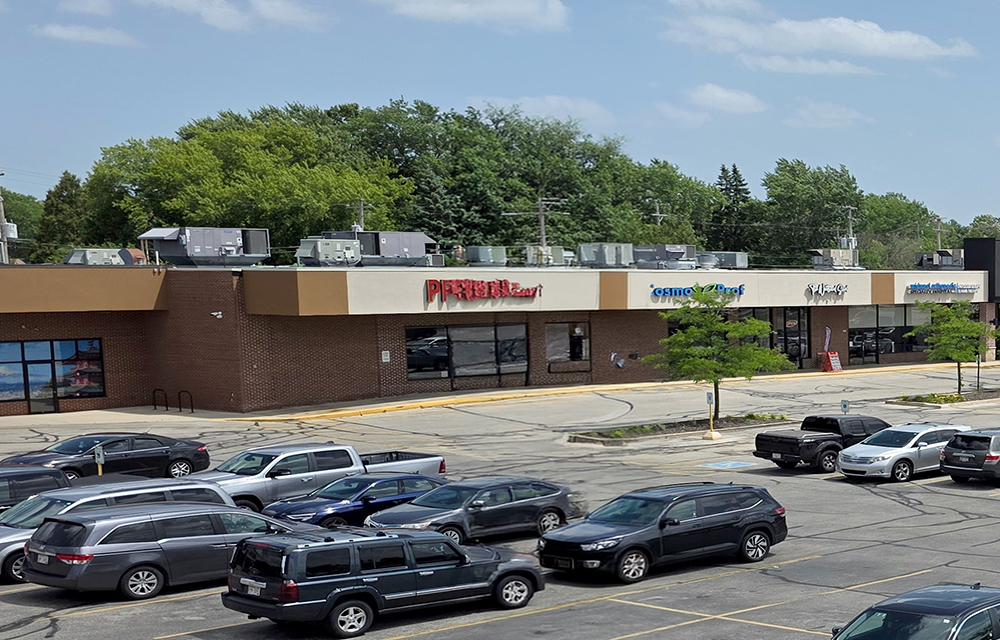
United Properties Corp. expands Wisconsin and Illinois retail presence adding 200,000 s/f
West Allis, WI United Properties Corp. completed two retail acquisitions totaling $27.4 million across Illinois and Wisconsin, adding 205,000 s/f of shopping center space to its portfolio



Columns and Thought Leadership

New York’s streets are full again, and the retail numbers prove it - by Noam Aziz
Walk down any New York block this year and you can feel it. The sidewalks are crowded, the storefronts are lit, and the energy that defines this city is back at full volume.

Positive forecast for New York’s pro-housing push? - by Philip Butler
New York’s housing crisis remains a hot button topic despite growing consensus that varied and affordable housing is desperately needed statewide. Governor Hochul has recently introduced several initiatives to overcome N.Y.’s anti-housing

A guide to finding the right NYC property management company - by Sanjay Gandhi
Being a small to midsize landlord in NYC is an increasingly demanding endeavor. From navigating complex regulations, increased compliance demands to dealing with tenant issues and remediating violations. It is wise to enlist the assistance of a partner, a professional

Hunt commercial real estate question and answer: Fortune 500 wisdom - by David Hunt
Yes, there are lessons to be learned from the largest companies in America when comes to managing your real estate. But the decision to buy or lease real estate may not be one of
.gif)