



News:
Brokerage
Posted: January 13, 2026
JLL arranges 378,438 s/f long-term lease for NYS Office of the Attorney General at 28 Liberty St.

Manhattan, NY The New York State Office of the Attorney General has expanded and extended its long-term presence at 28 Liberty St., committing to a total of 378,438 s/f at the office tower.
The transaction includes an extension of the existing 342,484 s/f the AG occupies across floors E13–21 and E23. The tenant also signed a long-term lease for an additional 35,954 s/f on the entire twenty-second floor.
Located in the Financial District, 28 Liberty St.’s amenity package includes a full-block public plaza, on-site dining and retail, modernized lobby and infrastructure upgrades, and proximity to downtown’s growing residential, retail and hospitality base, with lifestyle amenities specialized in experiential wellness and recreation.
The 60-story, 2.11 million s/f landmarked building provides tenants direct access to six subway lines from the lobby, while entry to the World Trade Center transit complex is two blocks to the north.
A JLL team that includes chairman and president Peter Riguardi, executive managing director John Wheeler, vice chairman Mitchell Konsker and managing director Michael Berman arranged the transaction with the Office of the Attorney General.
Said Wheeler, “The AG Office’s decision to extend and expand at 28 Liberty St. validates ownership’s continued commitment to invest in this iconic asset to create diverse lifestyle amenities, activated common spaces and integrated technology and support infrastructure.”
The New York State Office of the Attorney General has been a tenant of 28 Liberty since 2018 and occupies 20% of the building. The property is also home to a blend of institutional, financial, tech and service tenants including Stripe, Allianz Global Corporate & Specialty, London Stock Exchange Group, Wolters Kluwer, Carter Ledyard & Milburn and SCOR Reinsurance.
Tags:
Brokerage
New York City
MORE FROM Brokerage
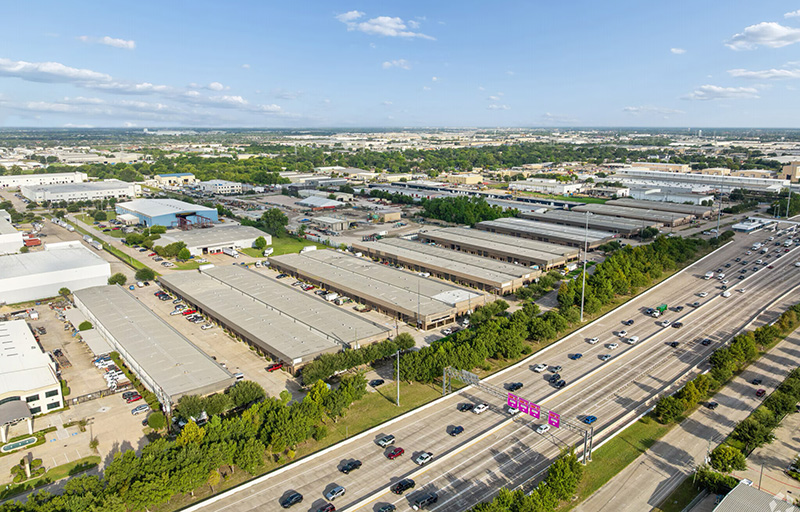
Simi Capital enters Texas with acquisition of 359,000 s/f small-bay industrial portfolio in Northwest Houston
Houston, TX Simi Capital acquired a three-property, 359,000 s/f small-bay industrial portfolio. The transaction, completed in a joint venture with Decker Capital, marks Simi


Quick Hits
 (2).gif)

Columns and Thought Leadership

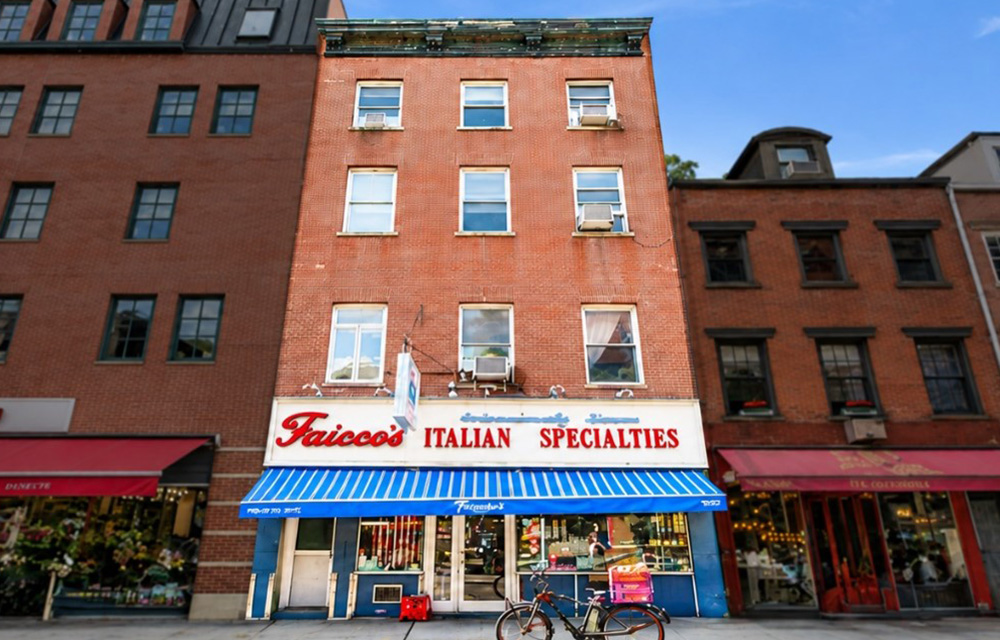
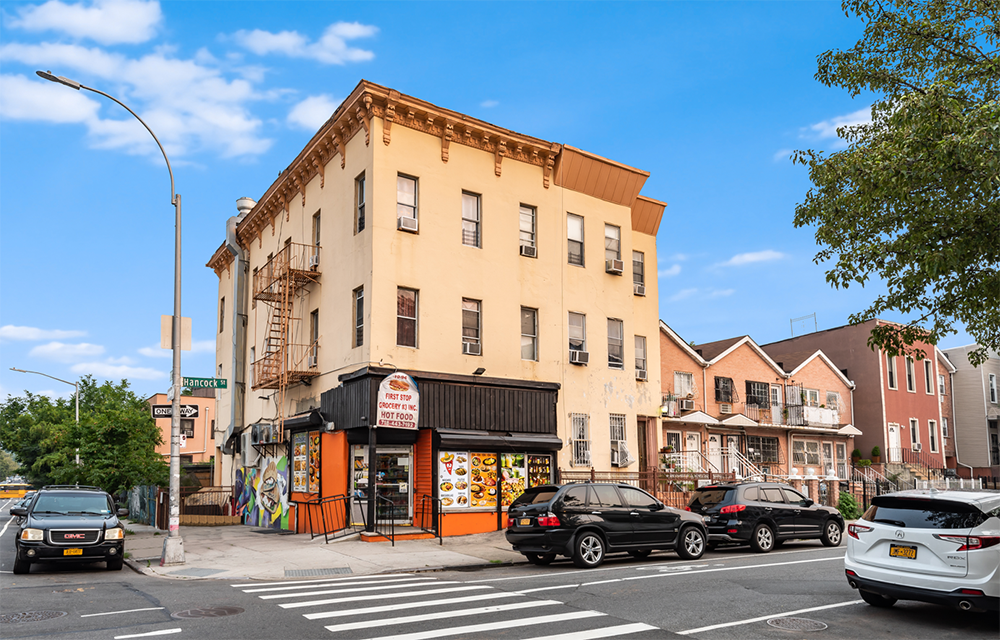
New York’s streets are full again, and the retail numbers prove it - by Noam Aziz
Walk down any New York block this year and you can feel it. The sidewalks are crowded, the storefronts are lit, and the energy that defines this city is back at full volume.

Hunt commercial real estate question and answer: Fortune 500 wisdom - by David Hunt
Yes, there are lessons to be learned from the largest companies in America when comes to managing your real estate. But the decision to buy or lease real estate may not be one of

A guide to finding the right NYC property management company - by Sanjay Gandhi
Being a small to midsize landlord in NYC is an increasingly demanding endeavor. From navigating complex regulations, increased compliance demands to dealing with tenant issues and remediating violations. It is wise to enlist the assistance of a partner, a professional

Hunt CRE question and answer: Choosing a real estate agent - by David Hunt
First, we will only work with one agent exclusively. The primary reason is that we want that agent to legally represent our client’s interests. In New York State, a real estate agent has a fiduciary
.gif)