



News:
Brokerage
Posted: April 16, 2024
Is New York City still a viable investment option? - by Shallini Mehra

With lingering high rates, rent collection difficulties in stabilized buildings, escalating operating costs, and a strict regulatory environment, certain segments of the real estate market are facing tough hurdles. The Housing Stability & Tenant Protection Act (HSTPA) of 2019 rent laws have reshaped the landscape, leading to a 20-40% devaluation and equity loss for landlords. Despite setbacks, opportunities for savvy investors exist.
Acquiring stabilized assets in New York City at a very low basis is a unique opportunity in today’s market. Buyers with long-term investment horizons and seasoned operators are engaging in the market, hoping for eventual changes to the rent laws. We recently sold a blockfront of Wadsworth Ave. in Washington Heights for $86,000 per door. To make the numbers work, investors today can pay $75,000 to $90,000 per door, five to six times gross rent multiplier (GRM), and 7.5%+ cap rates.
Other segments, like smaller free-market, tax-class protected, and mixed-use properties, present promising prospects. They offer flexibility for landlords to upgrade older units and add amenities. Currently, we’re marketing for sale a 20-unit, free-market, renovated building in Hell’s Kitchen. The rental broker, Shiv Babani of Vector New York, leased the building in a record six weeks, noting, “these types of buildings fill a gap between the unrenovated walk-up and the luxury building, commanding high rents and ongoing wait lists.”
New York City’s real estate market remains strong, driven by its status as the most populous city in the United States and a continued robust housing demand with a rental vacancy rate of under 2%. We remain optimistic that policymakers can work collaboratively with real estate stakeholders to find equitable solutions that benefit both investors and communities and open pathways for housing improvements and growth.
Shallini Mehra is a managing director at Meridian Investment Sales, New York, N.Y.
Tags:
Brokerage
MORE FROM Brokerage
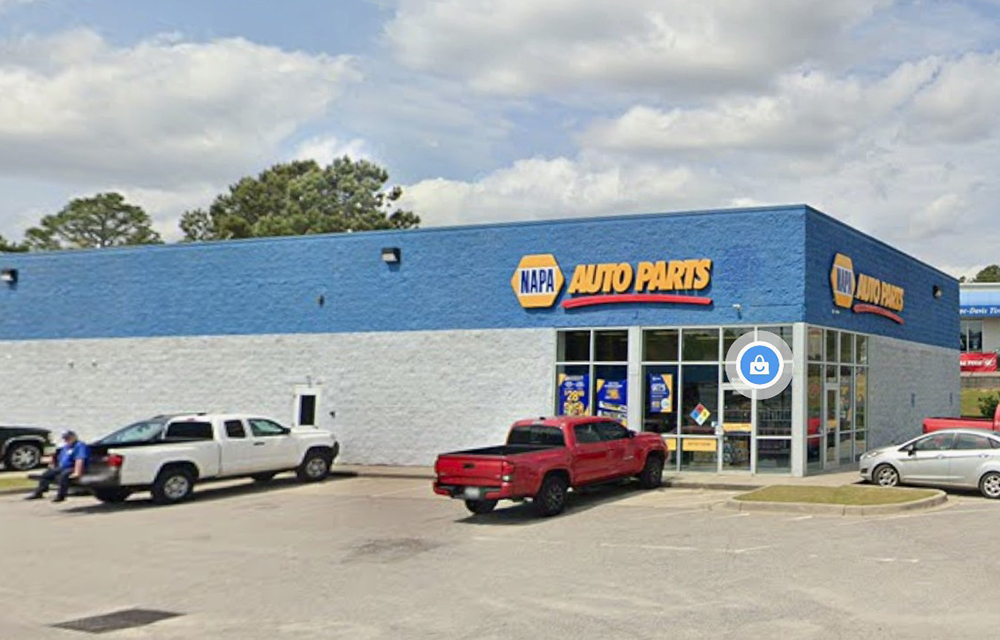
Marcus & Millichap brokers $15 million sale of multi-state NAPA Auto Parts portfolio
Palmetto, FL Marcus & Millichap brokered the sale of a nine-property NAPA Auto Parts portfolio for $15,025,104. The portfolio includes properties in Palmetto, FL.;




Quick Hits
 (2).gif)

Columns and Thought Leadership

A guide to finding the right NYC property management company - by Sanjay Gandhi
Being a small to midsize landlord in NYC is an increasingly demanding endeavor. From navigating complex regulations, increased compliance demands to dealing with tenant issues and remediating violations. It is wise to enlist the assistance of a partner, a professional

Positive forecast for New York’s pro-housing push? - by Philip Butler
New York’s housing crisis remains a hot button topic despite growing consensus that varied and affordable housing is desperately needed statewide. Governor Hochul has recently introduced several initiatives to overcome N.Y.’s anti-housing

New York’s streets are full again, and the retail numbers prove it - by Noam Aziz
Walk down any New York block this year and you can feel it. The sidewalks are crowded, the storefronts are lit, and the energy that defines this city is back at full volume.

Hunt commercial real estate question and answer: Fortune 500 wisdom - by David Hunt
Yes, there are lessons to be learned from the largest companies in America when comes to managing your real estate. But the decision to buy or lease real estate may not be one of
.gif)