


 (2).gif)
News:
Spotlight Content
Posted: January 27, 2014
Investments: Net-lease owners think green; Doing good for the environment might be good for business too
In today's real estate environment, owners and operators are always looking for ways to decrease costs inherent in most real estate and substantiate expenses for an ultimate investment strategy. This is consistent across all properties types, whether it is newly developed or re-purposed, distressed or just being maintained. Decreasing cost and improving property might as well be a difficult concept when it comes to net-leased property.
In the net-lease scenario, the landlord is not running the business, may not feel compelled to create an aesthetic building, is not looking to create ways improve the business of the tenant, and does not really have a say on what the tenant chooses to do or not - as long as the mandates of the lease document are adhered to.
In a net-lease, a landlord leases a building to a tenant, usually for a long period of time, and in addition to rent, the tenant agrees to pay all taxes, insurance, and maintenance costs, including electricity. Due to the long structured nature of these leases, there is usually little room for re-letting or raising rents. In addition, the long lease makes it difficult to repurpose the property and achieve higher rents.
One option available to landlords is to consider adding solar to their buildings. With the proper structure and affiliation with a creative and experienced solar company, additional revenue may be realized and the tenant may end up with lower expenses. Solar cells have become increasingly cheaper in recent years. That, in turn, has created a unique investment environment that provides an array of options to landlords.
In recent years, one major holdback for using solar has been the perceived high expense associated with installing and maintaining the solar panels themselves. However, now, because of the innovations in the industry and the potential investments, a crop of investment groups have surfaced that will purchase and install solar panels at no cost to the tenant or landlord. In addition, they will often provide the owner with a portion of the electric revenue or the tax credits associated with the building. This innovative concept certainly can peak an owners interest and could well evolve into a long-term relationship with the solar contracting companies as the owner embraces the philosophy that doing good could be profitable.
We at Iridium Capital are investigating how we can create a workable plan to our net-lease tenants by introducing a full program to the corporate guarantor of our properties. We are devising an innovative way to look at energy expenses and show that we, as their long-term landlord, will facilitate a plan that would not be disruptive to their business but ultimately will be a money-saving and environmental component of a good business plan. We are excited by the response from the corporate tenants. Additionally, we feel that our investors in our net-lease real estate fund will find this an innovative aspect of our management and ultimately another positive reason for investing with us.
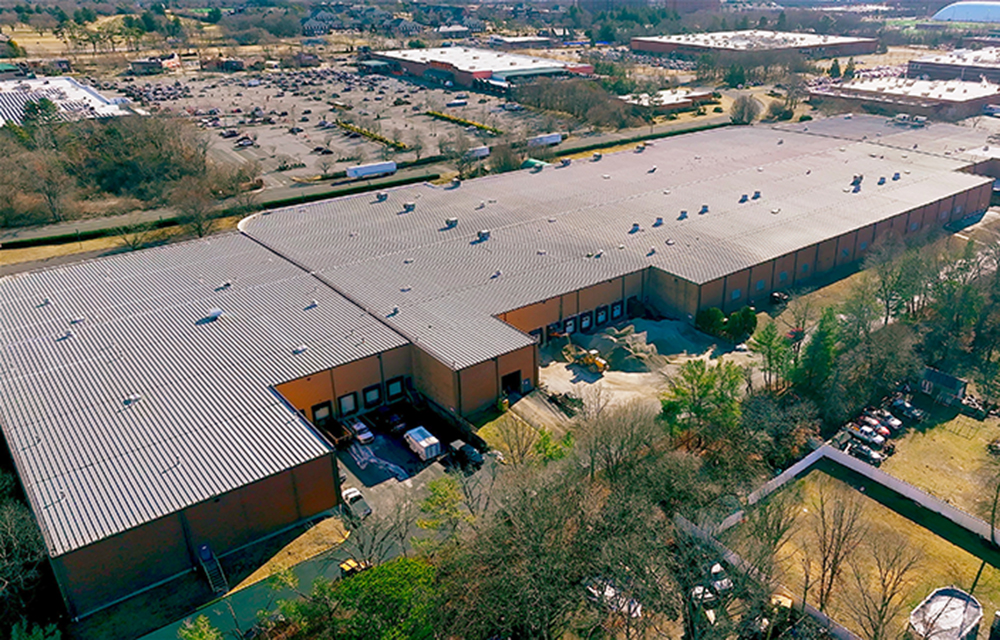
Depending on the type of building and the tenant use, some buildings will be able to derive nearly all of their daytime energy use from solar panels. The most common use of solar is on industrial buildings, which tend to have large flat roofs ideal for solar panel installation. Many of the single-tenanted medical facilities, like walk-in care centers, dialysis centers, small outpatient clinics, have physical structures conducive to an energy enhancement component. Between the progressive and business-minded landlord, the investment groups, the growing solar industry, and the cost-conscious tenant/business owner, there is a vast world of potential as ultimately people and businesses embrace the concept that doing good for the environment and our universe might be good for business too!
Marilyn Kane is president and Sean Shanahan is CFO at Iridium Capital Group, New York, N.Y.
Tags:
Spotlight Content
MORE FROM Spotlight Content

NYREJ's 2026 Developing Long Island Spotlight is here!
This spotlight showcases projects completed and currently under construction across Long Island as well as highlights improvements made to the region through Industrial and Economic Development Agencies and BIDs.


.png)



Columns and Thought Leadership

From vacancy to vitality: How adaptive reuse is reshaping Long Island’s CRE landscape - by Andrea Tsoukalas Curto
Adaptive reuse has become one of the most important conversations in commercial real estate today. Long Island has a large inventory of aging retail, office and industrial

2026 Developing Queens: Long Island Board of Realtors advances commercial growth and advocacy in Queens
The Long Island Board of Realtors (LIBOR) Commercial Network continues to play a key role in advancing opportunities and strengthening the commercial real estate landscape across Queens. Through targeted programming and global outreach

Properly serving a lien law Section 59 Demand - by Bret McCabe
Many attorneys operating within the construction space are familiar with the provisions of New York Lien Law, which allow for the discharge of a Mechanic’s Lien in the event the lienor does not commence an action to enforce following the service of a “Section 59 Demand”.

CRE Guide Featured Company: Merritt Environmental Consulting Corp.
Merritt Environmental Consulting Corp. (MECC) was established in June of 2009 after being part of a larger engineering firm for almost 20 years. The focus of the company is to assist lending institutions, attorneys, real estate investors, and property owners with environmental concerns. Today, MECC has offices in New York, Florida, and Vermont and has grown into a regional consulting firm serving clients along the East Coast.