



News:
Brokerage
Posted: April 16, 2019
Influx of technology firms drives outer borough growth - by Michael Weiser

GFI Realty Services
Amazon’s decision to open a second headquarters in Long Island City–and its subsequent reversal–highlighted a clear trend in New York City, wherein the entrance of technology firms to a neighborhood has a clear and positive impact on the subsection’s real estate.
GFI’s most recent research report, entitled The Tech Effect, tells of the ascendance of the technology, arts, media and information (TAMI) scene within several outer borough areas, particularly in Brooklyn, and details how the entrance of these firms has driven the real estate boom across many parts of Northern and Central Brooklyn.
According to the report, this movement began in 2012, when Kickstarter moved its headquarters from the Lower East Side to Greenpoint, positioning its office in proximity to 75% of its workforce. Over the next seven years, many Manhattan-based TAMI companies followed Kickstarter’s example and moved to the outer boroughs, while a host of other startups–like Etsy and Bulletin–were founded in vibrant Brooklyn neighborhoods like DUMBO and Williamsburg. When business owners began to see the value of locating their companies near their employees’ homes, this began to influence real estate investment and development decisions.
“It’s hard to overstate the importance of the ‘tech effect’ in making the outer boroughs what they are today,” said Justin Fitzsimmons, research analyst at GFI. “Once TAMI companies began to move to Brooklyn, the surrounding areas’ already-robust residential markets truly took off, as new residents were attracted to the new jobs being created and the neighborhood amenities and culture that tech firms foster. As a result, many Brooklyn neighborhoods inadvertently became live-work-play environments, a model that further reinforced investors’ confidence in them.”
Some of the specific neighborhoods that personify this shift include:
- Greenpoint, which is now home to companies including Kickstarter, Greenpoint Pictures and Atlas Obscura, and has seen a robust development pipeline bringing thousands of new apartments to the neighborhood;
- Williamsburg, which houses startups including Vice Media and Bulletin; Williamsburg boasts some of the highest retail rents in Brooklyn and a strong pipeline of commercial and residential properties; and
- DUMBO, likely the greatest incubator in Brooklyn, has produced tech companies including Big Spaceship, Blankslate and Etsy; the neighborhood’s growing prestige has driven significant commercial and residential development, much of which features eclectic, attractive design and lifestyle amenities.
Perhaps the most noteworthy example of the ties between tech firms and real estate took place in Long Island City, where Amazon intended to create a headquarters complex housing 25,000 jobs. Immediately after Amazon’s announcement, housing prices climbed in the already-vibrant neighborhood, and real estate investors began to react to the area’s impending growth. While the tech giant ultimately reversed its decision to create a Long Island City outpost, the immediate effects that the initial announcement had on the market provide a strong case study of the positive real estate impact of TAMI firms.
“While Long Island City will undoubtedly hurt from the loss of Amazon, the company’s initial decision to move to the neighborhood speaks volumes to the great strides Long Island City has already made,” said Fitzsimmons. “Like DUMBO, Williamsburg and other Brooklyn locales, Long Island City has become increasingly attractive to both TAMI firms and real estate investors who are eager to tap into the live-work-play environments these neighborhoods afford.”
To download The Tech Effect, visit http://gficap.com/wp-content/uploads/2019/03/Q1-19-Market-Report-Final.pdf.
Michael Weiser is the president of GFI Realty Services, New York, N.Y.
Tags:
Brokerage
MORE FROM Brokerage
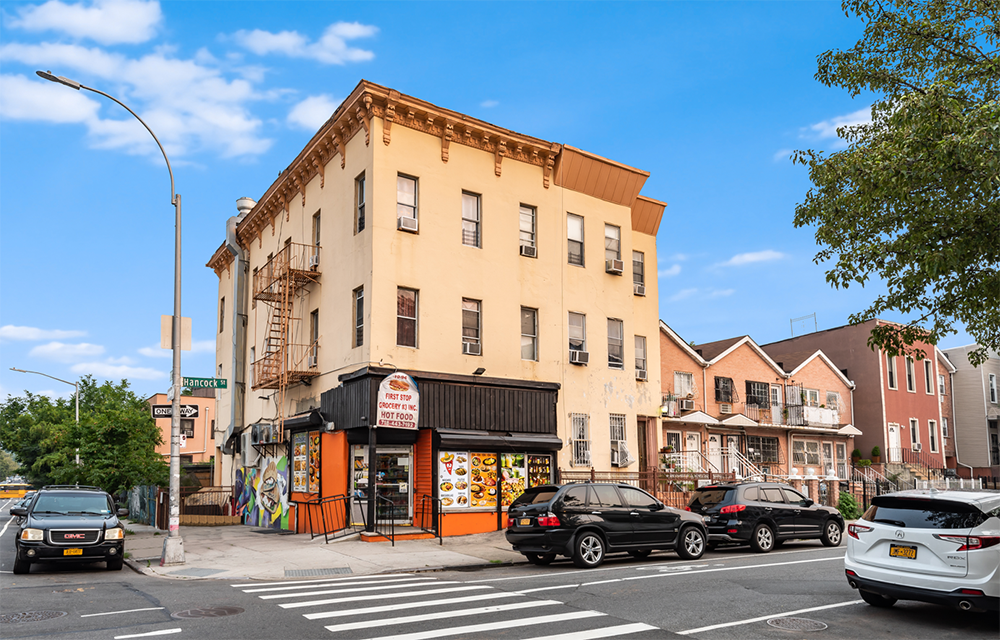
Investment Property Realty Group closes $1.75 million sale of 1094 Hancock Street in Brooklyn
Brooklyn, NY Investment Property Realty Group (IPRG), a New York-based commercial investment firm, has closed the sale of 1094 Hancock St., a mixed-use building in the Bushwick section, for $1.75 million.



Columns and Thought Leadership

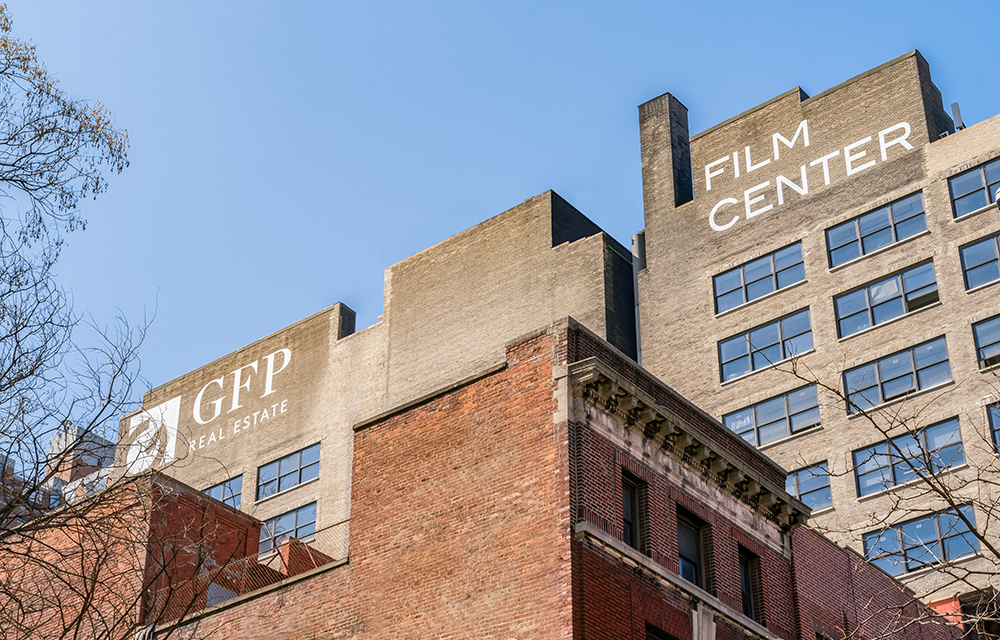
A guide to finding the right NYC property management company - by Sanjay Gandhi
Being a small to midsize landlord in NYC is an increasingly demanding endeavor. From navigating complex regulations, increased compliance demands to dealing with tenant issues and remediating violations. It is wise to enlist the assistance of a partner, a professional

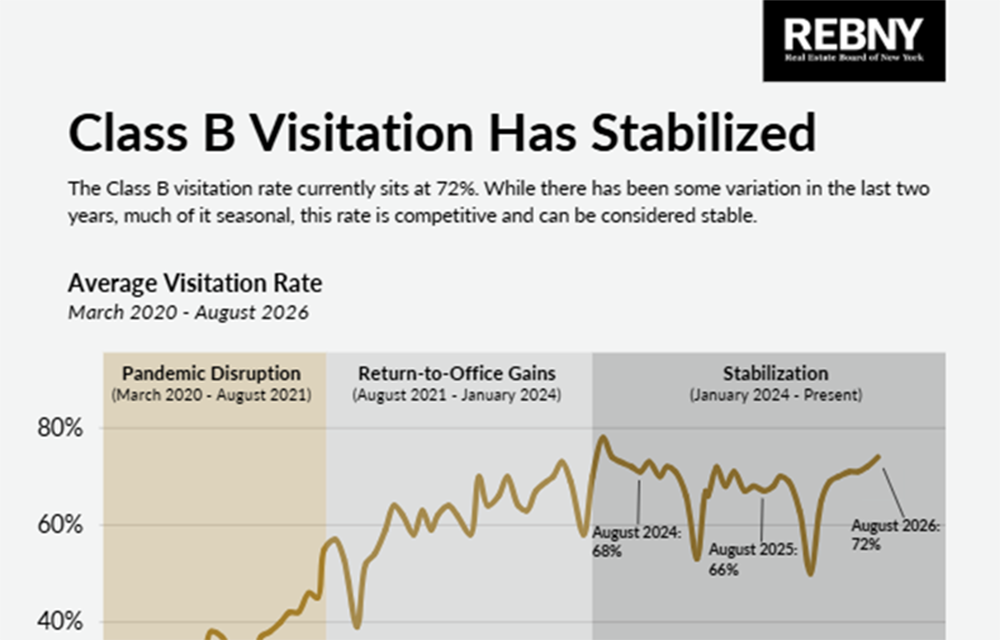
New York’s streets are full again, and the retail numbers prove it - by Noam Aziz
Walk down any New York block this year and you can feel it. The sidewalks are crowded, the storefronts are lit, and the energy that defines this city is back at full volume.

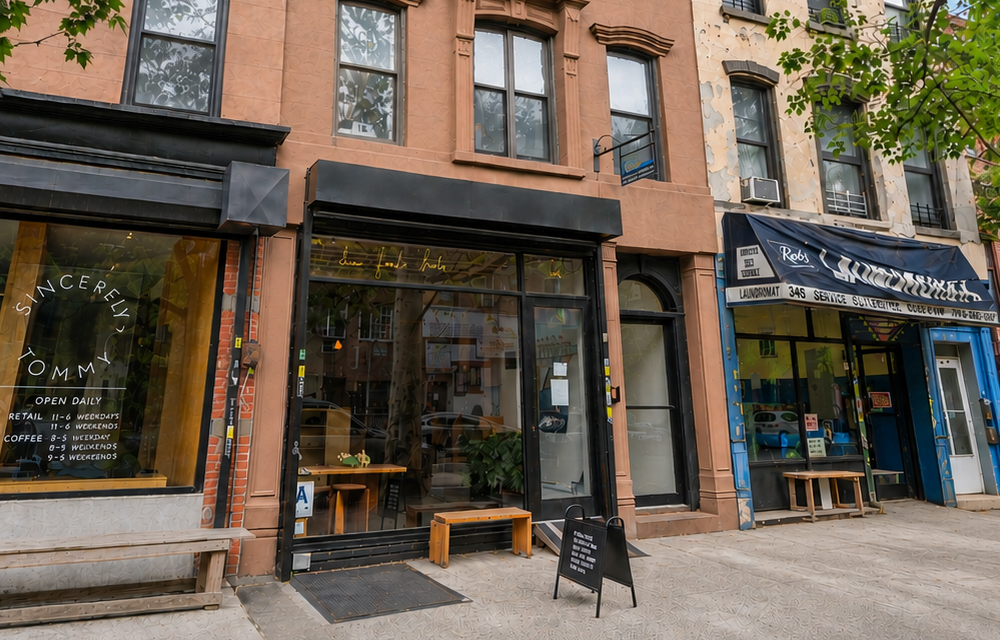
Hunt CRE question and answer: Choosing a real estate agent - by David Hunt
First, we will only work with one agent exclusively. The primary reason is that we want that agent to legally represent our client’s interests. In New York State, a real estate agent has a fiduciary

Hunt commercial real estate question and answer: Fortune 500 wisdom - by David Hunt
Yes, there are lessons to be learned from the largest companies in America when comes to managing your real estate. But the decision to buy or lease real estate may not be one of
.gif)