



News:
Brokerage
Posted: February 29, 2008
Swapping properties: Helping clients succeed in the market
Part 2 continued from the February 26th 1031/TIC Spotlight edition of the New York Real Estate Journal.
3. Deeply discounted property. Another good idea is to contact agents or brokers to search for properties that have been on the market for an extended period of time, and that have been discounted multiple times in order to sell the property. The sellers of these properties usually will make significant concessions in order to move their properties. Inspect the property since sometimes deep discounts exist for a reason. Exchanging your highly appreciated property for deeply discounted property adds a big margin of safety in a market downturn.
4. Properties in other states. Lastly, if the property is located in Fla., Arizona, Las Vegas, Washington, D.C. or other high-flying markets, the client might consider exchanging into properties located in areas where growth has been steady and modest. These areas will not have seen such dramatic gains, and thus are less likely to suffer losses in a market downturn. The goal is to own properties in stable and predictable markets when real estate values are slipping. Using a 1031 exchange can also allow clients to "tax shop," and buy properties in markets that have low state income or real estate taxes. This can also keep costs manageable in a down market.
Security of Funds with 1031s
How does an investment property owner determine if his or her funds will truly be secure during a 1031 exchange? Currently, there are a few popular methods used by QIs to assure complete security. Each has advantages and drawbacks.
1. Segregated accounts. The first level of so-called protection is the establishment of segregated accounts. Instead of co-mingling exchange funds held by the QI, some QIs "segregate" client funds in separate bank accounts. Touted as the ultimate protection, security of funds in segregated accounts is an illusion. Regardless of FDIC protection, segregated accounts do not receive any protection from QI failure, dishonesty or bankruptcy. If a QI files for bankruptcy, each deposit holder in the midst of 1031 exchanges with that QI is classified as an "unsecured creditor" under the U.S. Bankruptcy Code. That is the very bottom rung of priority on the ladder of payouts from the Bankruptcy Trustee. In cases of bankruptcy, unsecured creditors typically receive pennies on the dollar of lost sale proceeds. Indeed, one QI that recently filed for bankruptcy had "segregated" accounts that did not preserve the investment property sale proceeds after the bankruptcy filing.
Part 3 to be continued from the March 11th edition of the New York Real Estate Journal.
Robert Pingeton is a northeastern region business development consultant and Stephen Wayner, Esq., C.E.S., is the first VP of Bayview 1031, Coral Gables, Fla.
Tags:
Brokerage
MORE FROM Brokerage
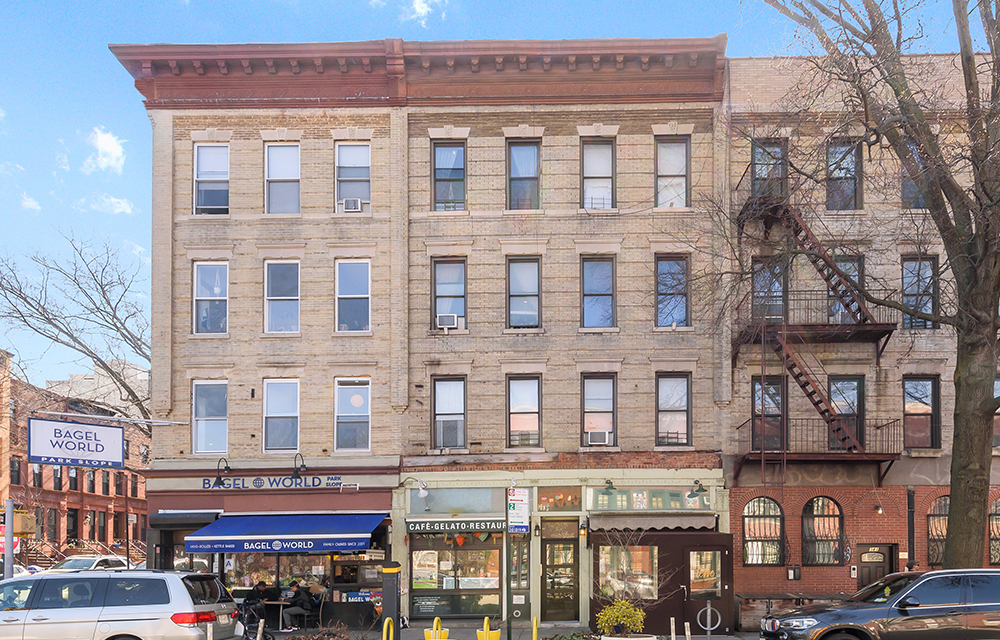
Investment Property Realty Group brokers $2.81 million sale of 341 5th Ave. in Park Slope
Brooklyn, NY Investment Property Realty Group (IPRG) closed the sale of 341 5th Ave., a mixed-use building located in Park Slope for $2.81 million. The transaction was negotiated by Derek Bestreich, Luke Sproviero,




Quick Hits
 (2).gif)

Columns and Thought Leadership

New York’s streets are full again, and the retail numbers prove it - by Noam Aziz
Walk down any New York block this year and you can feel it. The sidewalks are crowded, the storefronts are lit, and the energy that defines this city is back at full volume.

A guide to finding the right NYC property management company - by Sanjay Gandhi
Being a small to midsize landlord in NYC is an increasingly demanding endeavor. From navigating complex regulations, increased compliance demands to dealing with tenant issues and remediating violations. It is wise to enlist the assistance of a partner, a professional

Hunt commercial real estate question and answer: Fortune 500 wisdom - by David Hunt
Yes, there are lessons to be learned from the largest companies in America when comes to managing your real estate. But the decision to buy or lease real estate may not be one of

Positive forecast for New York’s pro-housing push? - by Philip Butler
New York’s housing crisis remains a hot button topic despite growing consensus that varied and affordable housing is desperately needed statewide. Governor Hochul has recently introduced several initiatives to overcome N.Y.’s anti-housing
.gif)