Certilman Balin




East Meadow, NY According to Certilman Balin, Allan Hyman and Howard Stein have been named to the 2018 New York Metro Super Lawyers List.
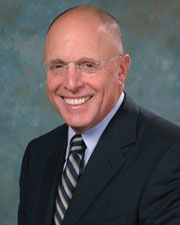
Hyman, senior partner at Certilman Balin who practices in the firm’s litigation, real estate tax certiorari, and condemnation law departments, has been named to the list consecutively since 2014. Hyman focuses on representing both claimants and condemnors in eminent domain proceedings throughout the state of New York and other jurisdictions. Throughout his professional career of 50 years, he has obtained millions of dollars of tax refunds and savings for clients.
Active in his professional communities, Hyman serves on governor Cuomo’s Judicial Screening Committee for the Second Department and is responsible for the screening of applicants for judicial appointments to all courts including the Appellate Division in the Second Judicial Department. He is also active in civic affairs and serves as a member of the Board of Trustees of Northwell Health. Hyman is a member of the New York State Bar Association, the Nassau County Bar Association, and serves on the Tax Certiorari and Condemnation law, Supreme Court, and Commercial Litigation committees of the Nassau County Bar Association.
Hyman earned his bachelor’s degree from Syracuse University, and his Juris Doctor from St. John’s University Law School. He is admitted to practice in New York State and before the United States District Courts for the Eastern and Southern Districts of New York, the Circuit Court of Appeals, Second Circuit, and the United States Supreme Court.
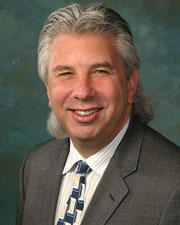
Stein, managing partner of the Real Estate Practice Group at Certilman Balin, concentrates on matters related to real property acquisitions, development, sales, leasing, real estate finance and loan workouts. He represents a wide range of clients from closely held businesses to public companies in structuring complicated transactions for retail, industrial, office, hotel and residential developments.
He is a 1975 graduate of the University of Rochester, where he now serves as a member of their George Eastman Circle. Stein earned his law degree from Case Western Reserve University in 1978 and is admitted to practice in the State of New York, the U.S District Court and Eastern District of New York.



 (2).gif)





.gif)